A living בית אוצר.
Read the story in depth.
The Rebbe’s Torah, the path of the earlier Rebbes, the Shendishover world in Galicia and America, its sacred places, and the continuing life of the court today.
Torah, memory, place, and a living court.
These articles bring generations, people, and places into one living account, with books, photographs, and documents placed where they illuminate the story.
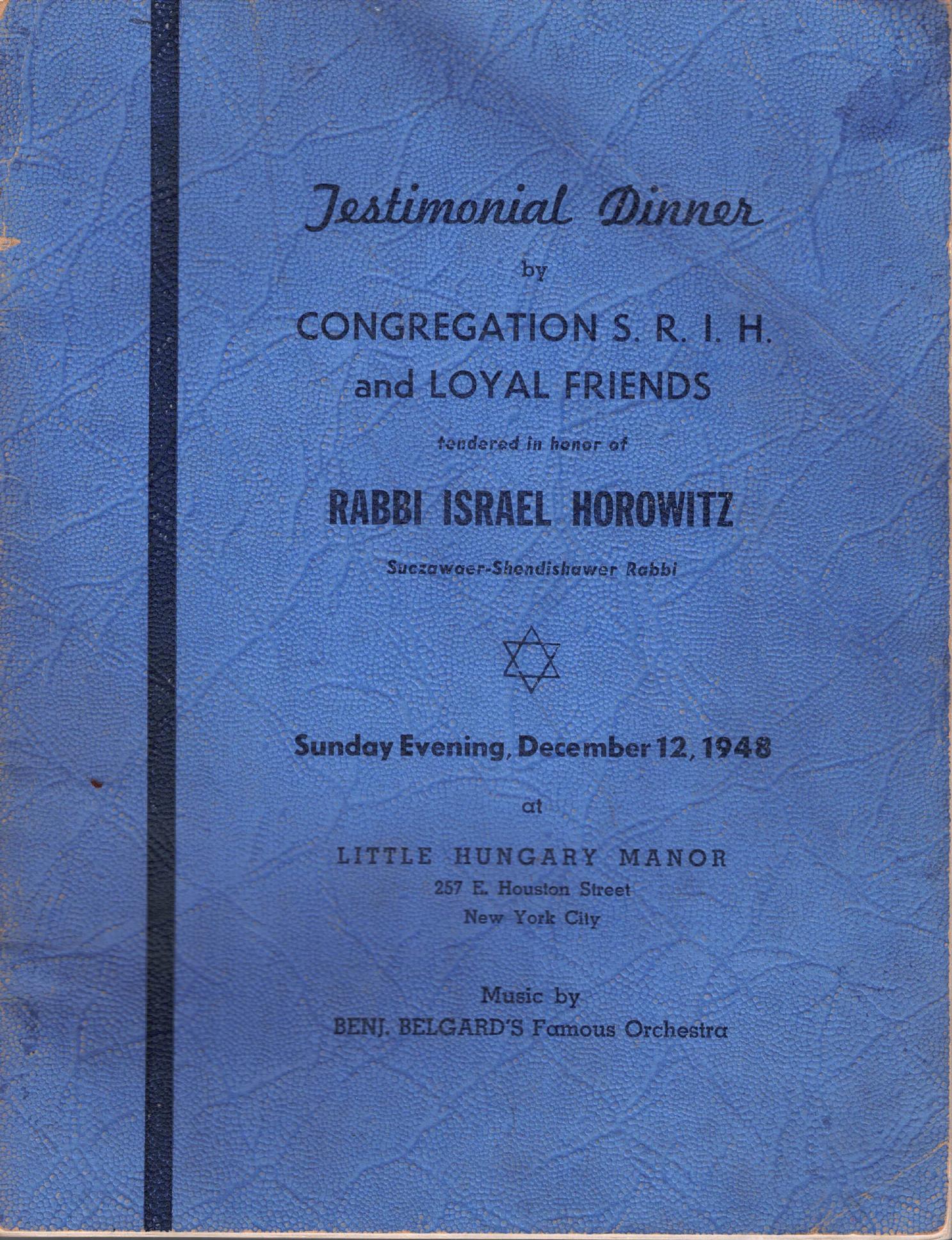
The congregation that gathered around Rabbi Yisroel Dovid
On Sunday evening, December 12, 1948, the Shendishover congregation and its friends gathered on the Lower East Side to honor their Rebbe, Rabbi Yisroel Dovid Horowitz—and to strengthen the sacred work that had grown around his home and beis medrash.
Read the full article →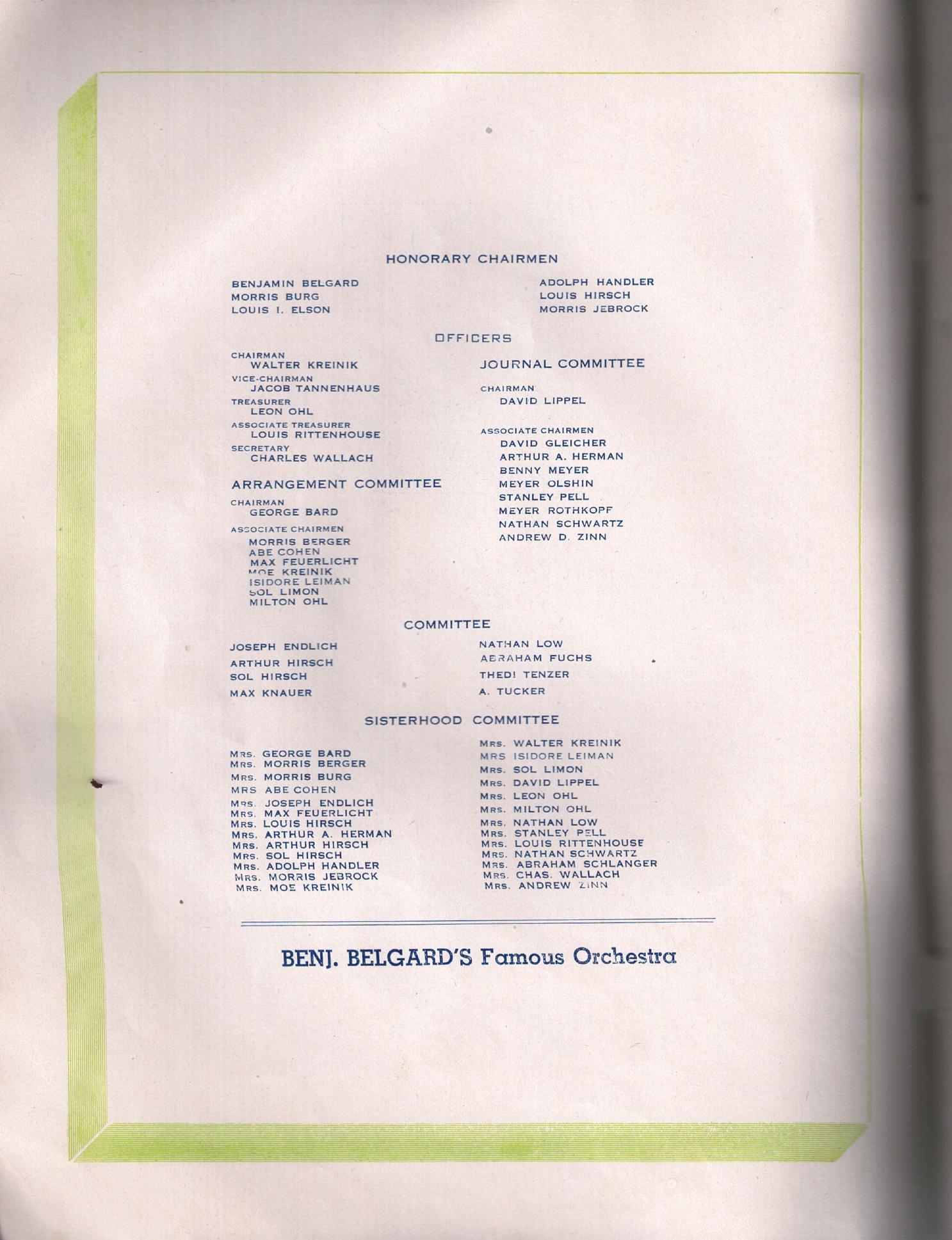
The people behind the 1948 Shendishover dinner
Behind the 1948 testimonial dinner stood a broad circle of officers, organizers, hosts, and loyal friends. Their names open a window onto the people who sustained the Shendishover court in New York.
Read the full article →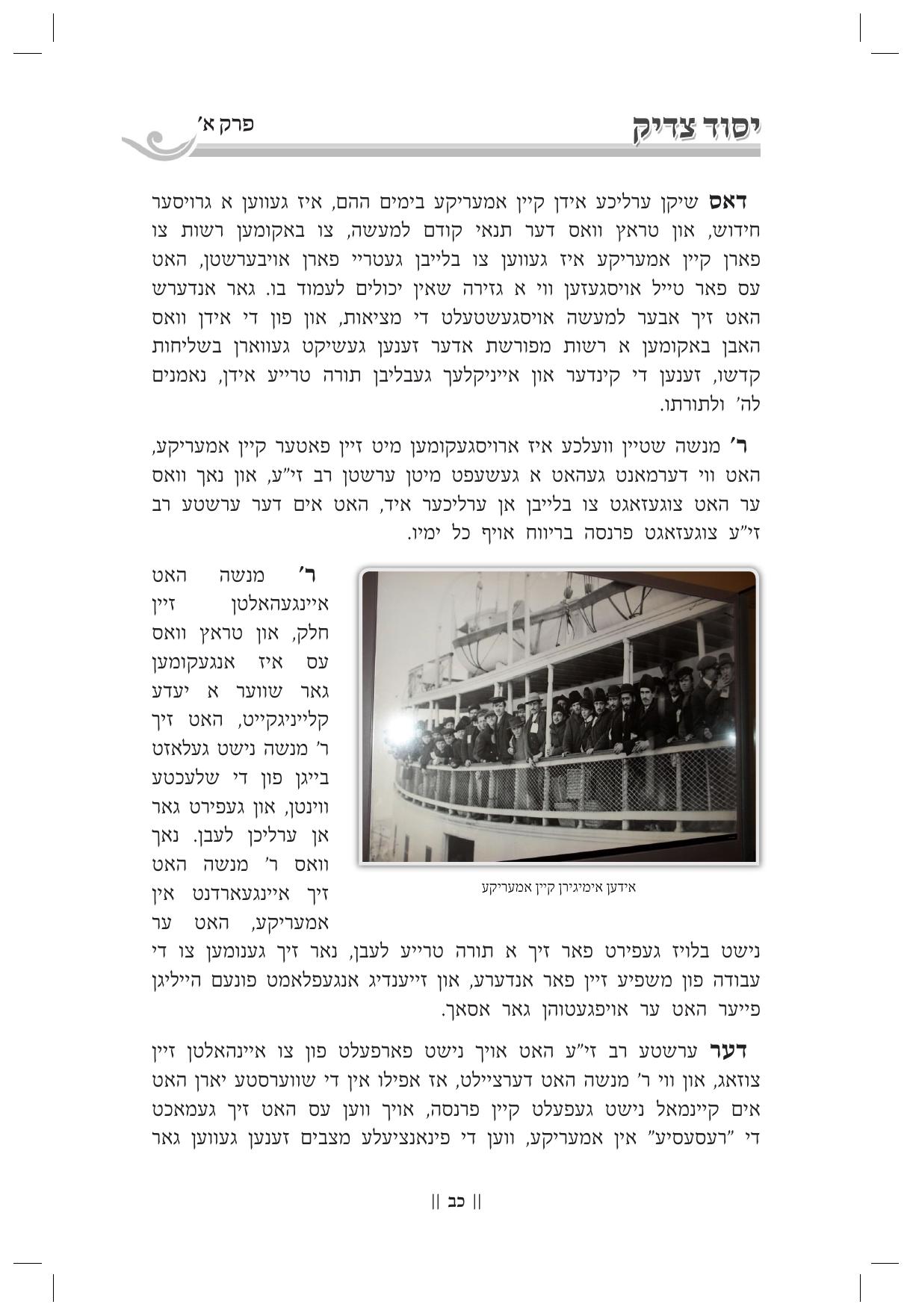
Across the ocean with an inherited responsibility
When Jews left Shendishov and neighboring Galician towns for America, they crossed more than an ocean. They entered a country where earning a livelihood often threatened Shabbos, chinuch, and the entire religious shape of family life.
Read the full article →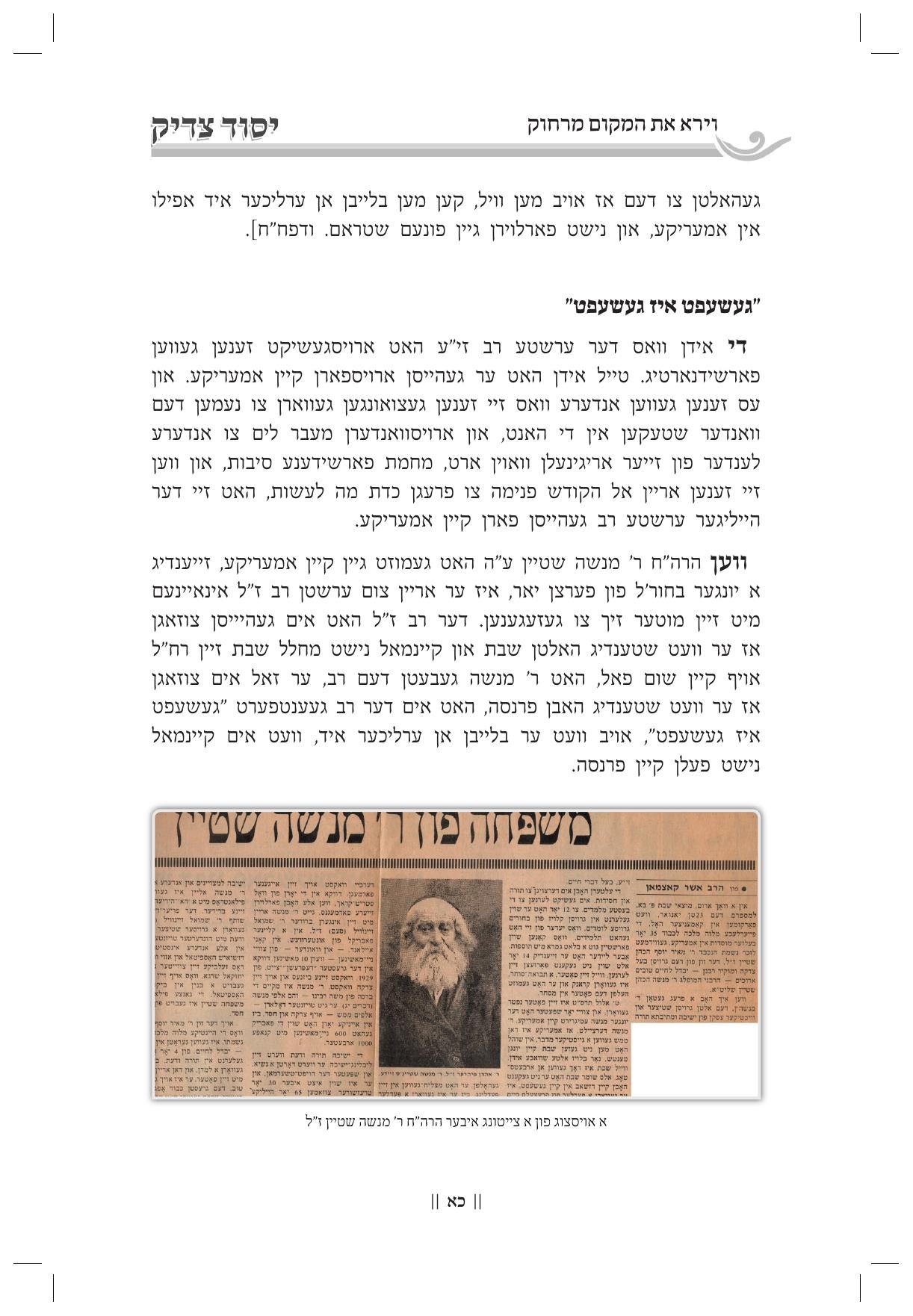
When the Rebbe’s arrival became public news
In January 1923, the Yiddish press announced that the Shendishover Rebbe had reached America. For Galician Jews in New York, Rabbi Tuvia’s arrival brought a living figure from the world they had left behind.
Read the full article →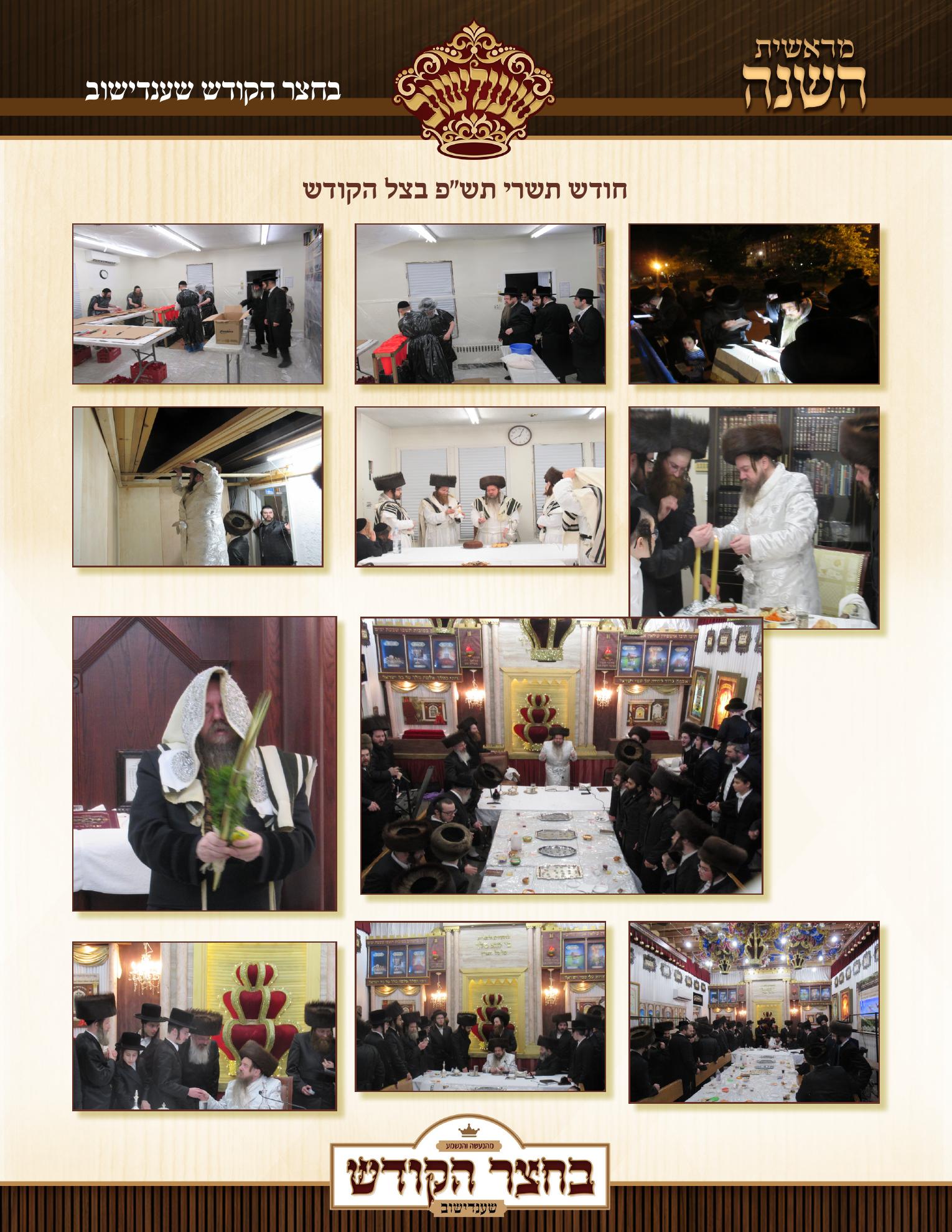
A family simchah that became a communal occasion
In Kislev 5780, the marriage of the Rebbe’s son brought the Shendishover family, rabbanim, Rebbes, אנשי שלומינו, and friends together for days of celebration—from the aufruf through the chuppah and wedding in Monsey.
Read the full article →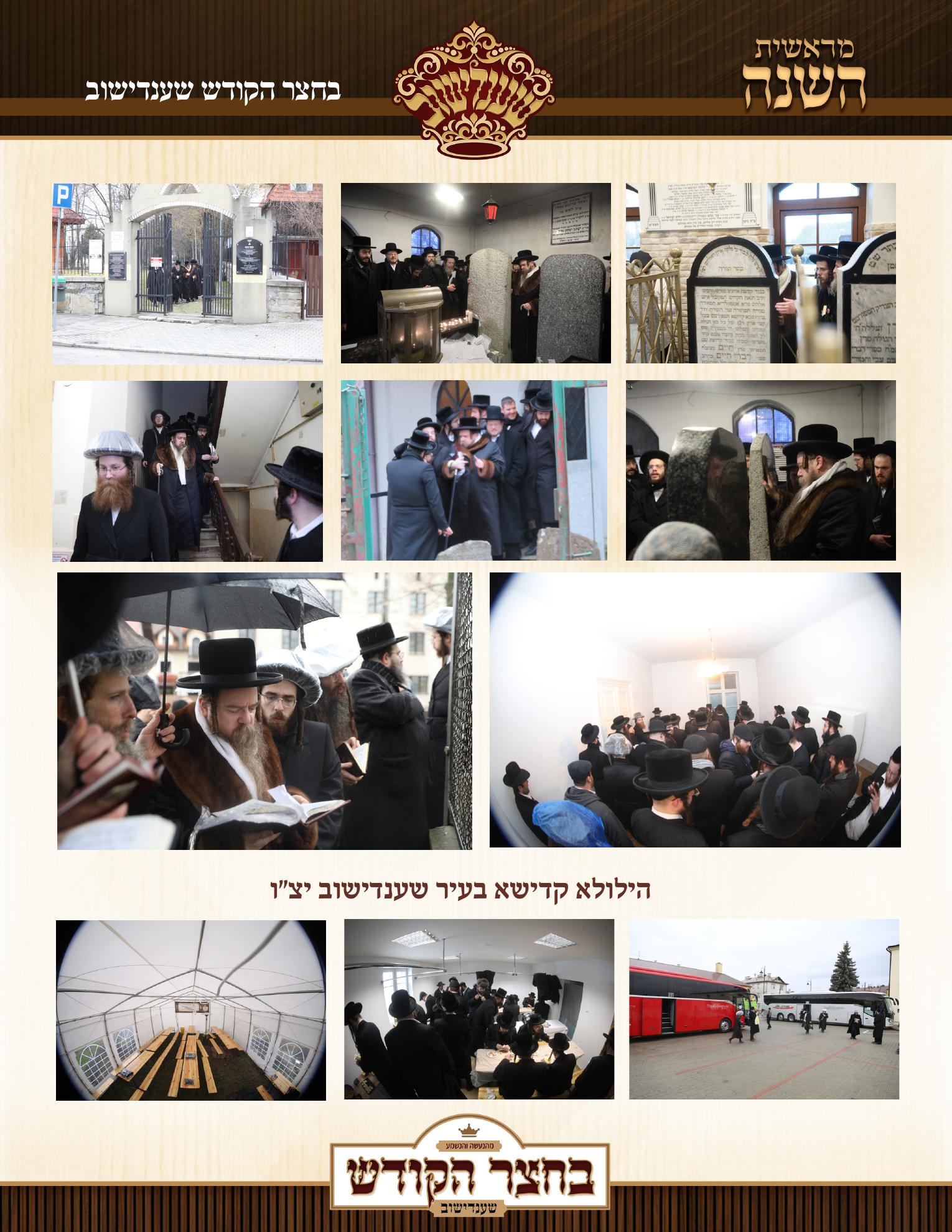
The hillula returns the present court to Shendishov
On the yahrzeit of Rabbi Avraham Horowitz, the first Shendishover Rebbe, the present Rebbe and a ציבור of descendants and אנשי שלומינו returned to the town from which the dynasty took its name.
Read the full article →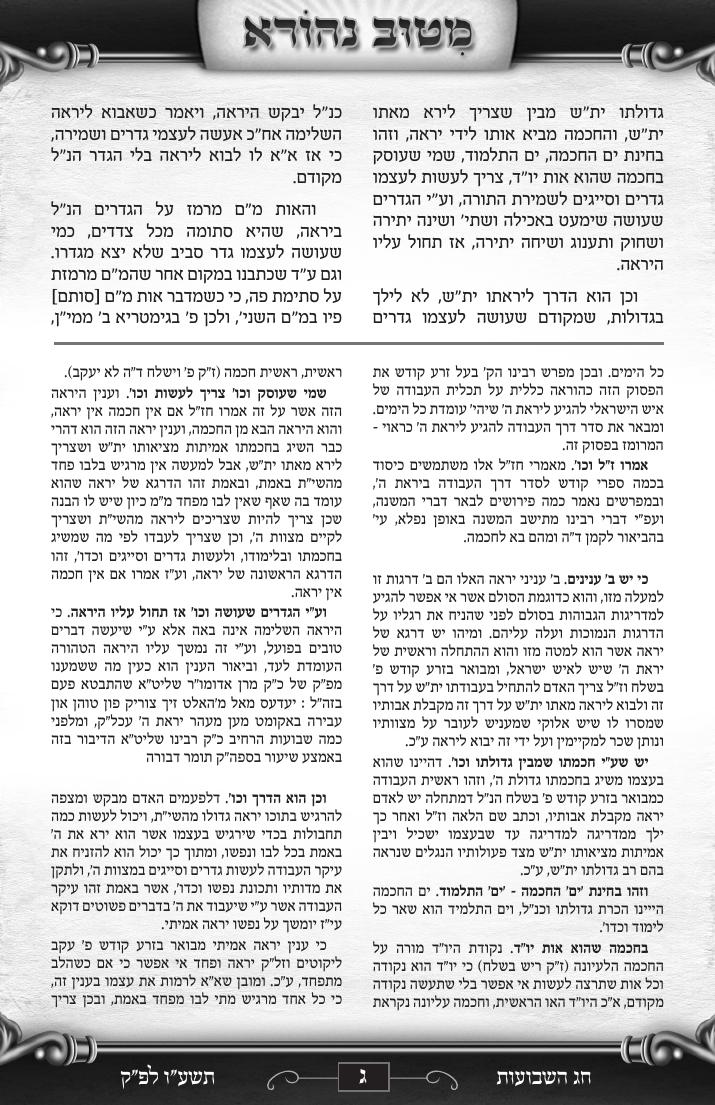
Torah that enters the conduct of life
Across the Shendishov publications, the Rebbe’s Torah is presented as a derech in avodas Hashem: thought must become tefillah, conduct, responsibility, and deed.
Read the full article →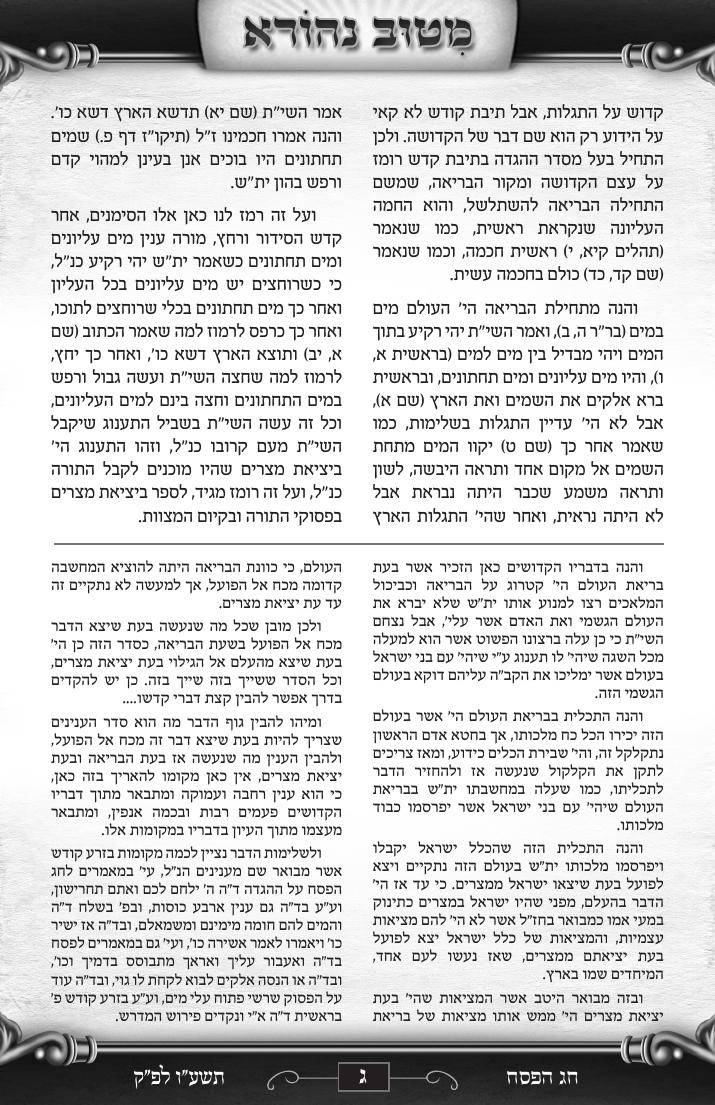
Preparation is itself part of the avodah
The first Matov Nehora Pesach issue opens with a Shendishover tradition about the severity of chametz and the dignity with which a mitzvah must be approached.
Read the full article →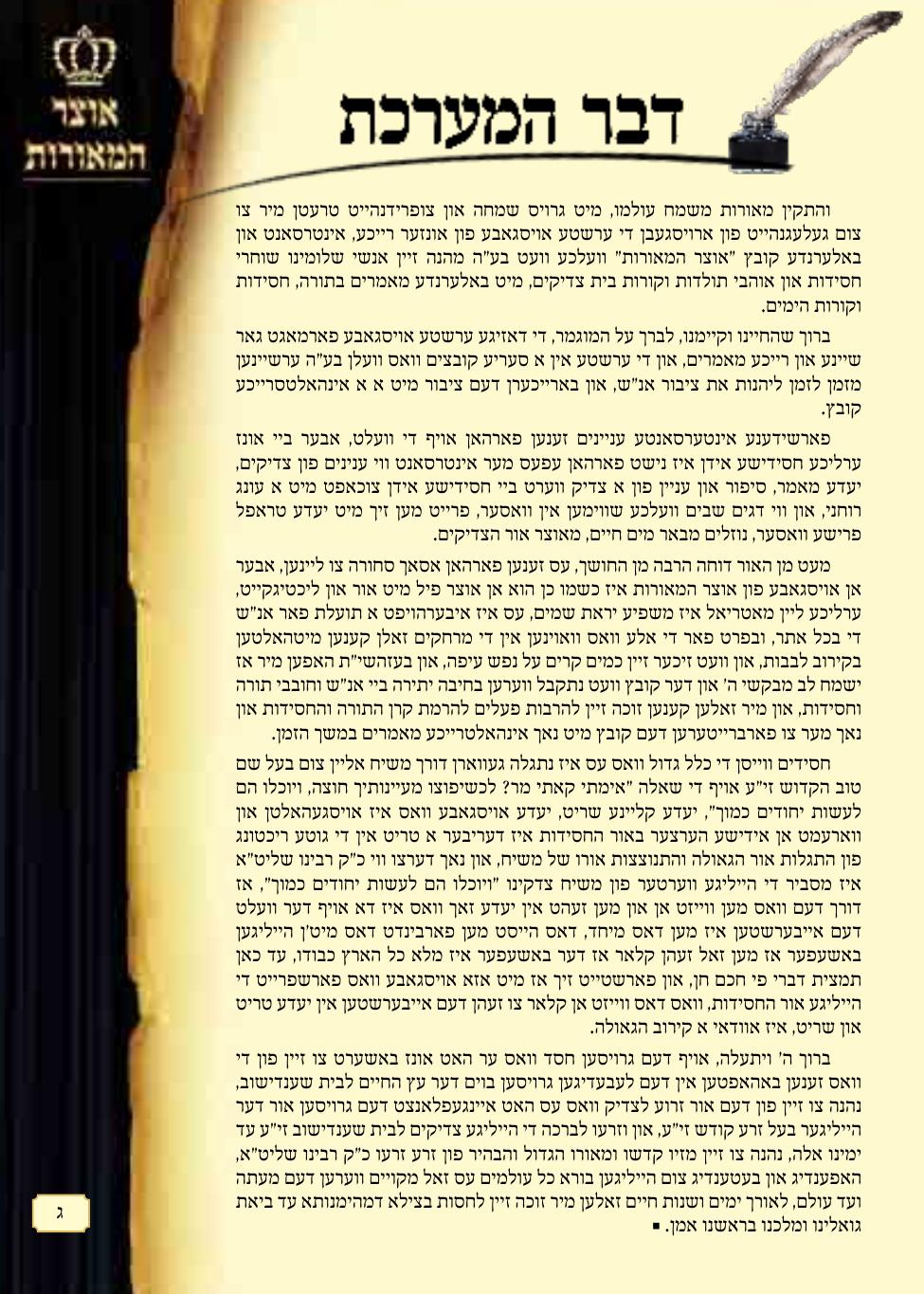
A house made holy through אהבת חברים
A published address of Rabbi Yisroel Dovid Horowitz from the 1930s places the beis medrash, friendship, and the presence of Hashem inside one shared idea.
Read the full article →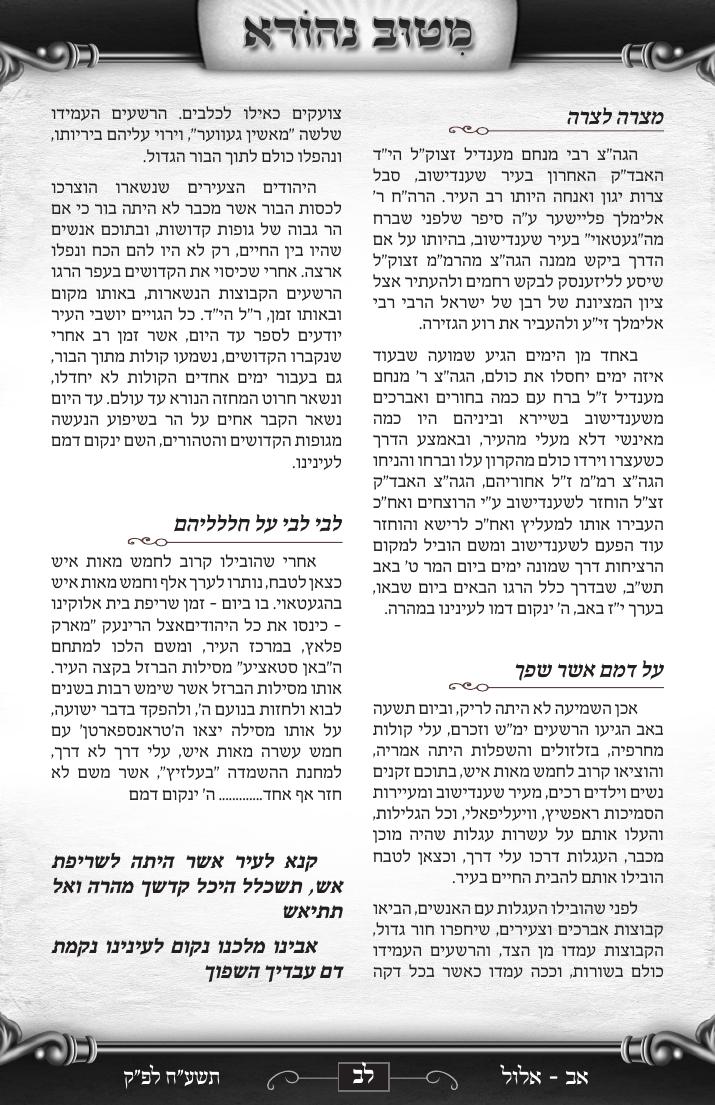
The last rav and the destruction of Jewish Shendishov
The Av–Elul 5778 issue preserves testimony about the final days of the ghetto, the murder at the cemetery, and the deportation of those who remained.
Read the full article →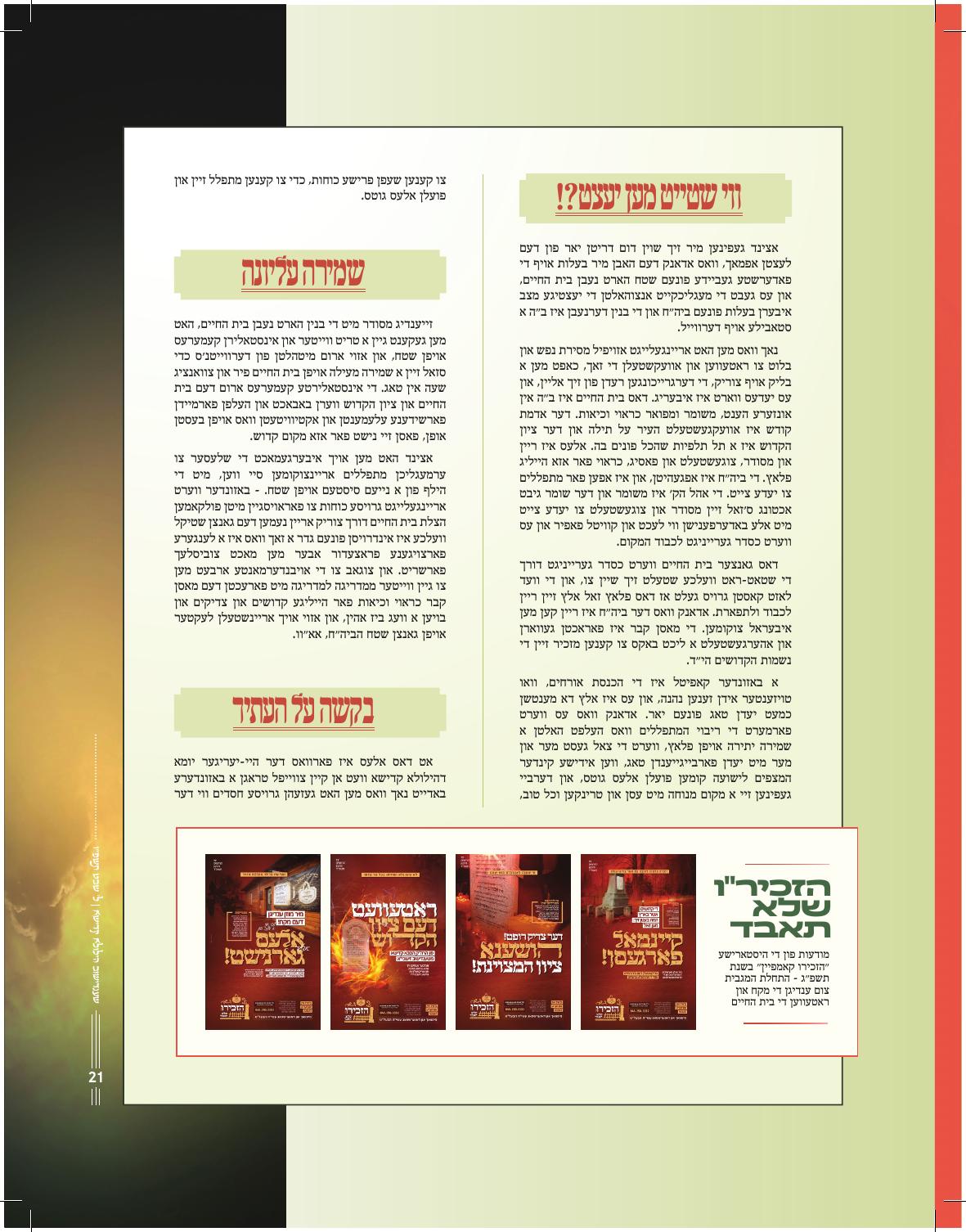
From danger to a guarded מקום קדוש
The 5786 publication documents the recent rescue and rebuilding of the Shendishov cemetery, ohel, mass-grave memorial, access, and hachnosas orchim.
Read the full article →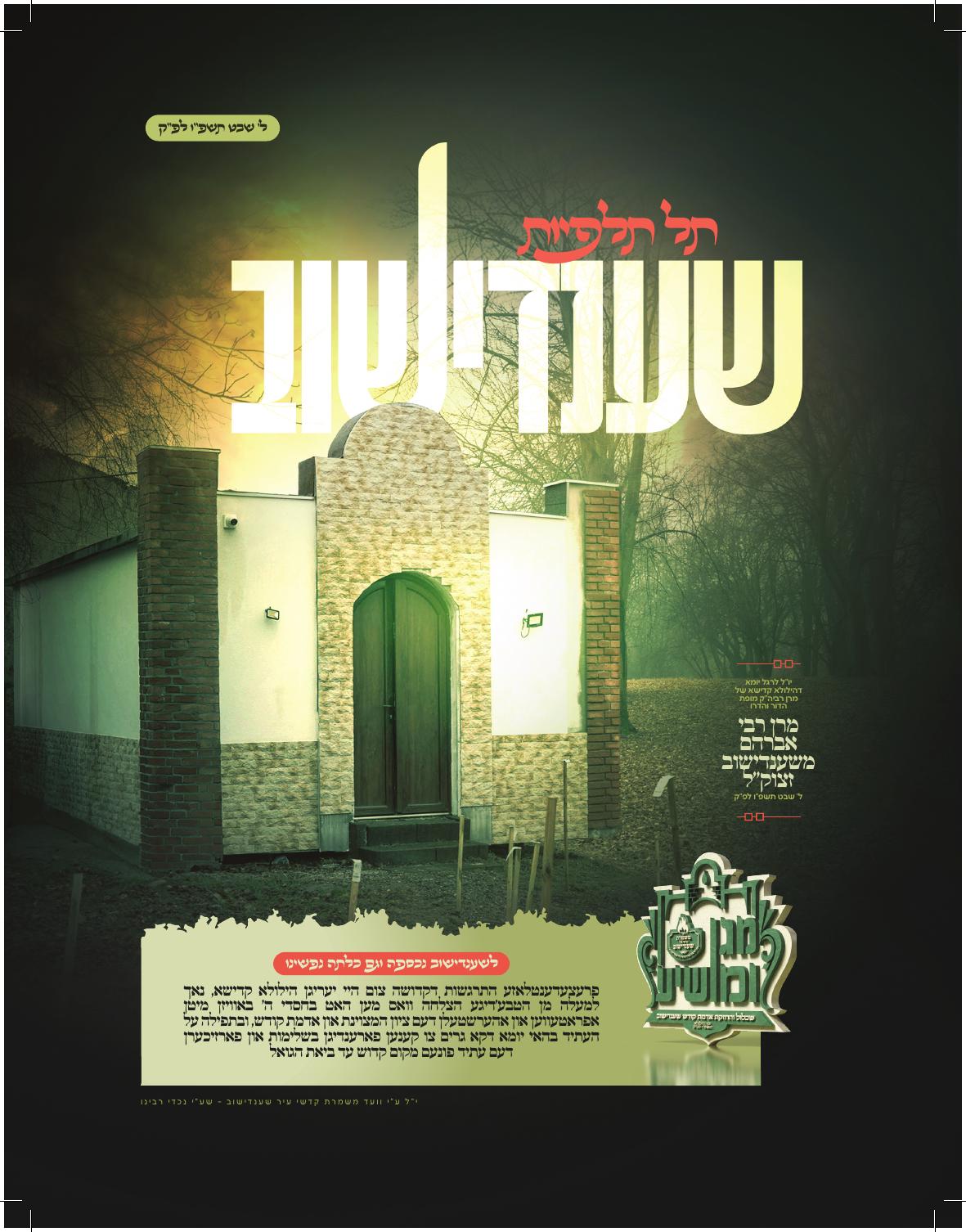
How scattered memory became a treasury
Tovim Me’orot, P’ninei Or, Otzar HaMoros, Matov Nehora, Yisod Tzaddik, and Pnei Chaim form one developing work of rescue, learning, and transmission.
Read the full article →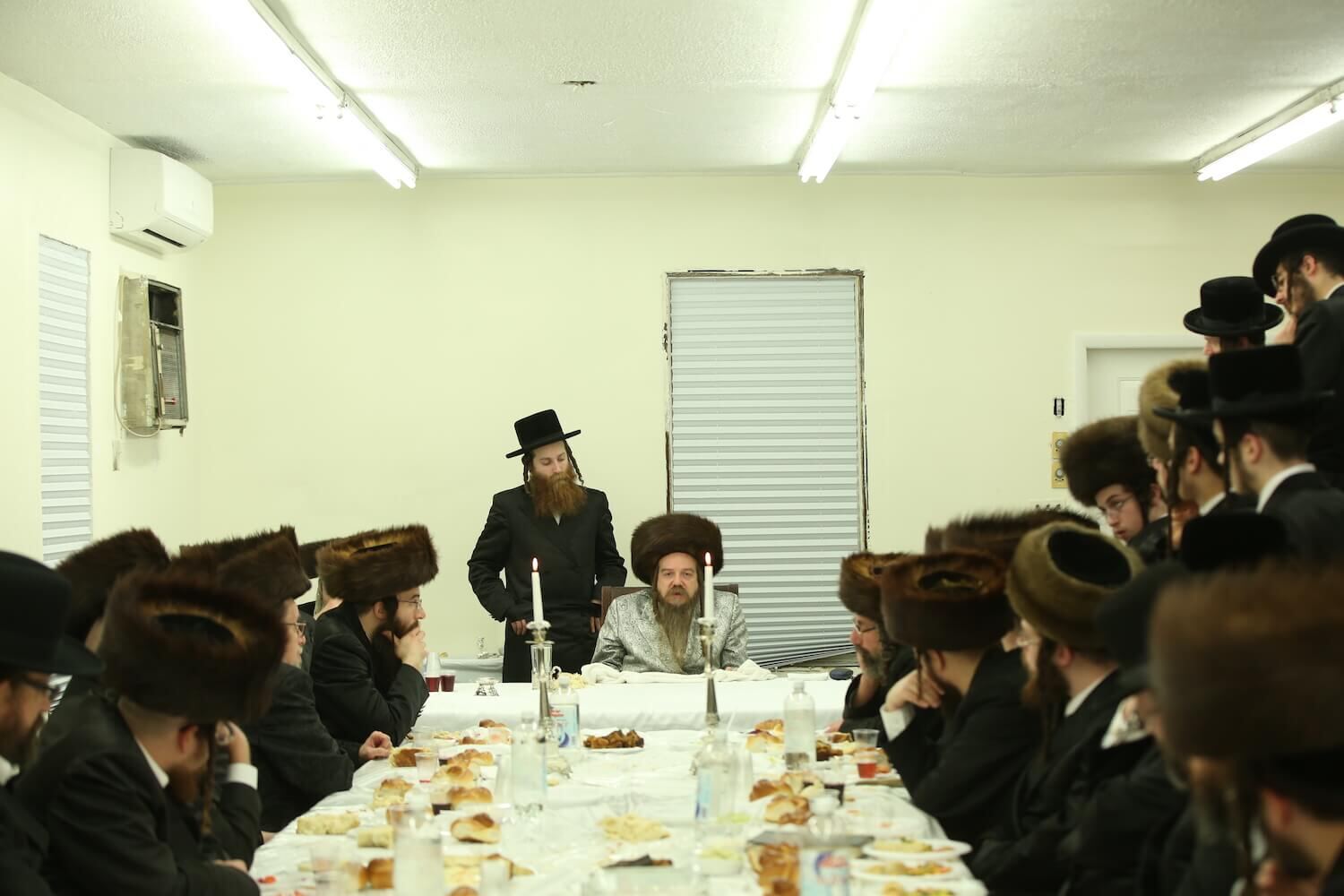
A year lived in the presence of the Rebbe
Tefillah, tishen, Torah, simchos, journeys, niggunim, publications, and personal connection form one recurring rhythm around the Rebbe.
Read the full article →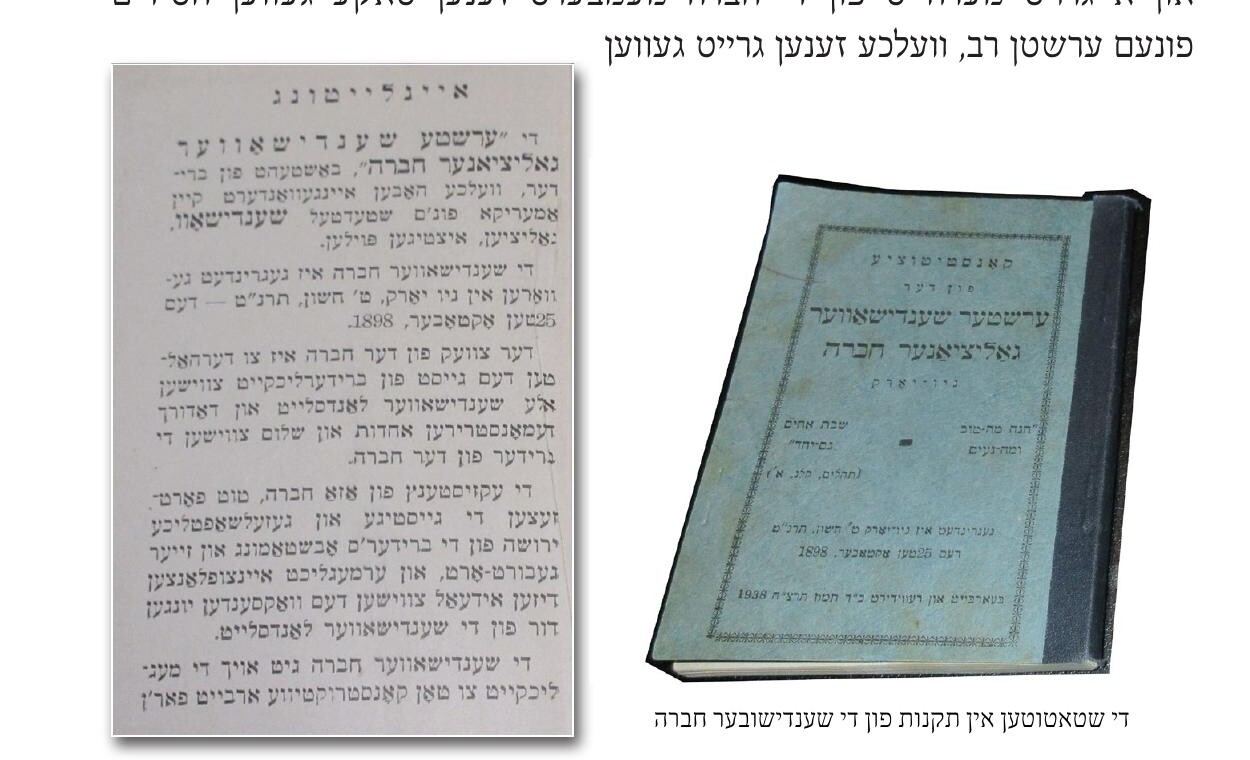
The ציבור that awaited Rabbi Tuvia in America
Long before Rabbi Tuvia Horowitz first reached New York, Jews from Shendishov, Ropshitz, Rzeszów, Wielopole, and neighboring Galician towns had already settled in America. Yisod Tzaddik preserves the decisive fact: among them were men and families personally attached to Rabbi Tuvia—מהר״ט משענדישוב—and others whose attachment reached back to Rabbi Avraham, the first Shendishover Rebbe.
Read the full article →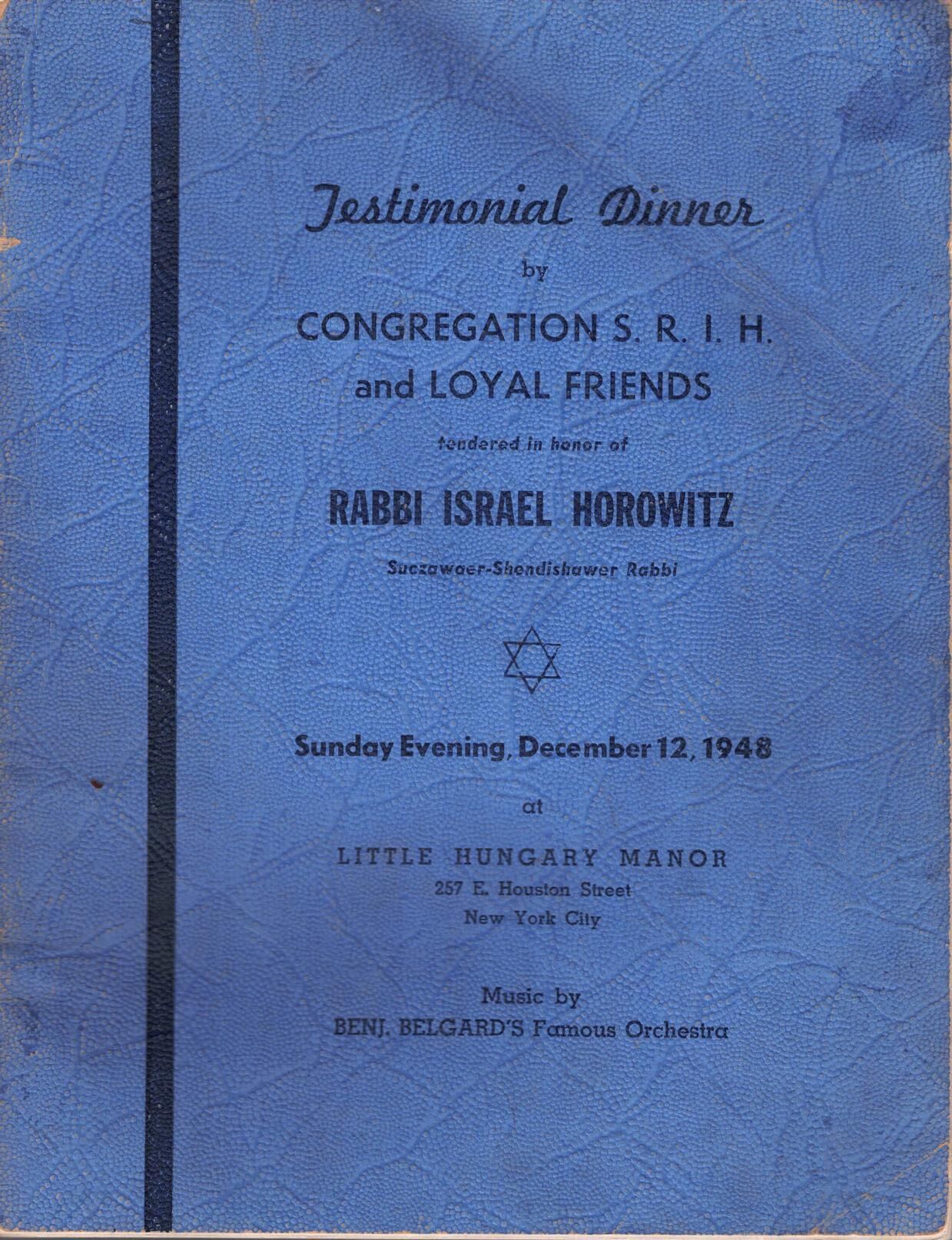
The American chapter in contemporary records
Long before the destruction of European Jewish life, Shendishov had already crossed the ocean. From Rabbi Tuvia’s journeys grew a recognizable Chassidic ציבור, and under Rabbi Yisroel Dovid it found an enduring home in New York.
Read the full article →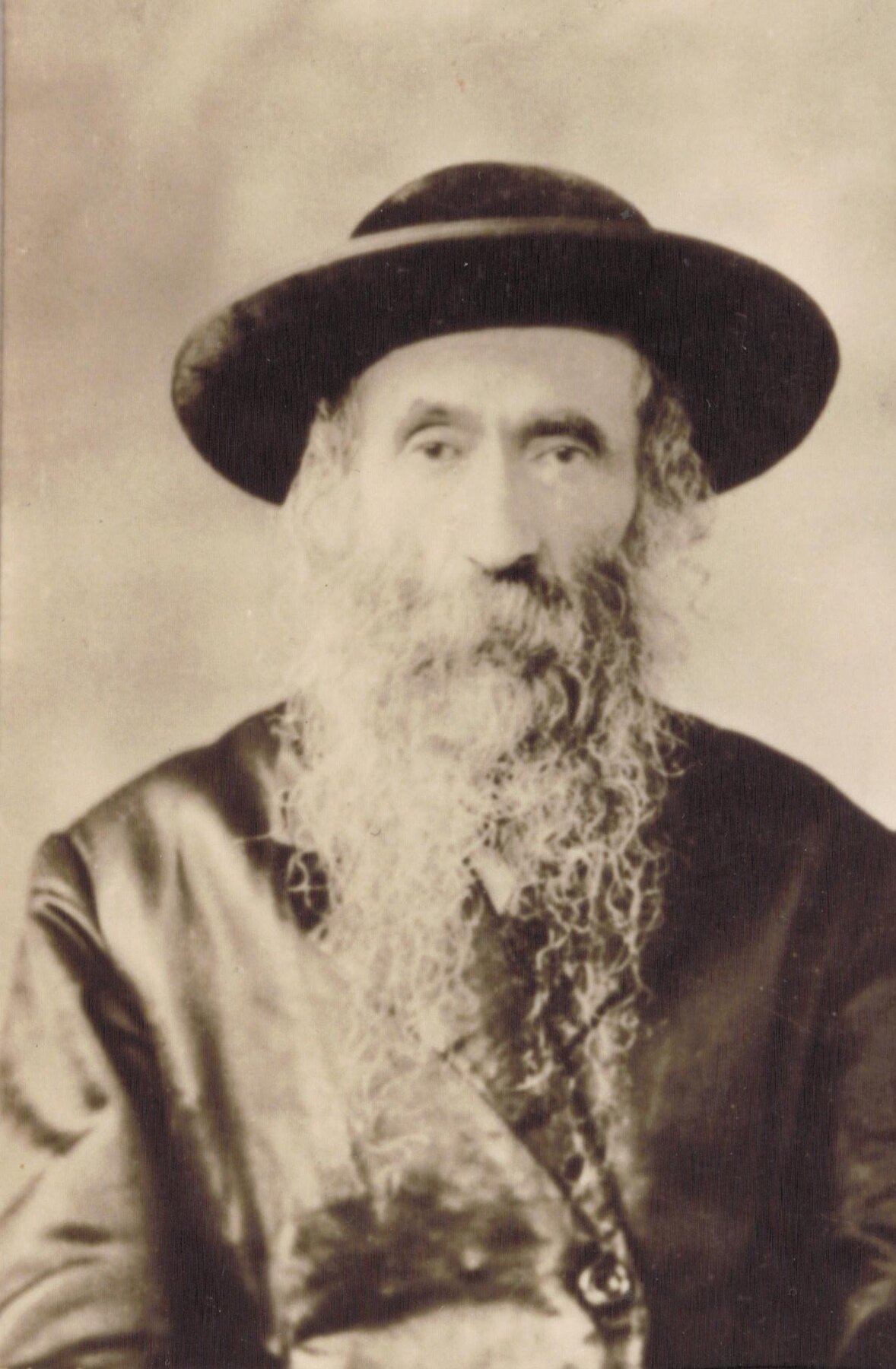
When Rabbi Tuvia brought Shendishov to America
Tovim Me’orot preserves a detailed communal memory of Rabbi Tuvia Horowitz’s three periods in America: the harbor reception, the Rivington Street court, the Shabbos tables, relief work, and the direct bridge he formed between Galicia and New York.
Read the full article →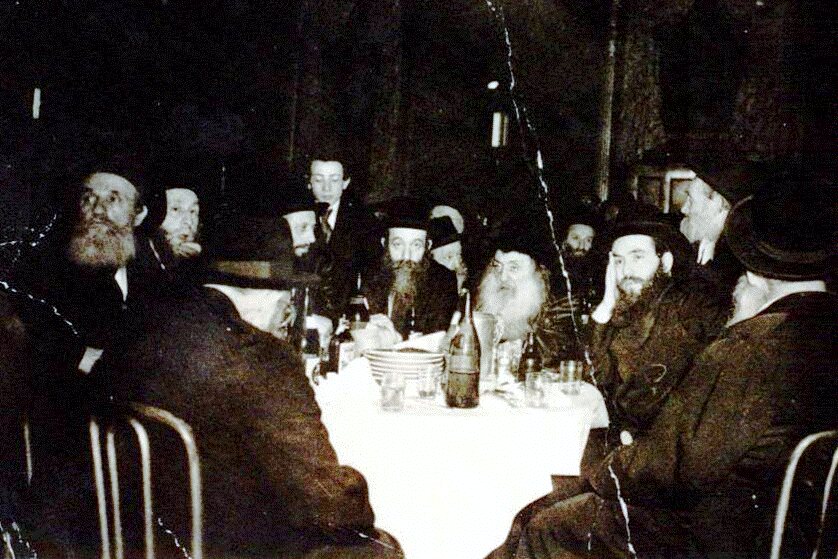
A Chassidic court in the heart of the Lower East Side
The American chapters of Tovim Me’orot portray Rabbi Yisroel Dovid Horowitz’s home and beis medrash as a place where inherited avodah, uncompromising observance, hospitality, counsel, and relationships across many Chassidic circles met.
Read the full article →Among the Rebbes who carried the burden of American Jewry
Tovim Me’orot places Rabbi Yisroel Dovid Horowitz within Agudas HaAdmorim and Vaad HaEzra—not as an honorary name, but as a vice president, meeting chairman, traveler, fundraiser, and partner in religious and rescue work.
Read the full article →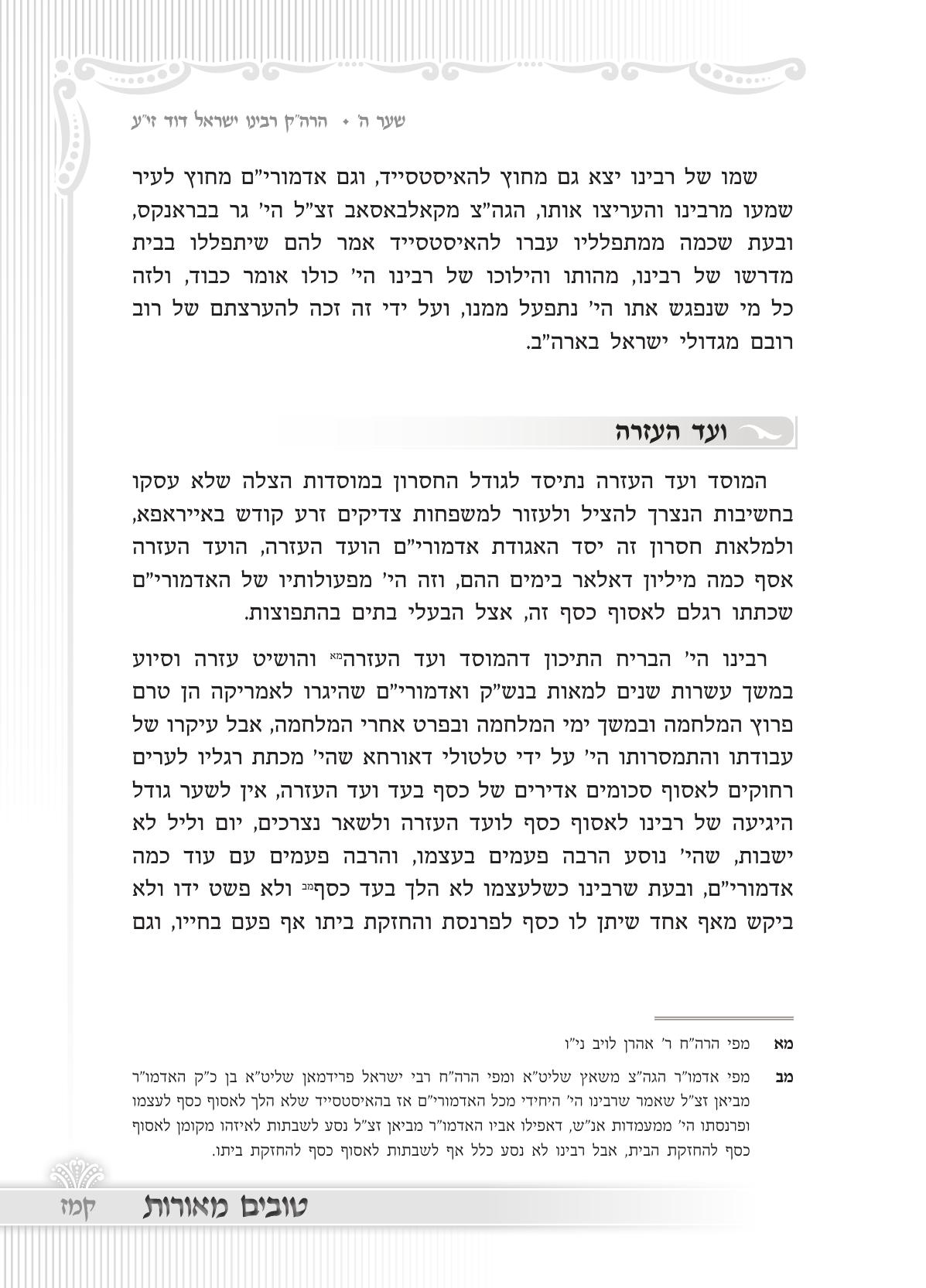
A house open to the individual—and a hand extended across an ocean
The same source that records the East Side tish also records food for an unknown guest, aid to widows and orphans, affidavits for refugees, bonds for people detained at Ellis Island, and help for rabbinic families rebuilding in America.
Read the full article →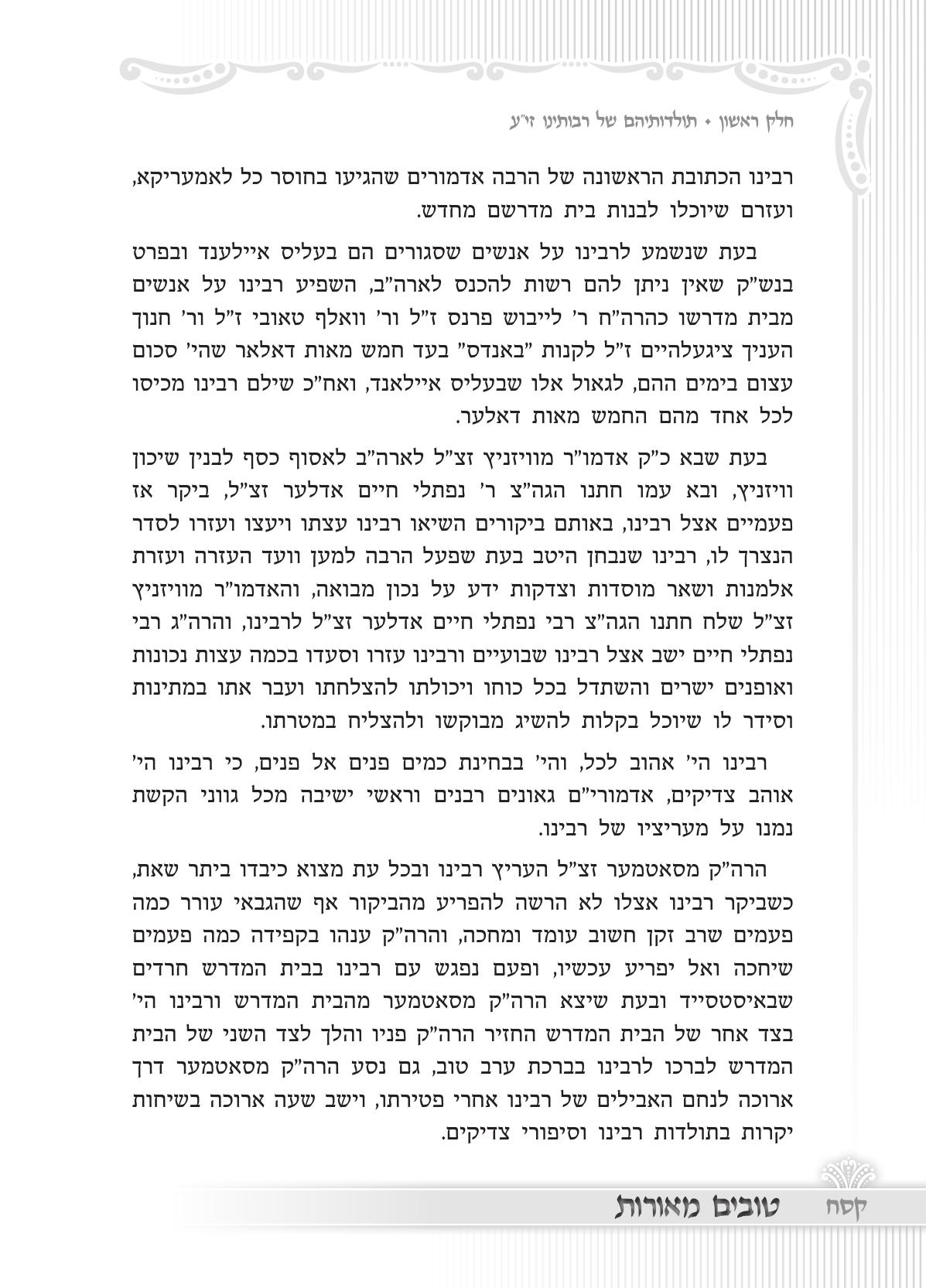
Relationships across the Torah world
The American Shendishover court stood within a dense world of Rebbes, rabbanim, roshei yeshivah, communal activists, immigrants, and families. The surviving record shows respect joined to shared action.
Read the full article →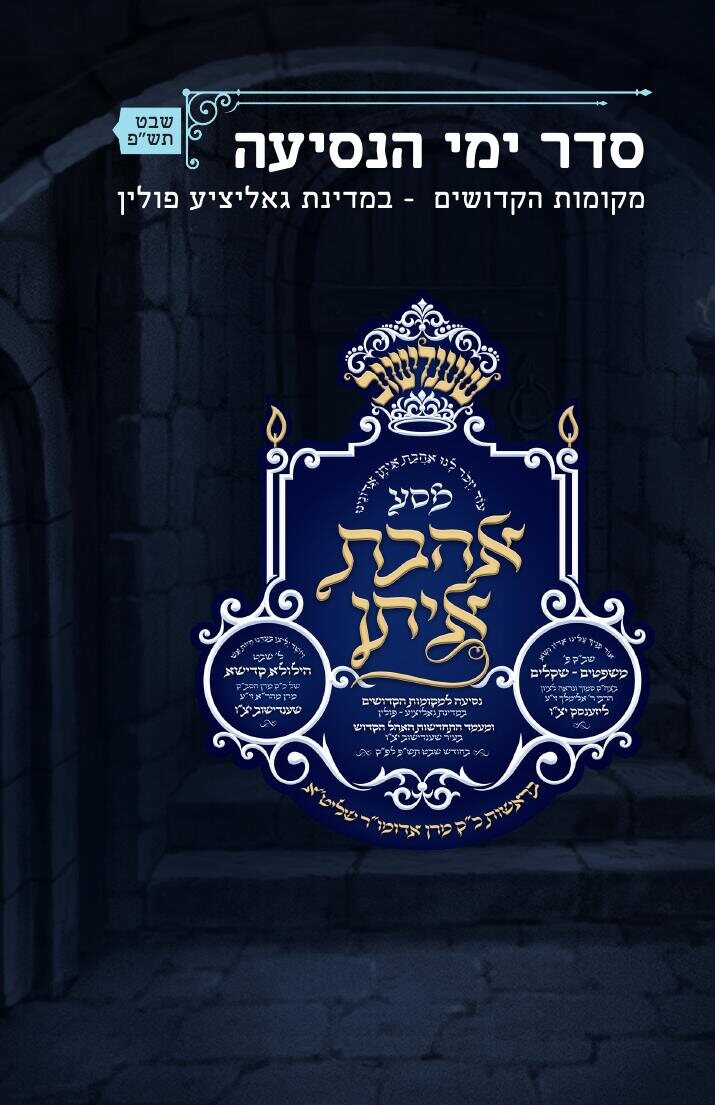
A journey that made inherited places living again
The illustrated Masa Ahavas Eisan booklet records a carefully ordered journey through Shendishov and the sacred places of Galicia and Poland—joining tefillah and attachment to the earlier generations with preservation and shared experience.
Read the full article →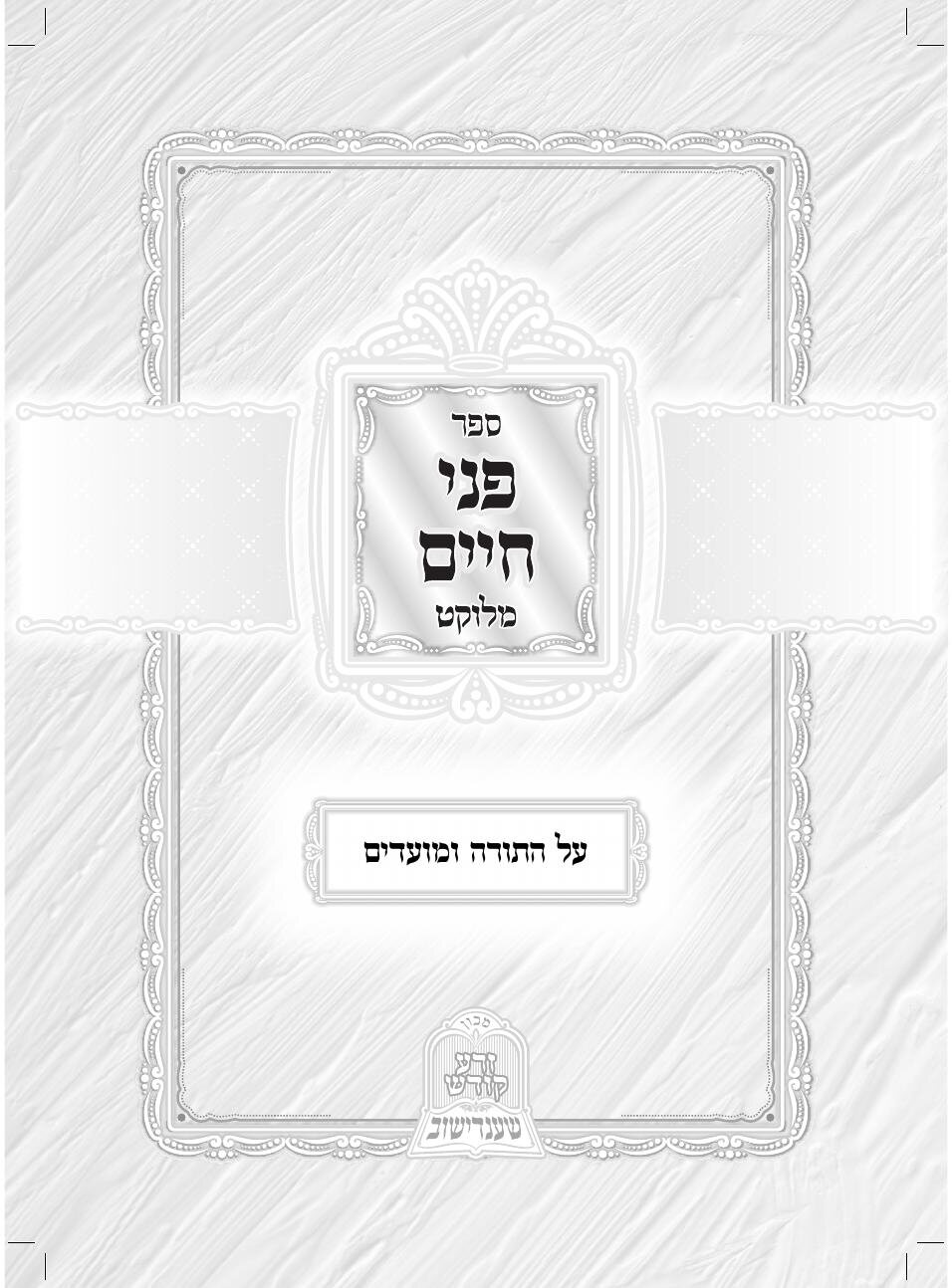
From small weekly sheets to a lasting Torah treasury
The publication record shows a continuous editorial path: early P’ninei Or sheets, the illustrated Otzar HaMoros and Matov Nehora issues, collected festival volumes, and finally Pnei Chaim—a 545-page sefer built from years of the Rebbe’s Torah.
Read the full article →