טובים מאורות · מסעות תרפ״ג–תרפ״ט
When Rabbi Tuvia brought Shendishov to America
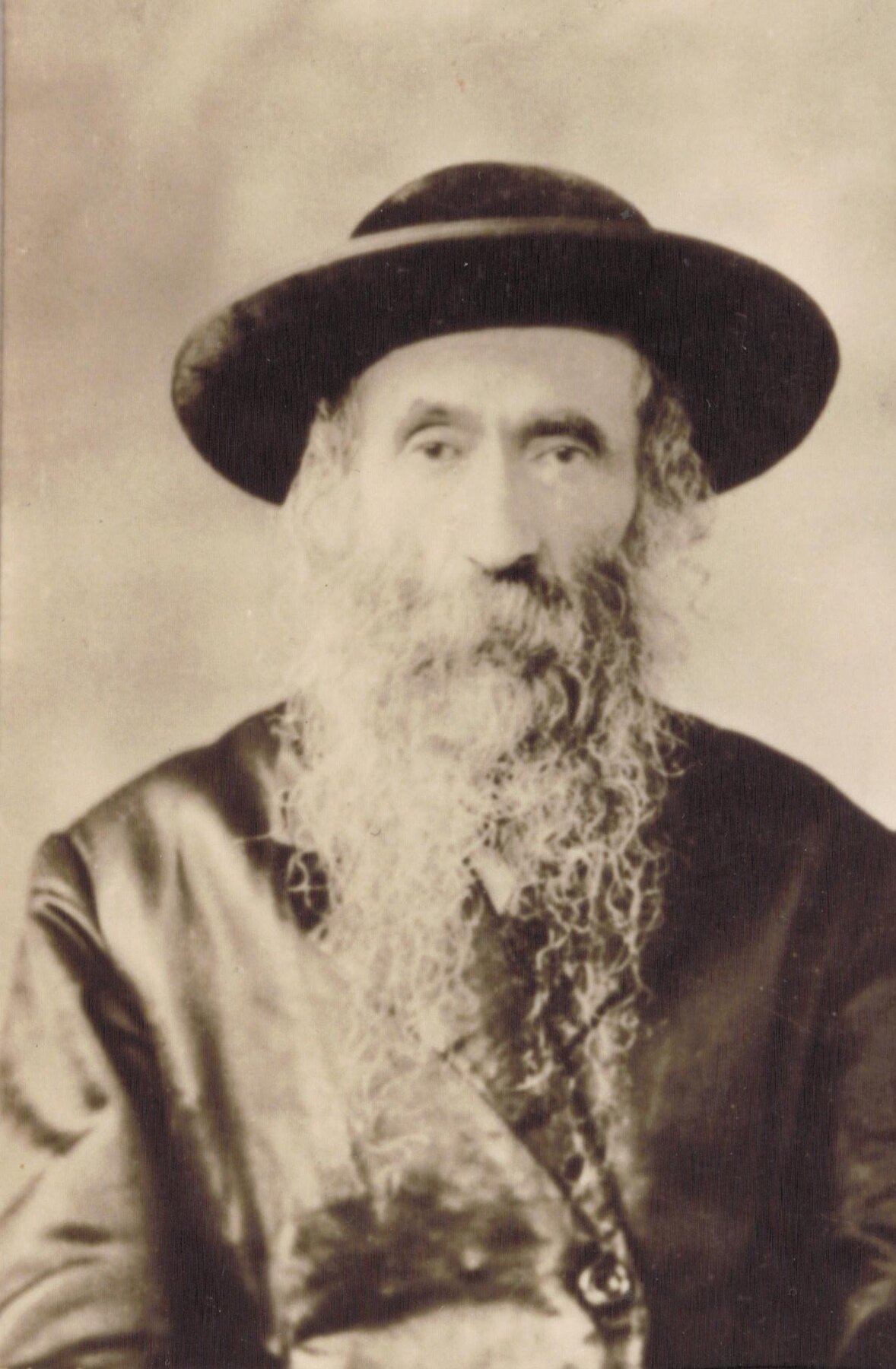
Tovim Me’orot preserves a detailed communal memory of Rabbi Tuvia Horowitz’s three periods in America: the harbor reception, the Rivington Street court, the Shabbos tables, relief work, and the direct bridge he formed between Galicia and New York.
Three visits before the destruction
The publication dates Rabbi Tuvia’s American visits to 5683 (1923), 5685–5686 (1925–1926), and 5688–5689 (1928–1929). These were not isolated fundraising stops. The account describes a repeated movement between Galicia and an already substantial circle of followers in America.
The remembered scene at the harbor is one of song, dancing, and a large ציבור waiting to receive him. Rabbi Moshe Shmuel Rottenberg of Kosson, who traveled on the ship, is cited as a witness; Rabbi Menachem Fuchs is cited for the coin he received as a child and preserved for decades.
Rivington Street became an address
Tovim Me’orot places the visiting court on Rivington Street on the Lower East Side. It records close to one hundred participants at the Friday-night tish, including elder Chassidim and אנשי מעשה who had known earlier Galician tzaddikim.
The account describes people arriving for counsel and brachah, for Shabbos and Yom Tov, and for the atmosphere of a Chassidic court that many feared could not survive in America. The value of the passage lies in its combination of place, repeated practice, named witnesses, and remembered numbers.
Spiritual strengthening and practical relief
The journeys are also placed against the devastation left by the First World War. The publication records the founding of assistance for widows and orphans, making the American visit both a work of strengthening Jewish life locally and a channel of responsibility toward Galicia.
A succession established before departure
Before returning to Poland after the final visit, on 17 Adar I 5689, Rabbi Tuvia appointed his son Rabbi Yisroel Dovid to lead the Shendishover beis medrash and the American ציבור. The permanent American chapter therefore appears in the source as a direct act of continuation, not a later reconstruction.