Divrei Torah and guidance
Recorded Torah from tishen, shiurim, gatherings, and special occasions, prepared with date, subject, setting, and a faithful transcript.
Photographs and recordings preserve the Rebbe’s voice, Torah, public words, relationships, places, and gatherings of the continuing Shendishov story.
Recorded before dawn, approximately 5770, this short film is presented as an actual moment from the avodah of the court—not as a promotional clip. The tish, the late hour, the singing and bentching belong together as one record.
Further recordings will follow this same order: the complete file when appropriate, a precise date or honest dating note, the occasion and place, related photographs or announcements, and a transcript for Torah and public addresses.
The organized home for the Rebbe’s Torah, tishen, addresses, recorded voice, and the spoken life of the court. Every item belongs with its date, occasion, subject, people, place, source, and—where available—a faithful transcript.
Recorded Torah from tishen, shiurim, gatherings, and special occasions, prepared with date, subject, setting, and a faithful transcript.
Recordings of the Rebbe’s tefillah, nusach, Selichos, the Yamim Noraim, and other parts of the yearly order.
The full sound of particular Shabbosos and Yamim Tovim: tefillah, Torah, tish, Havdalah, and the gatherings surrounding them.
Recordings from the tish and communal table, identified by date, parshah or Yom Tov, place, and the people or occasion involved.
Chuppah, seudah, mitzvah-tantz, sheva brachos, bar mitzvahs, and other simchos, joined to their announcements and photographs.
Speeches at dinners, institutional gatherings, commemorations, and public events, catalogued with their full context.
Recordings from visits to communities, rabbanim, holy sites, and historical places, joined to the journey record and galleries.
Interviews and remembered voices connecting names, customs, places, events, and the people who carried earlier memory.
The contemporary record follows the Rebbe through the recurring life of the court through years of Torah, avodah, communal gathering, family life, journeys, and relationships across communities.
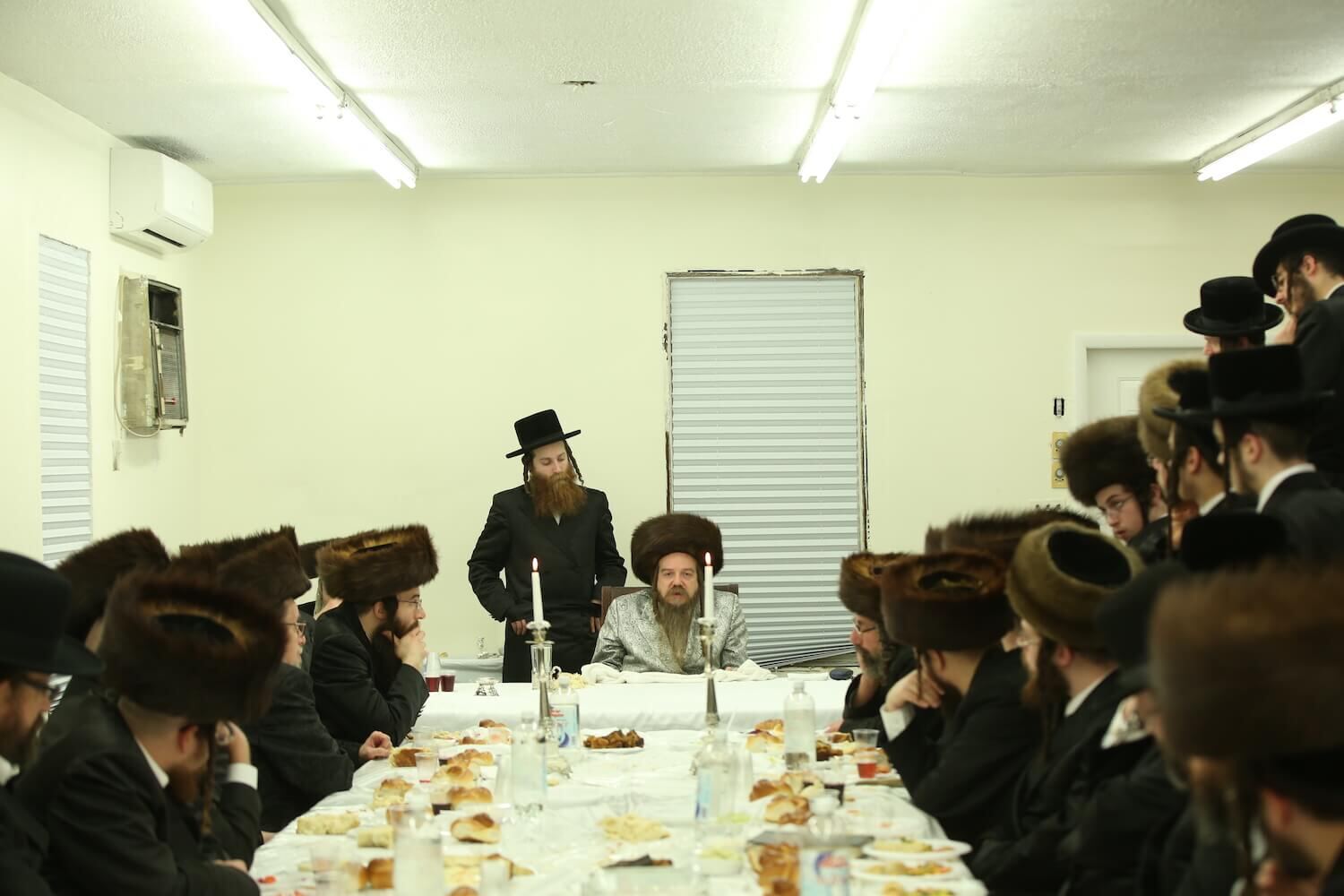
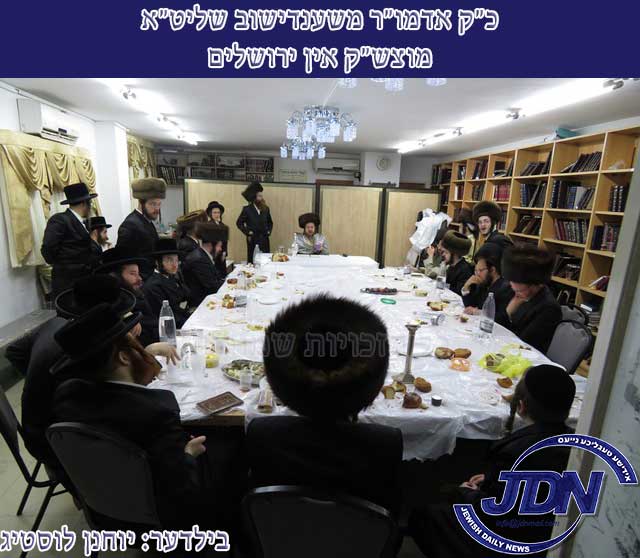
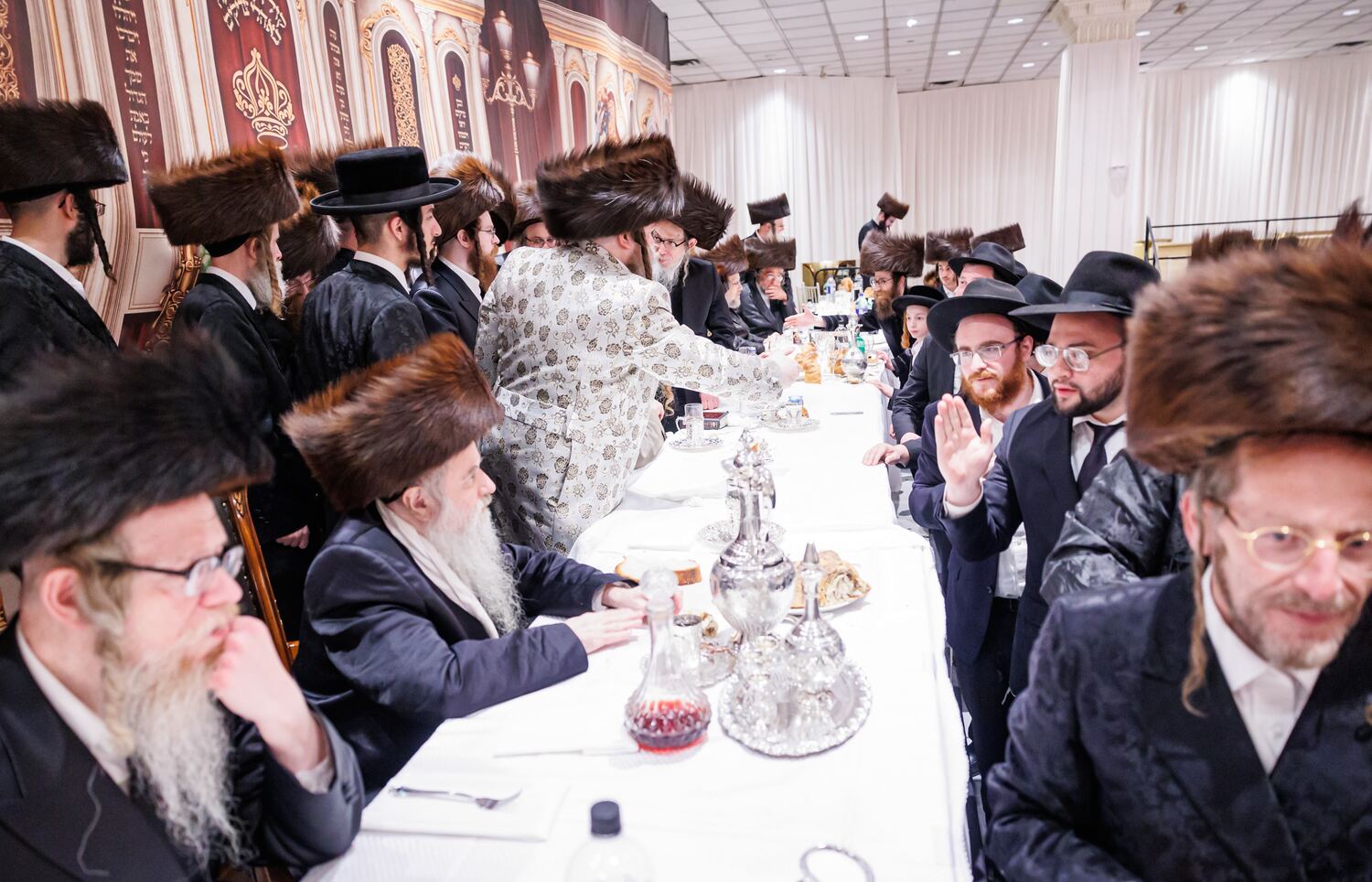
Early family and court photographs, moments beside the previous generation, public appearances, visits, Torah, tefillah, and personal encounters.
Shabbos and Yom Tov, divrei Torah, communal meals, yahrzeits, public addresses, and the atmosphere of the living court.
Weddings, sheva brachos, bar mitzvahs, hachnosah l’cheder, and family occasions that also record the relationships surrounding the court.
Eretz Yisroel, Monsey, holy sites, visits to Rebbes and rabbanim, cemetery gatherings, Poland, and the routes connecting dispersed circles.
Recorded shiurim, tishen, conversations, interviews, elder testimony, and the work of faithful transcription.
Addresses at weddings, dinners, visits, institutional gatherings, and special occasions, preserved with their date, setting, and people present.
Photographs, albums, film, audio, printed reports, and eyewitness identification together preserve the atmosphere and relationships that no single medium can carry alone.
A rare photograph of the present Rebbe beside his father preserves a formative link between two generations.
Located material includes Eretz Yisroel visits, holy sites, a cemetery gathering, rabbinic encounters, a sheva brachos in Monsey, and a meeting connected to Galician historical research.
A visually dated Monsey visit and the illustrated Masa Ahavas Eisan journey record connect living gatherings with Shendishov, Galicia, historic towns, and kevarim.
Located illustrated publications document Chanukah, summer, multiple community centers, visiting rabbanim, institutional growth, and the rhythms surrounding the Rebbe.
A May 30 wedding collection shows the Rebbe among family, followers, guests, and prominent rabbanim at a living communal simchah.
Older tish and Shushan Purim material is known and preserved, including an inaccessible earlier link. Occasion and approximate period are recorded; exact dating remains open.
The media treasury follows the relationships within every item. One wedding photograph may connect generations, families, visiting rabbanim, a beis medrash, a niggun, a publication, and later testimony. Those connections make the image historically useful.
Images can preserve the transmission between generations, the elders who carried earlier memory, and the settings in which continuity took shape.
Photographs and recordings connect the court with the places, institutions, and relationships through which its story has traveled.
The visual record follows the rhythm of Shabbos, Yom Tov, yahrzeits, learning, travel, and communal responsibility.
Weddings and milestones reveal bonds between generations and families while preserving the character of the living court.
The strongest archive preserves both the original item and the knowledge surrounding it: who is present, where and when it belongs, what occasion it records, and how it connects to the larger story.
The collection respects ownership, privacy, context, and accuracy. Where a caption is incomplete, the original image remains connected to the information needed for careful identification.