עליונים ששו
אוצר ניגוני שענדישוב
A living musical inheritance.
The Shendishov musical tradition is not a loose group of songs. It is an ordered inheritance of niggunim, nusach, zemiros, and melodies for tefillah, the tish, Shabbos and Yom Tov, hakafos, chuppah, seudah, and mitzvah-tantz. Received from the earlier houses and carried through the generations, it remains part of the living service and communal life around כ״ק מרן אדמו״ר שליט״א.
The recordings below were preserved in the Machon’s original email archive as “old niggunim received from the holy Rebbes of the house of Shendishov,” recorded with musical accompaniment. They are presented here together with their titles, place in the yearly or family cycle, written sources, photographs, and related records.
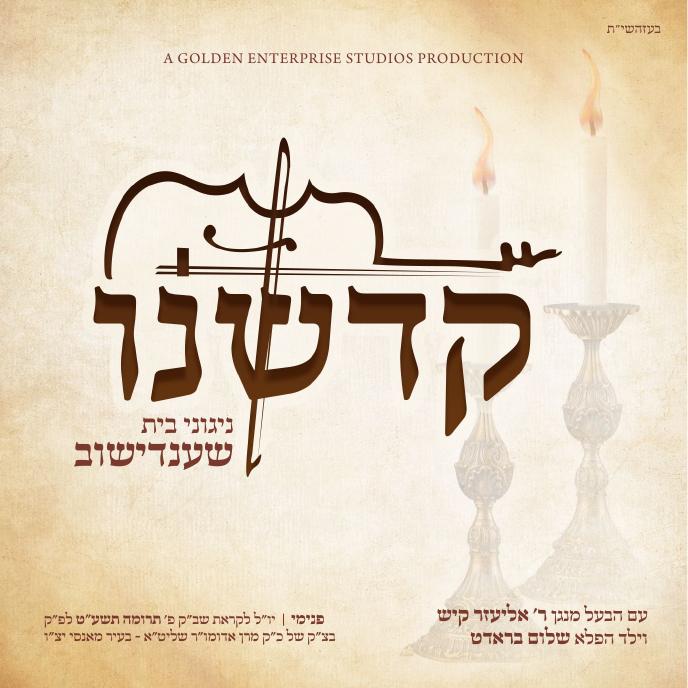
הקלטות מקוריות
Eight recordings from the preserved collection.
These tracks come from the original two-part email set “Nigunei Shendishov.” Each player is connected to the title supplied with the file; further source, occasion, and transmitter information will remain attached as the catalog grows.
מלך רחמן
Melech Rachaman
4:23ניגון אין קצבה
Niggun Ein Kitzvah
2:26ניגון השירה
Niggun HaShirah
3:21ניגון הקפה — ישמחו
Hakafah Niggun — Yismechu
2:34כי אתה תאיר נרי
Ki Atah Tair Neiri
3:49ניגון נענועים — אדיר איום ונורא
Na’anuim — Adir Ayom VeNora
5:37ניגון אור פניך — ברח דודי
Or Panecha — Berach Dodi
4:37שלשלת הניגון
From Ropshitz to the tish today.
The collection presents each niggun with the generation from which it was received, the occasion on which it is sung, and the recordings in which it can be heard.
The Ropshitz roots
Niggunim and nusach associated with Ropshitz and the ancestral houses—the oldest layer of the musical inheritance carried into Shendishov.
The Shendishov generations
The melodies as they were received, sung, remembered, and transmitted through the Rebbes and the homes of those who preserved them.
The written musical treasury
Zemiros, nusach, minhagim, and the ordered place of each niggun in Shabbos, Yom Tov, tefillah, and the cycle of family life.
The living sound around the Rebbe
The niggunim as heard today at tishen, tefillah, weddings, journeys, and gatherings—continuing the inheritance while adding the voice of the present court.
לפי זמן ומעמד
The niggunim where they live.
שבת ויום טוב
Zemiros · tish · tefillah
The recurring melodies of the Jewish year, preserved together with their proper place and practice.
קבלת פנים וחופה
Before and beneath the chuppah
The full wedding order: kabbolas ponim, march, dveikus, and the melodies attached to the chuppah.
סעודת חתונה
Seudah and simchah
Niggunim sung through the wedding meal, with their sequence, use, and known versions.
מצוה־טאנץ
The concluding avodah of the wedding
The ordered melodies of the mitzvah-tantz, preserved as one complete musical unit.
ריקוד ודבקות
Movement and inward song
Dance melodies and niggunim of dveikus, including variant recordings and the occasions on which they are sung.
פורים ושושן פורים
Tish and remembered sound
Older tish recordings and melodies connected to Purim, preserved together with the occasion on which they were sung.
פרטי הניגון
The sound together with its מסורה.
A recording is presented with the names, words, occasion, and received tradition that give it its proper place.
- Name and alternate name
- House or generation of origin
- From whom it was received
- Occasion and place in the order
- Known singers and transmitters
- Audio versions and date
- Words, notation, and manuscript
- Related photograph, sefer, or event
קול, מקום וזמן
Hear it where it lives.
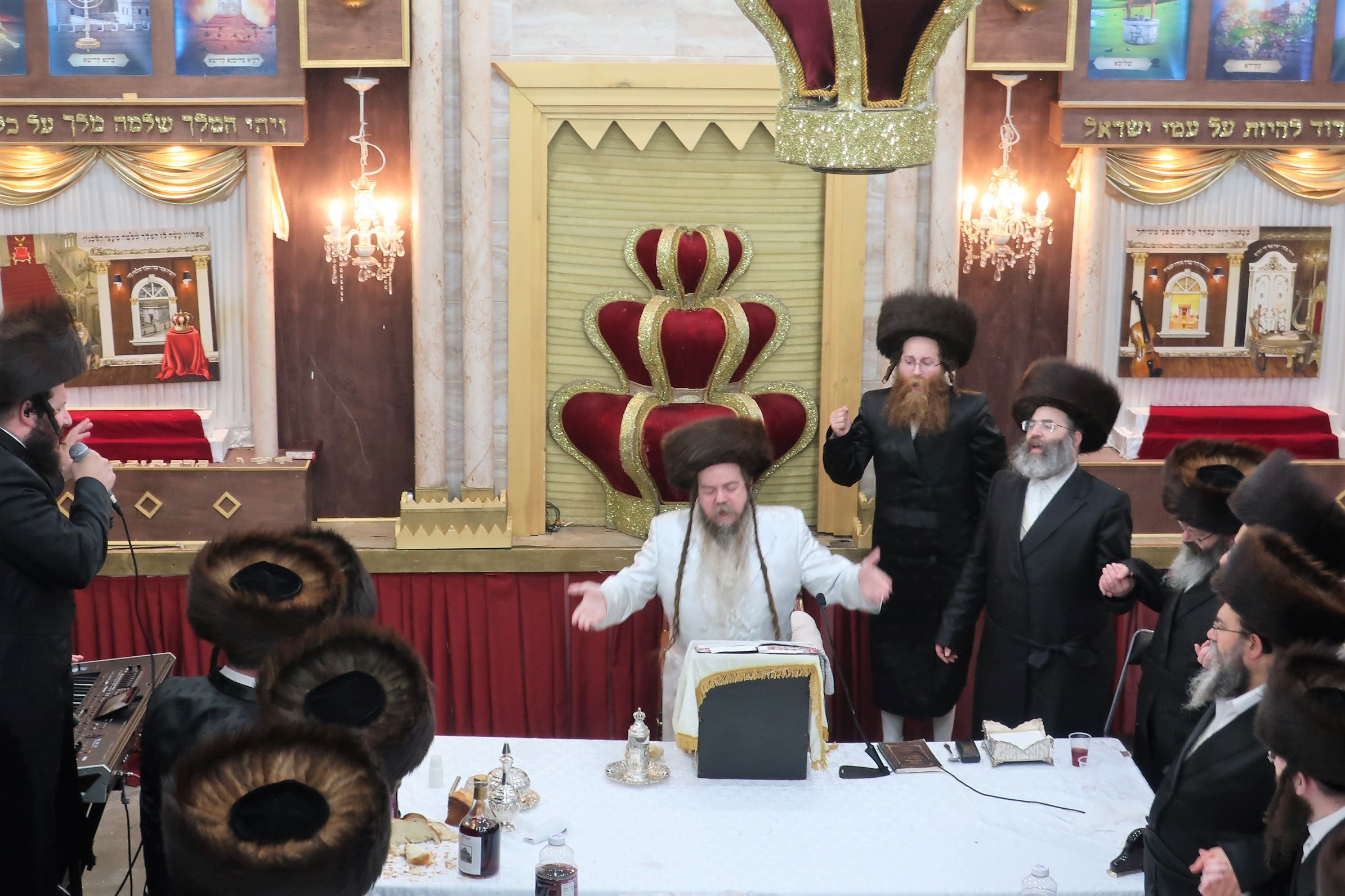
The niggun belongs at the tish, in tefillah, at a chuppah, and at the mitzvah-tantz. The recordings are therefore presented beside the Rebbe, the occasion, the words, and the received סדר.
Recordings and photographs →