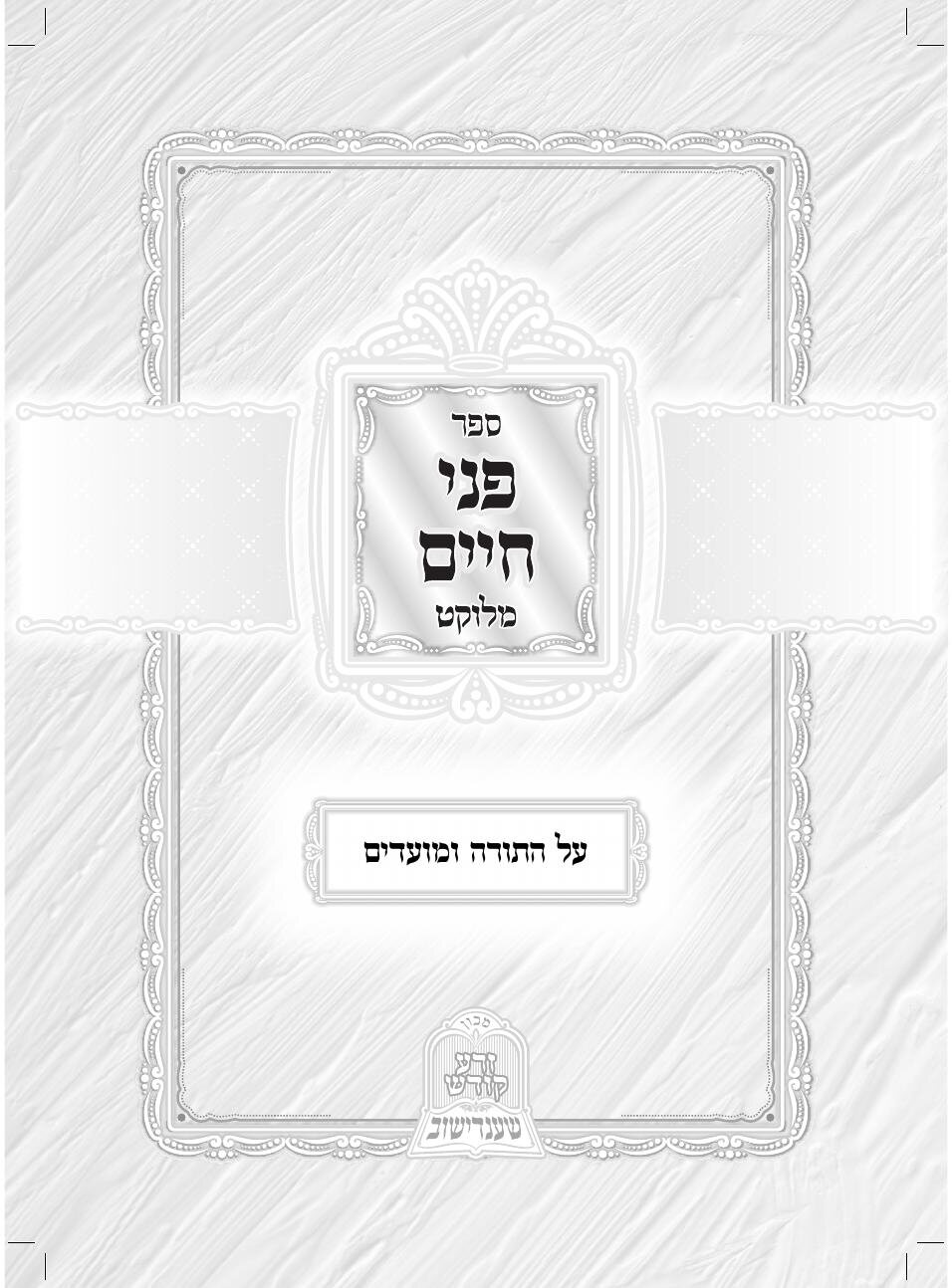
2023 · תורתו של רבי
Pnei Chaim
פני חייםThe major collected sefer of the Rebbe’s Torah on the parshiyos and moadim, built from years of written notes, transcriptions, and earlier publications.
Through publication, the Rebbe’s spoken Torah becomes a sefer, manuscripts return to the beis medrash, old photographs regain their names, and the memory of generations enters the life of today.
Every title below opens directly into reading, a related article, the book record, or the sound and visual material that belongs with it.
The major collected sefer of the Rebbe’s Torah on the parshiyos and moadim, built from years of written notes, transcriptions, and earlier publications.
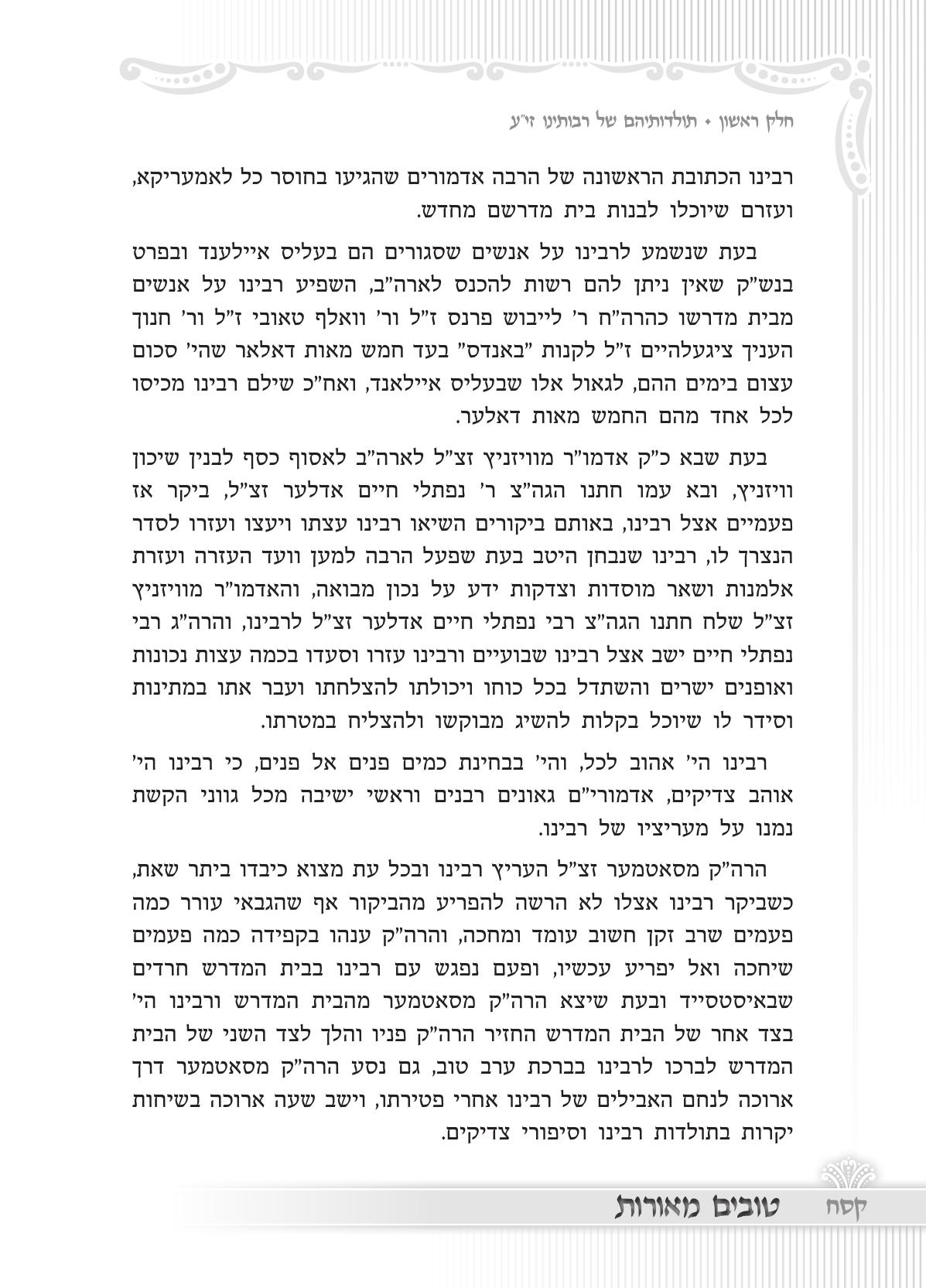
The long-running treasury that preserved Torah, biographies, memories, manuscripts, letters, photographs, clippings, and the names of those who carried the tradition.
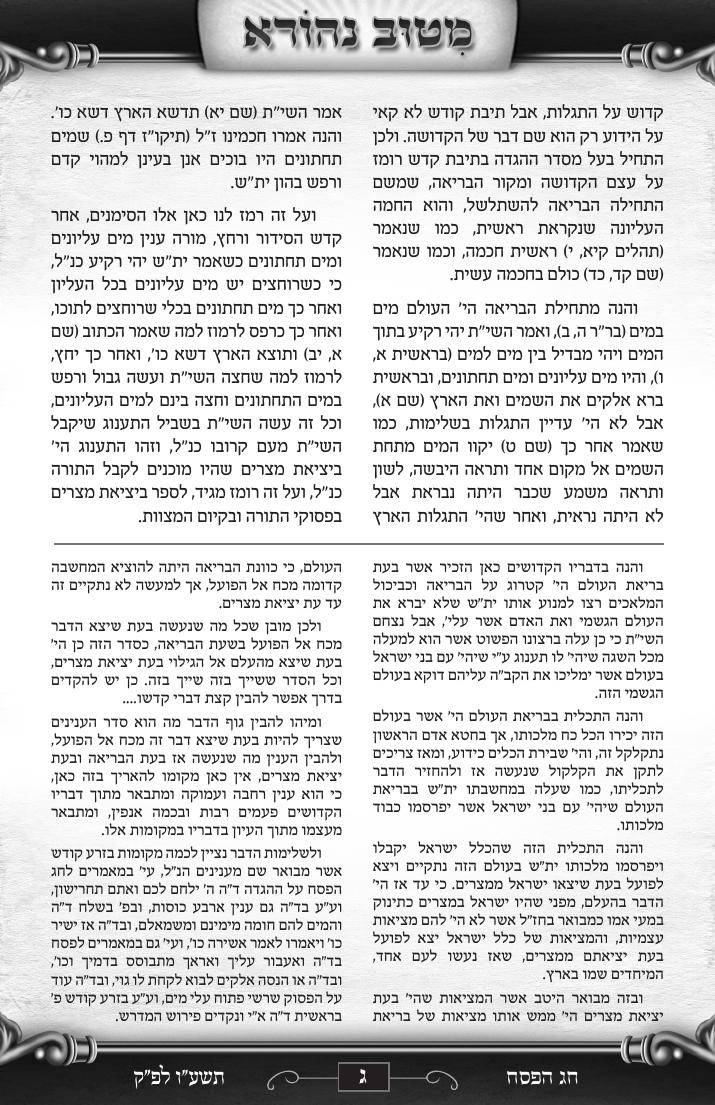
Rich seasonal publications in the internal voice of the court: Torah, preparation for Yom Tov, minhagim, memories, historical writing, letters, and contemporary life.
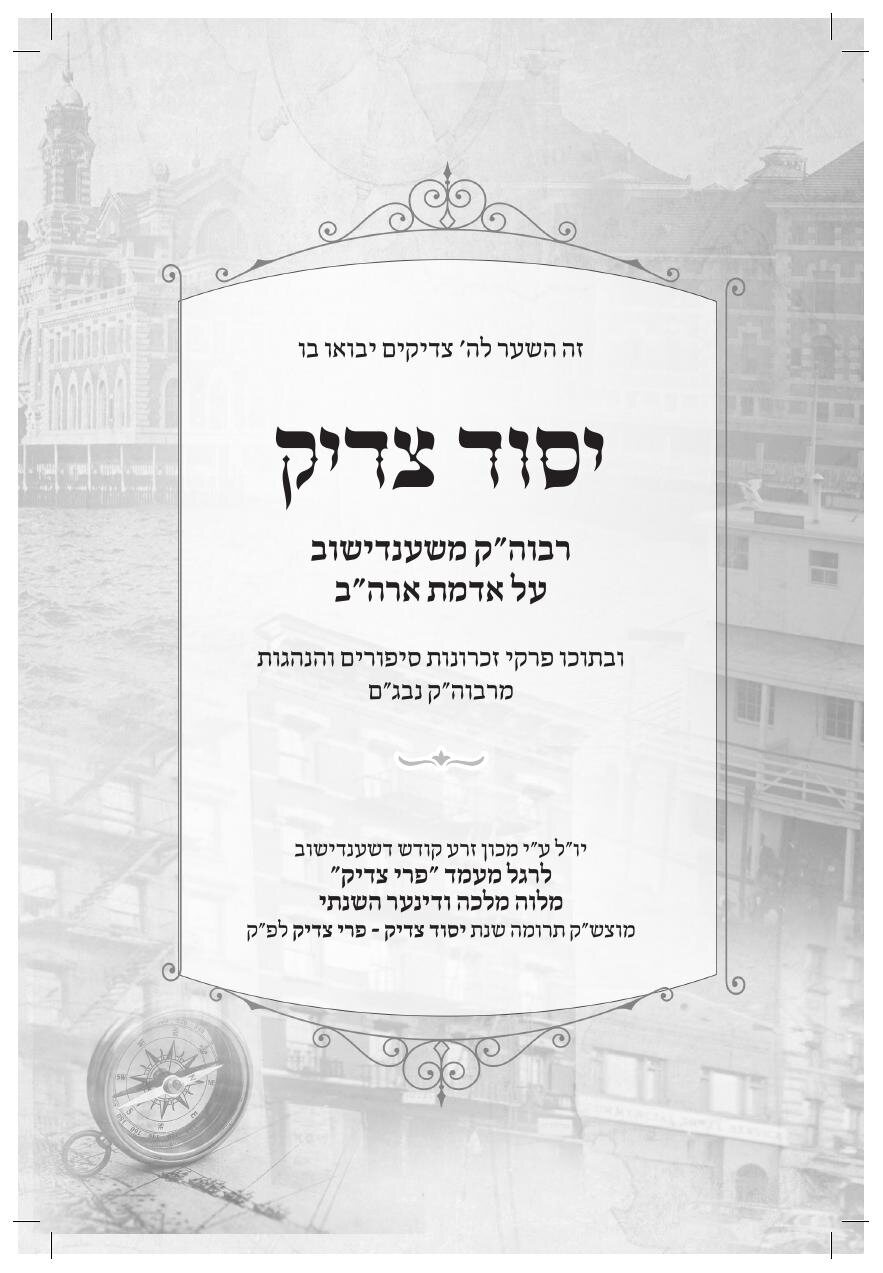
A full illustrated account of the early American chapter: the Rebbes, the East Side court, communal institutions, personalities, documents, maps, photographs, and public work.
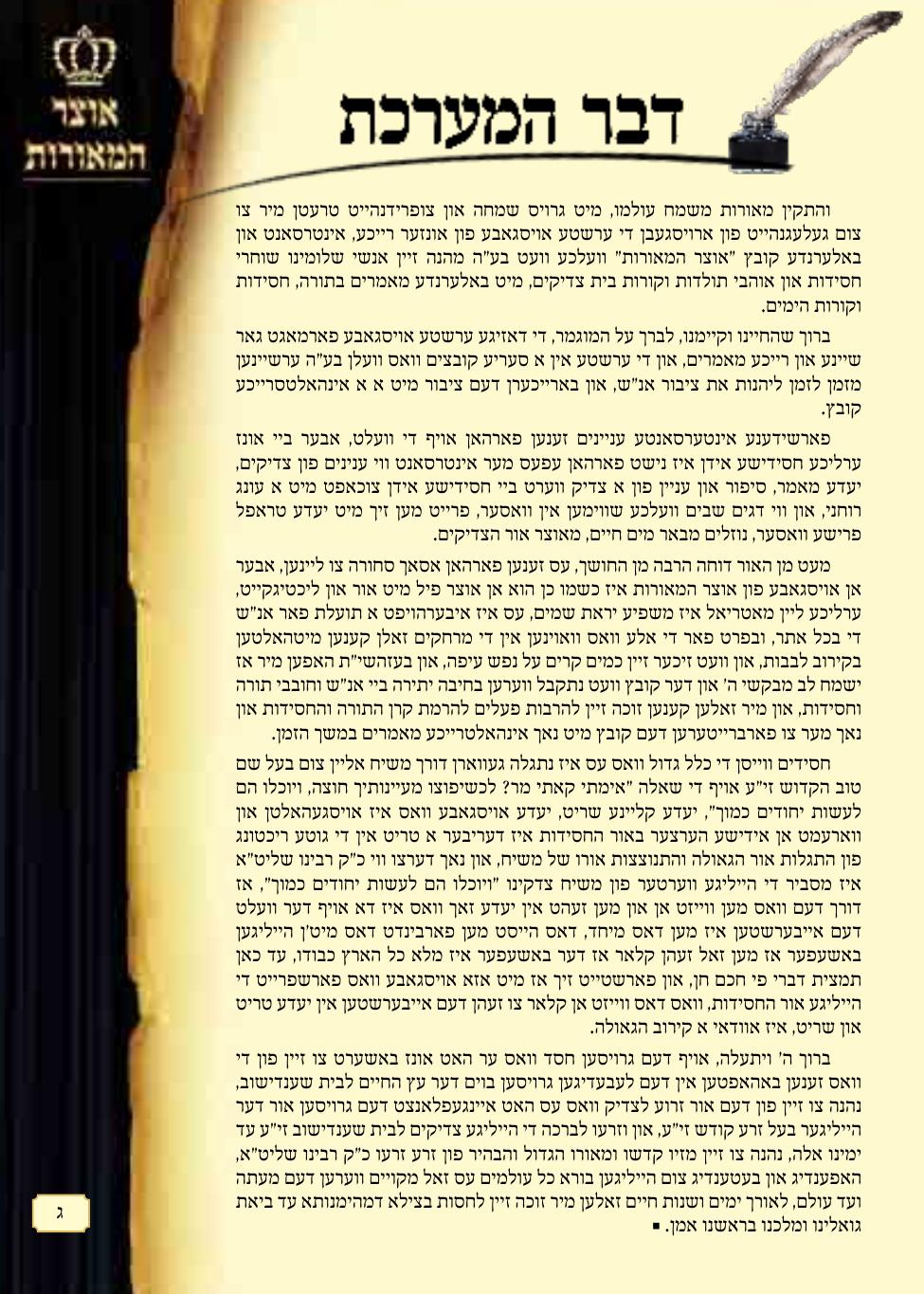
A broad periodical joining Torah of the Rebbe, teachings of earlier generations, Chassidic history, relationships, institutions, books, photographs, and life in the court.
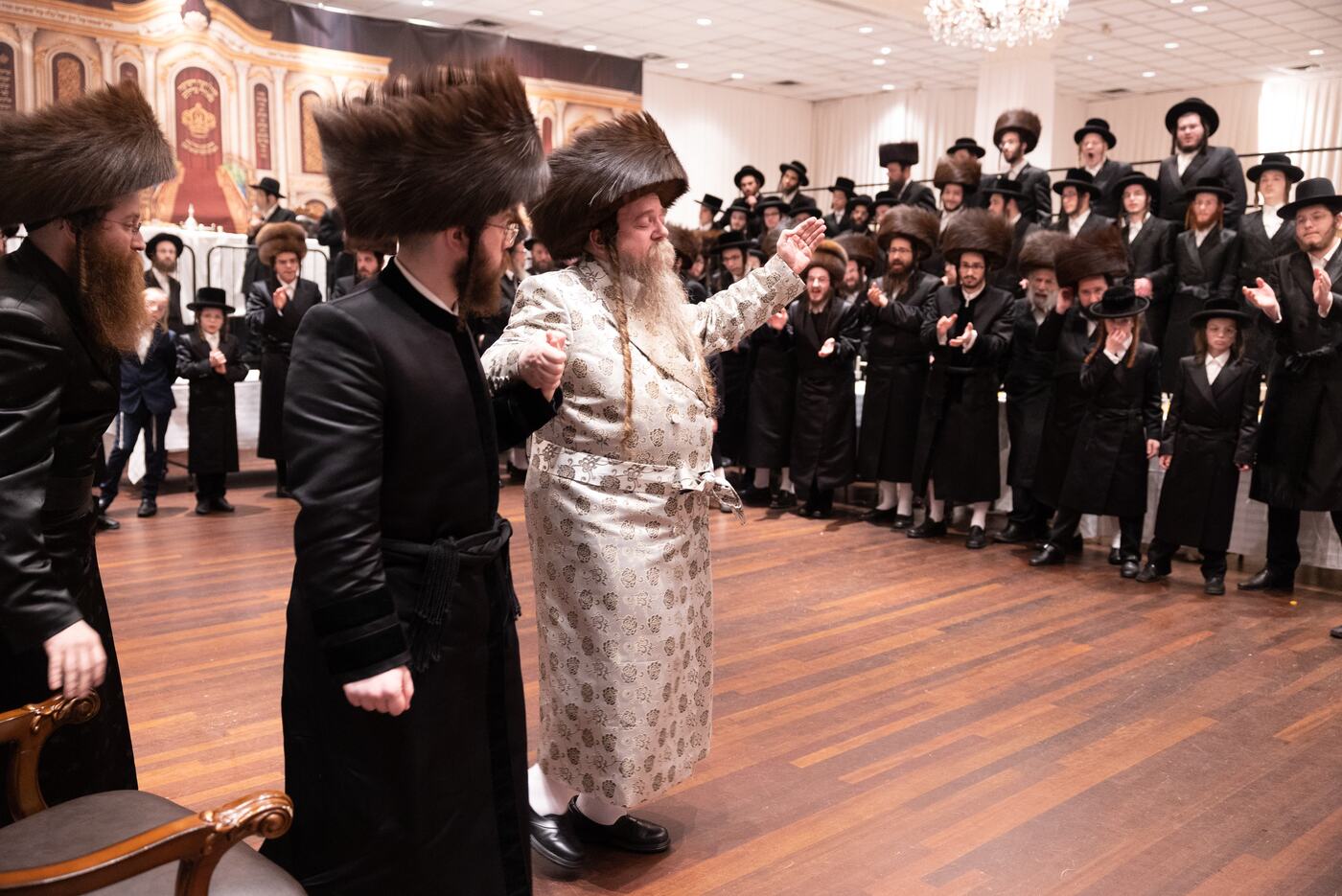
The ordered musical inheritance of the house: zemiros, nusach, dance and dveikus melodies, wedding order, occasions, and the recordings that preserve their living sound.
Teachings preserved from speech, notes, transcripts, earlier printings, and carefully edited collections.
The foundational serial treasury of traditions, biographies, documents, manuscripts, and remembered Torah.
Short-form and spoken Torah developed into collected, searchable holiday, weekly-portion, and subject volumes.
Illustrated historical narratives joining generations, American institutions, personalities, and archival evidence.
Seasonal guidance, customs, preparation, recollection, and the inner life of the court.
Melodies preserved not as ornament, but as carriers of memory, feeling, and inherited avodah.
The form changed over time—from dense Torah and source collections, to illustrated historical magazines, to photographic records, sound, journeys, project publications, and a developing digital archive. The purpose remained continuous: to save, clarify, transmit, and make the inheritance usable.
A sustained work of rescue: Torah, oral traditions, family history, manuscripts, letters, clippings, and memorial material gathered into an expanding series.
A new visual language joined old photographs, documents, elders’ recollections, places, and personalities into a more continuous public story.
Frequent shorter Torah publications grew into richer edited and illustrated issues, linking the Rebbe’s Torah with the inherited path and the daily life of the court.
Holiday magazines, historical writing, and the treasury of niggunim carried Shendishov through text, image, and sound.
A more mature historical presentation brought together documents, maps, photographs, institutions, and detailed memories of the building of Chassidic Jewish life in America.
Photography, travel programs, calendars, recordings, and themed collections documented the living rhythm of the court across places and seasons.
A sustained editorial project gathered the Rebbe’s Torah from earlier sheets and booklets, handwritten notes, and records from oral delivery. Intermediate Or Pnei Chaim files survive from 2022; the full Pnei Chaim volume was brought to print in 2023.
Older series are being recovered and reorganized while new projects connect publications with the cemetery, archive, people, places, and the Torah of the living court.
The editions themselves preserve the development of Shendishov publishing: recurring Torah, Yom Tov collections, minhagim and niggunim, illustrated history, and the Rebbe’s Torah in book form.
The surviving 38-page first part used a blue-and-gold illustrated format, old photographs, manuscripts, newspaper clippings, places, and elders’ memories to form a continuous story from Ropshitz and Galicia to America and the living court. The located copy is incomplete, so it is presented as a surviving part—not a complete edition.
A surviving two-page Beha’aloscha issue shows an already recurring short-publication system joining the Rebbe’s Torah, practical guidance, schedules, and information across Brooklyn, Monsey, Jerusalem, and London.
Weekly and occasion-based formats joined Torah, minhag, remembrance, local schedules, institutional notices, and community life. A 65-page wedding anthology from 2015 demonstrates that family occasions could become serious communal Torah projects.
The 72-page first issue explicitly presented itself as the beginning of a continuing series for אנשי שלומינו near and far. It combined Torah, Chassidus, historical writing, the living Rebbe’s teachings, news of the court, photographs, and future sefer announcements.
Holiday publications became sustained editorial works with recurring sections: Torah, customs, memories, historical material, preparation for the festival, and the internal voice of the living court.
The 163-page Shirei Dovid established a practical codex of nusach, zemiros, and minhag for Shabbos and Yom Tov. The 76-page Ashrei Ha’am Shekachah Lo shows a process of word-for-word transcription, review by the Rebbe, expansion, and arrangement for publication.
A 144-page illustrated work with maps, documents, manuscripts, newspaper extracts, and many historic photographs presented Shendishov’s role in building Chassidic Jewish life in America.
The 12-page Ma’oros Bachatzros Kodsheinu album recorded an entire year around the Rebbe: Tishrei, family celebrations, Chanukah, a journey to the historic roots, yahrzeit observance, Purim, summer activity, and gatherings.
A new concentrated editorial phase gathered material across earlier series, handwritten notes, transcriptions, and oral records. Surviving Or Pnei Chaim working volumes from 2022 lead into the full Pnei Chaim volume printed in 2023.
Each restored work preserves the authority of its source while making its contents easier to find and understand through careful ordering, accurate titles, source references, visible treatment of additions, and the correction of errors without erasing the history of earlier editions.
The digital center connects each publication with its authors, generations, subjects, manuscripts, photographs, places, events, and related recordings.