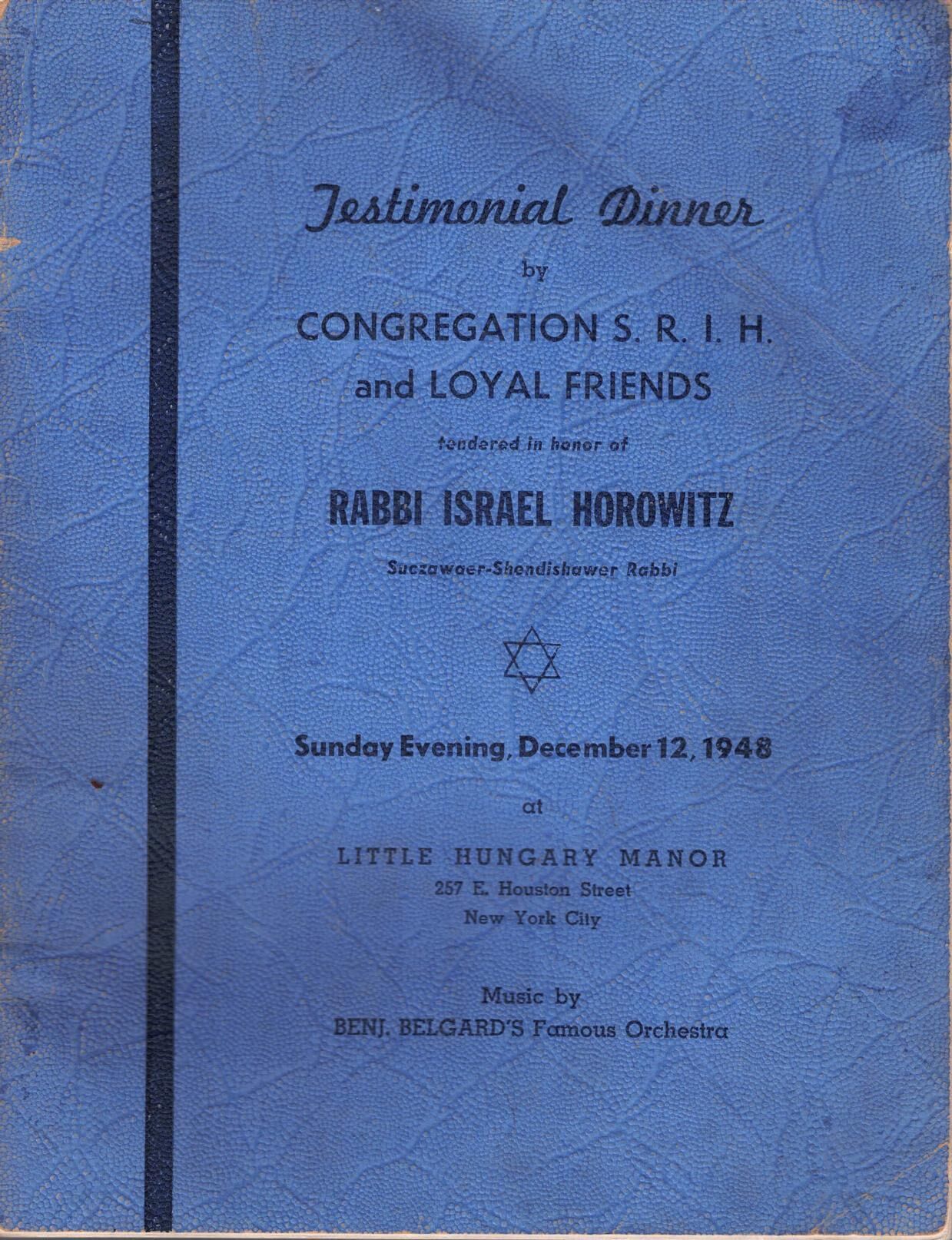
IMAGE · 1948
1948 Testimonial Dinner — archive source
Real Wix-hosted archive media record.
Source: Shendishov historical archive
Examine the object ↗בבית כ״ק מרן רבינו שליט״א
An inherited treasury of seforim, manuscripts, letters, photographs, documents, recordings and objects—preserved as the permanent source record of the Shendishover generations and their living continuation.
ONE ITEM · ONE PERMANENT RECORD
A letter may appear beside a Rebbe, a place, an event or a family. It is not copied into four unrelated collections. Every pathway returns to one authoritative record with its identification, provenance, source and status intact.
Otzar HaGenazim preserves the inherited collection. Machon Zera Kodesh researches, edits and publishes from the sources. The two work together, but they are not the same institution.
תשעה שערים לאוצר
Not a miscellaneous gallery. Each object enters through a defined collection, receives a permanent record, and remains connected to its people, generation, place and story.
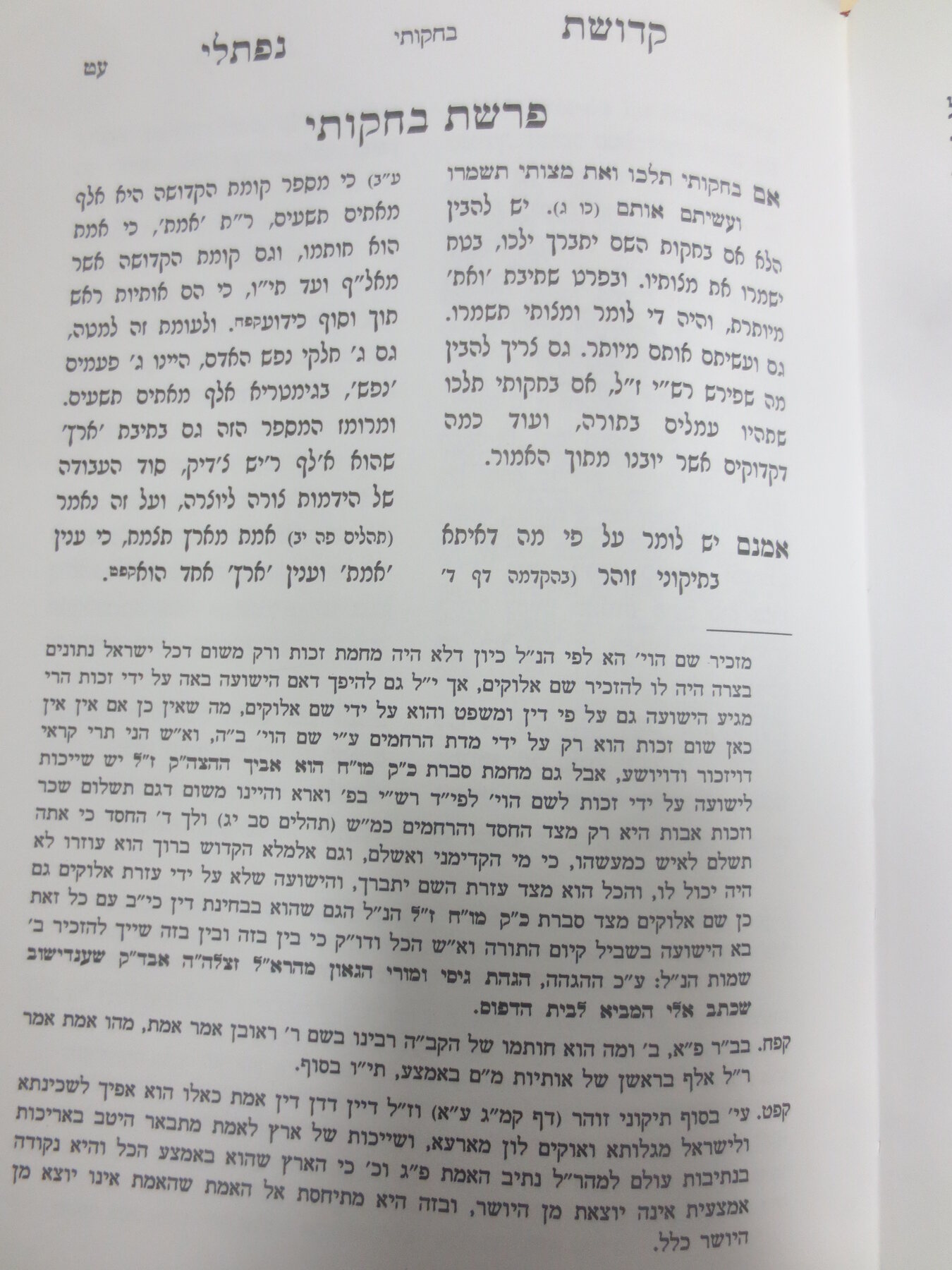
Original writings, notebooks, annotations and Torah preserved in the handwriting of the generations.
Open the collection →Letters of the Rebbes, rabbanim, Chassidim, families and public figures—kept with sender, recipient, date and context.
Open the collection →Family seforim, ownership marks, inscriptions, marginalia and the history of the library itself.
Open the collection →Portraits, gatherings, tishen, weddings, journeys and places—identified person by person and occasion by occasion.
Open the collection →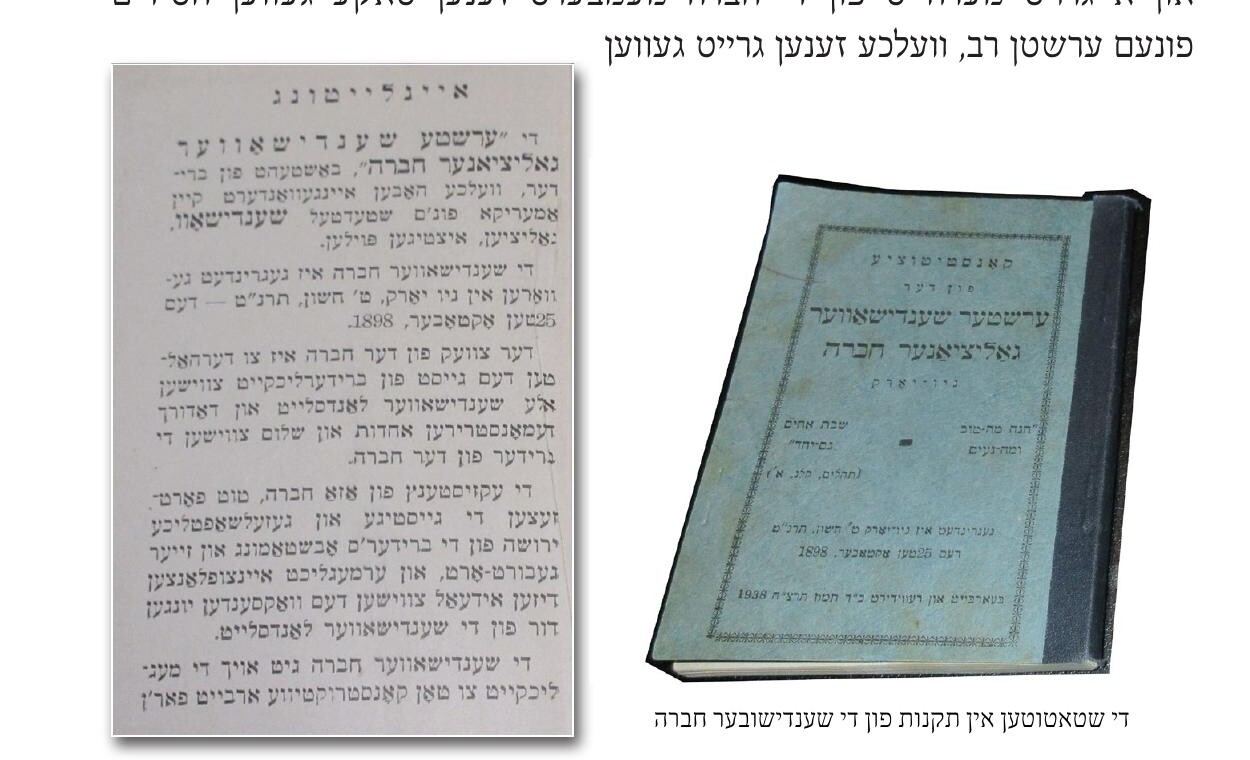
Constitutions, registers, invitations, notices, institutional papers, press and cemetery evidence.
Open the collection →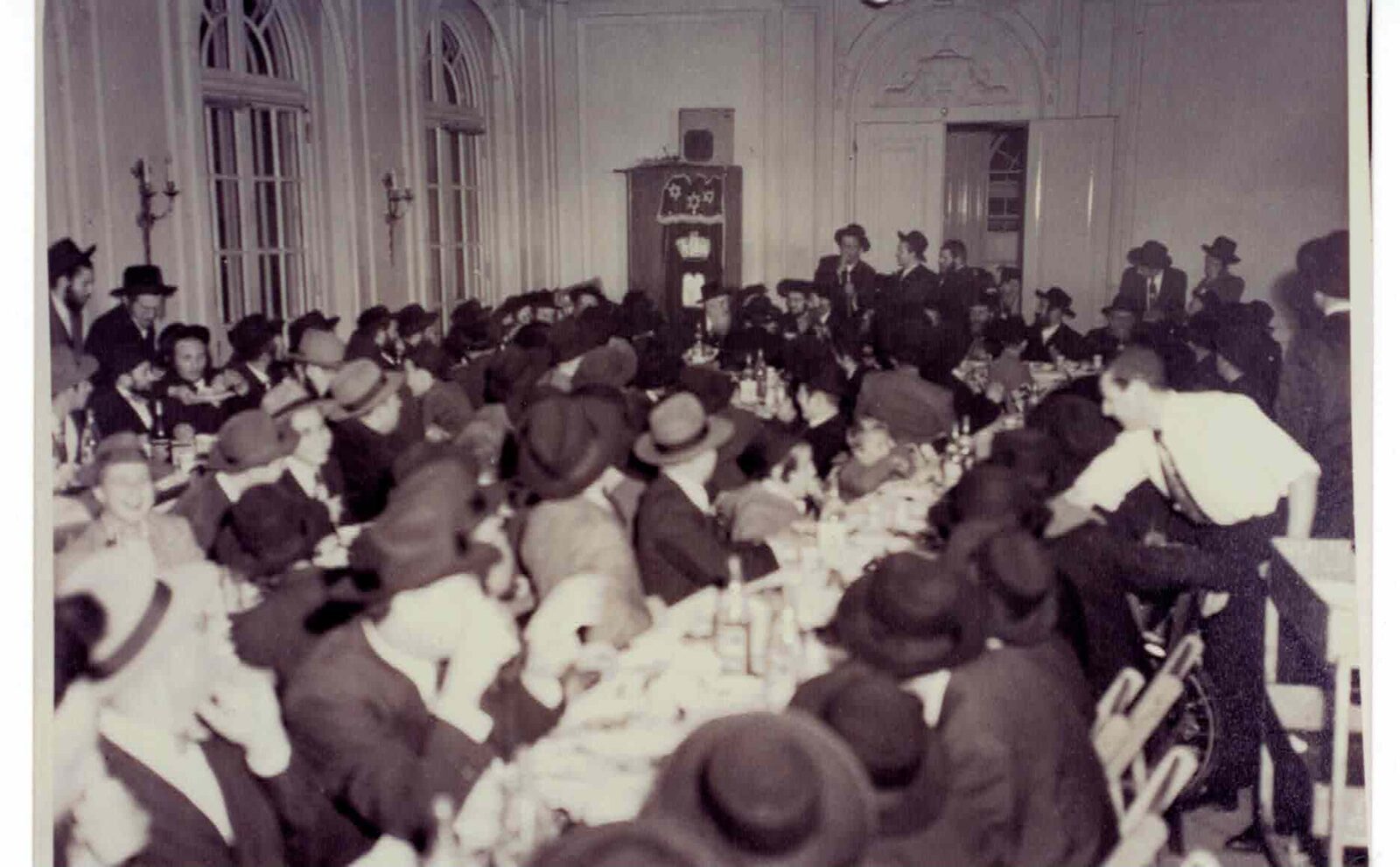
Torah, niggunim, conversations, historical film and the remembered voices of elder Chassidim.
Open the collection →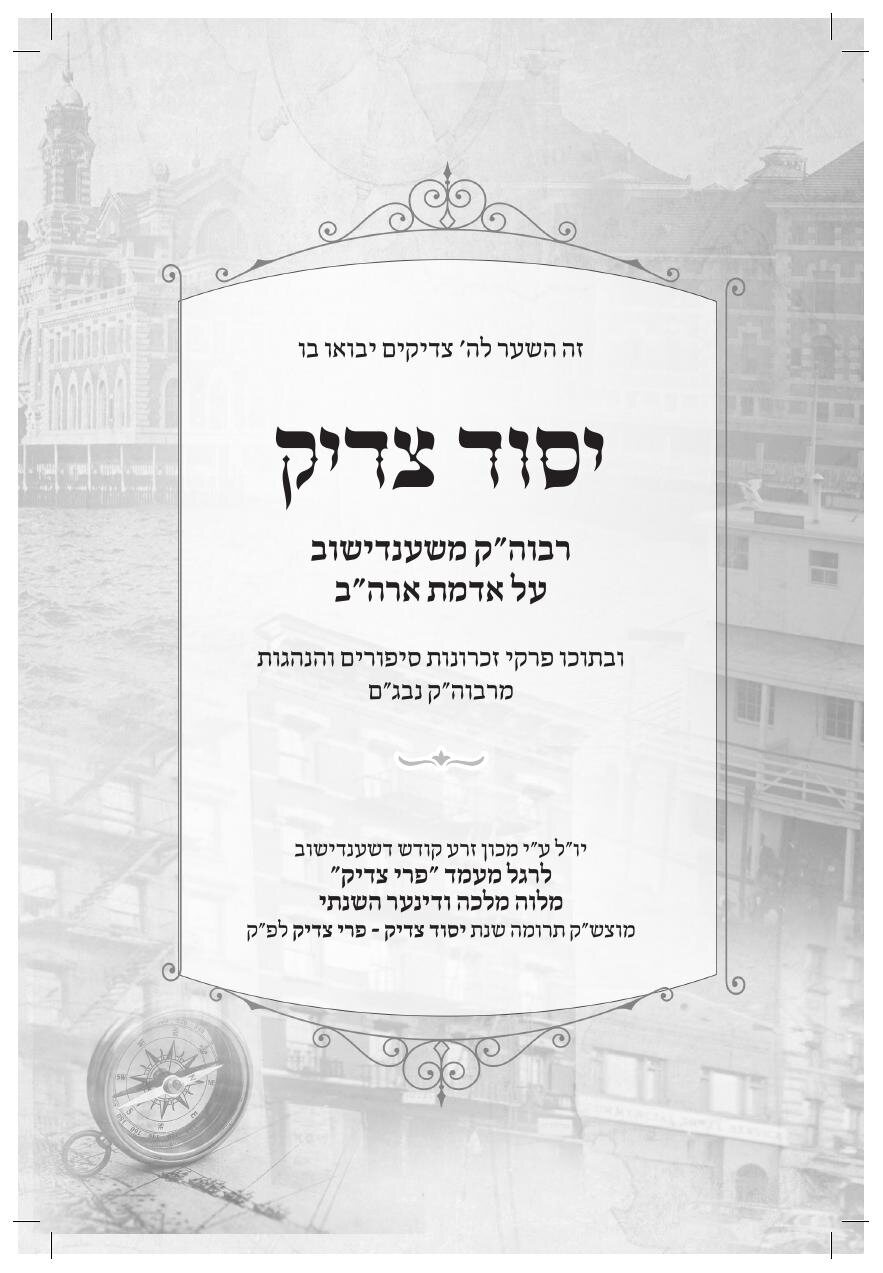
Inherited objects and physical traces recorded with provenance, ownership, condition and meaning.
Open the collection →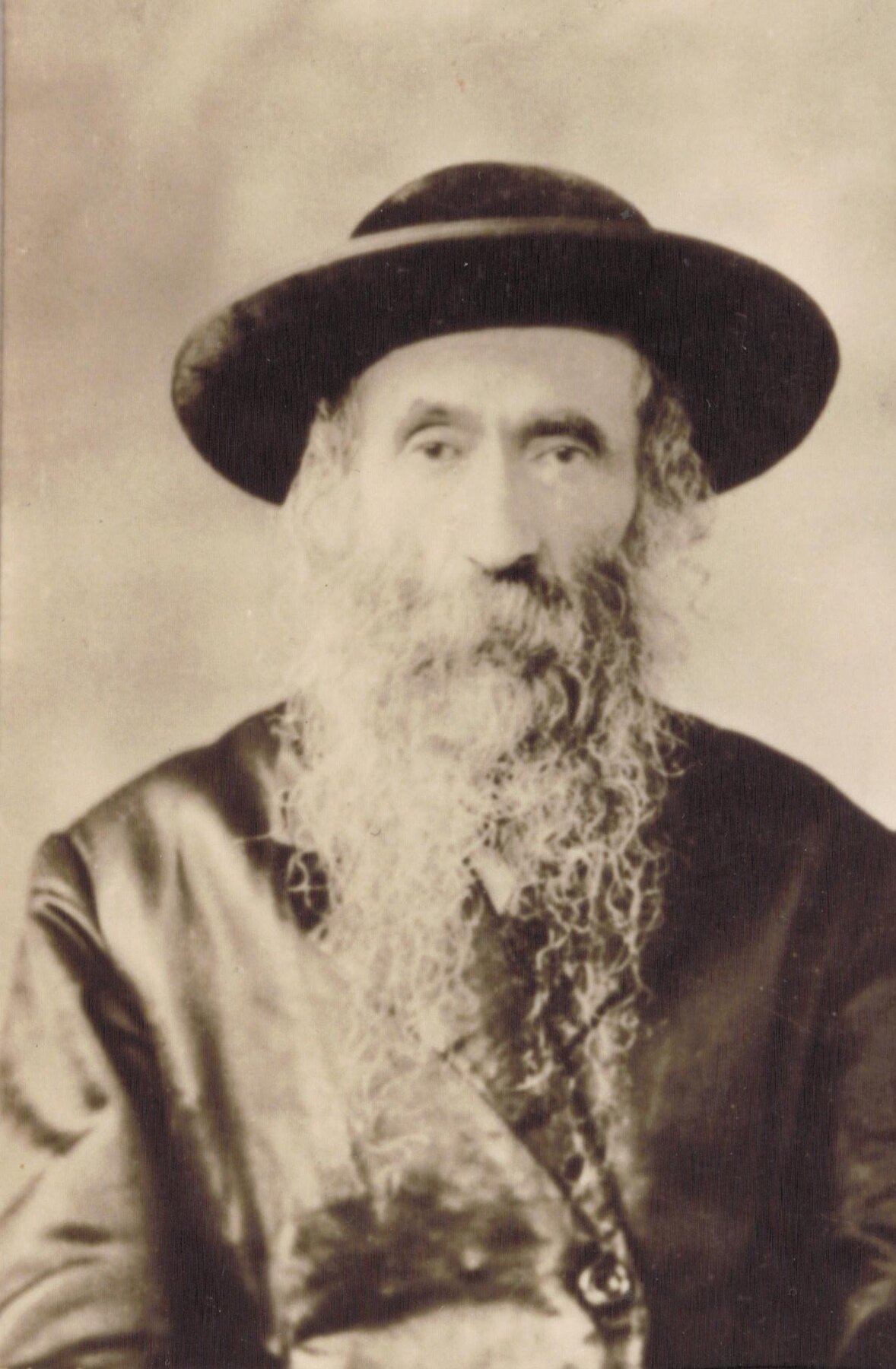
The source record gathered around each Rebbe without removing an item from its permanent archival home.
Open the collection →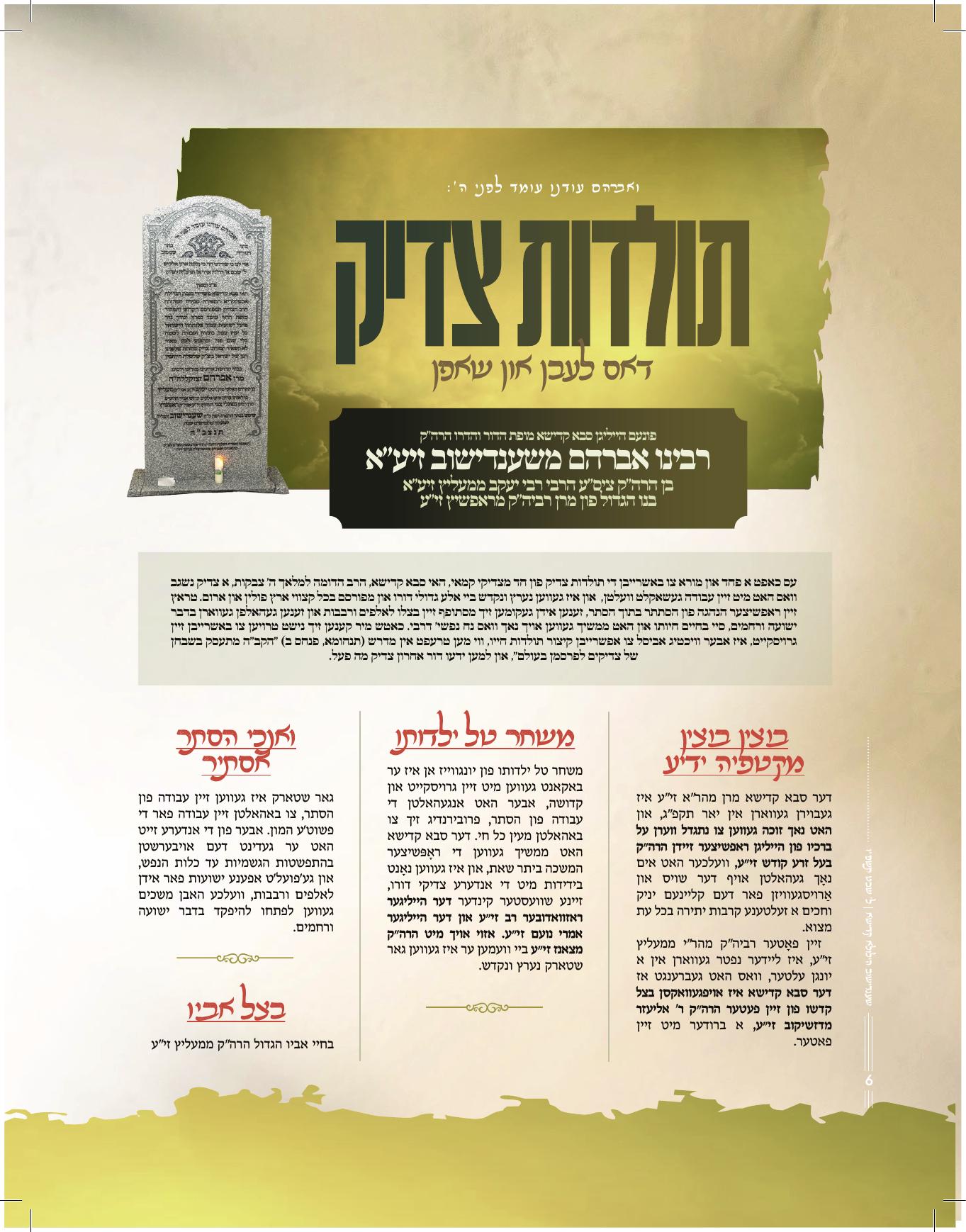
Buildings, batei midrash, kevarim, maps and physical evidence joined to the people and events they preserve.
Open the collection →מתוך התיקים והמדפים
Compact windows into real objects. The document—not the surrounding publication page—is the subject.
Real Wix-hosted archive media record.
Source: Shendishov historical archive
Examine the object ↗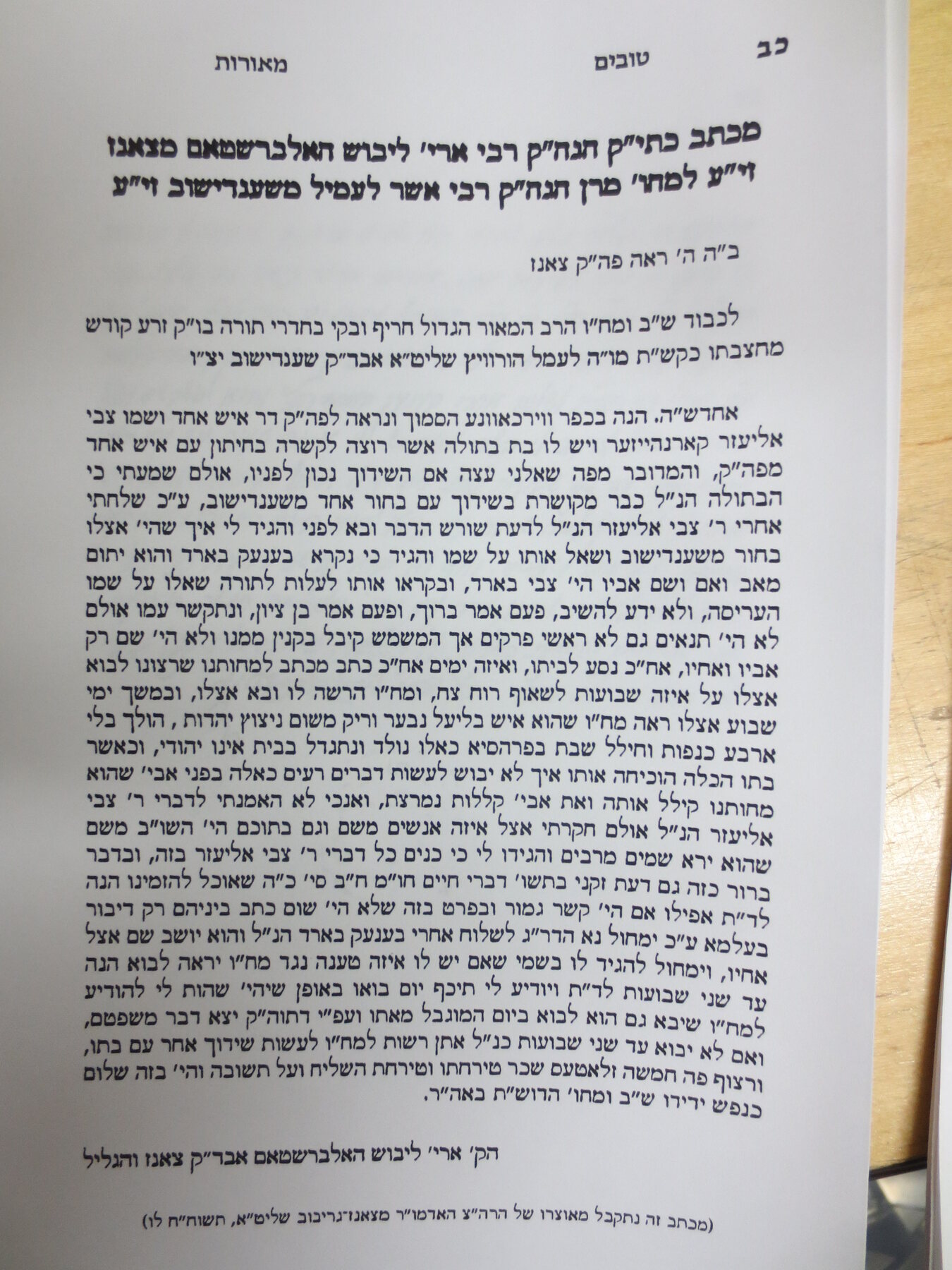
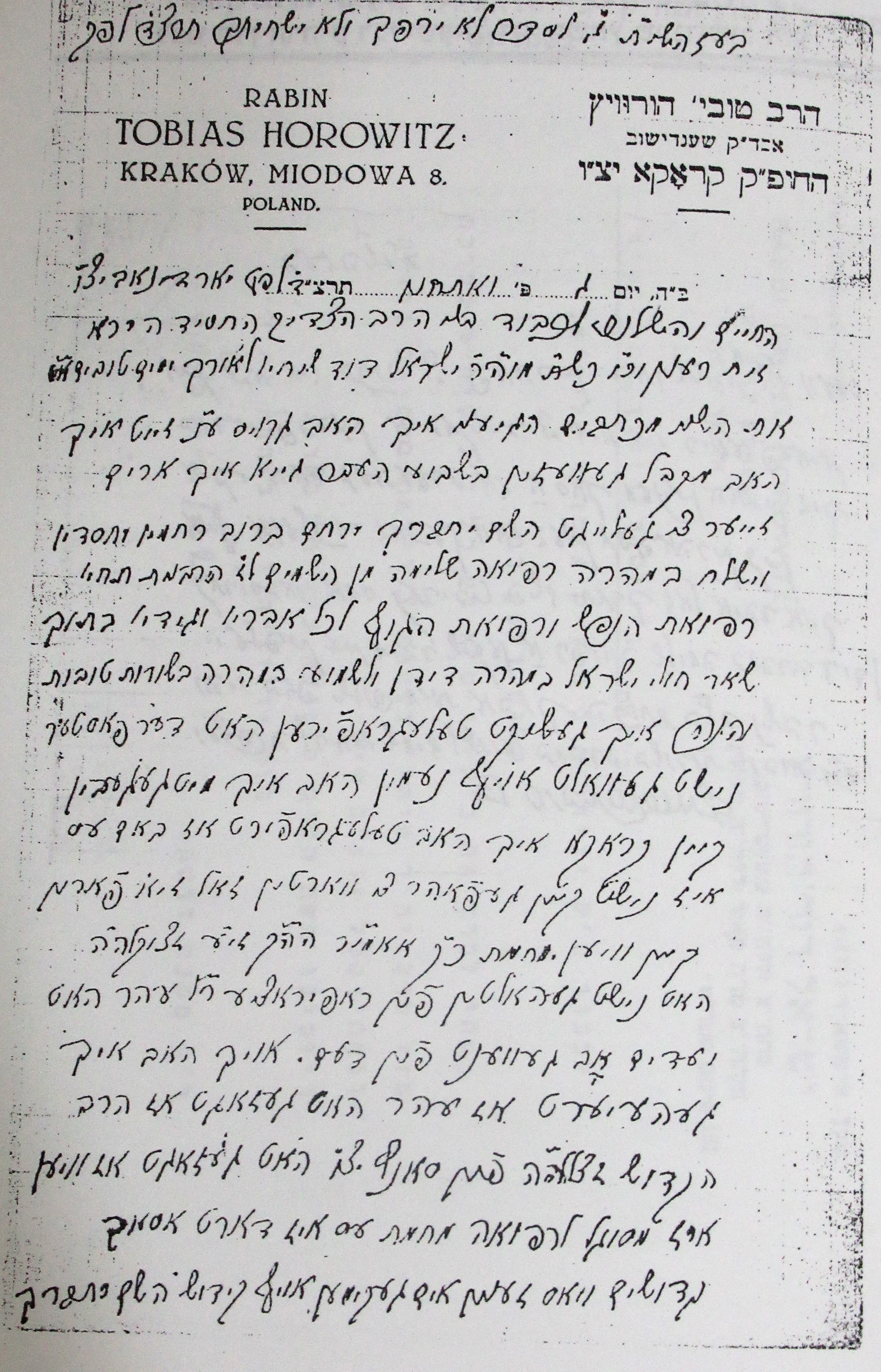
The complete document preserves handwriting, names and physical form. Its attribution and relationships remain attached to the catalog record.
Examine the object ↗A manuscript trace may be brief, yet its handwriting, volume, provenance and related family branch make it a complete archival record.
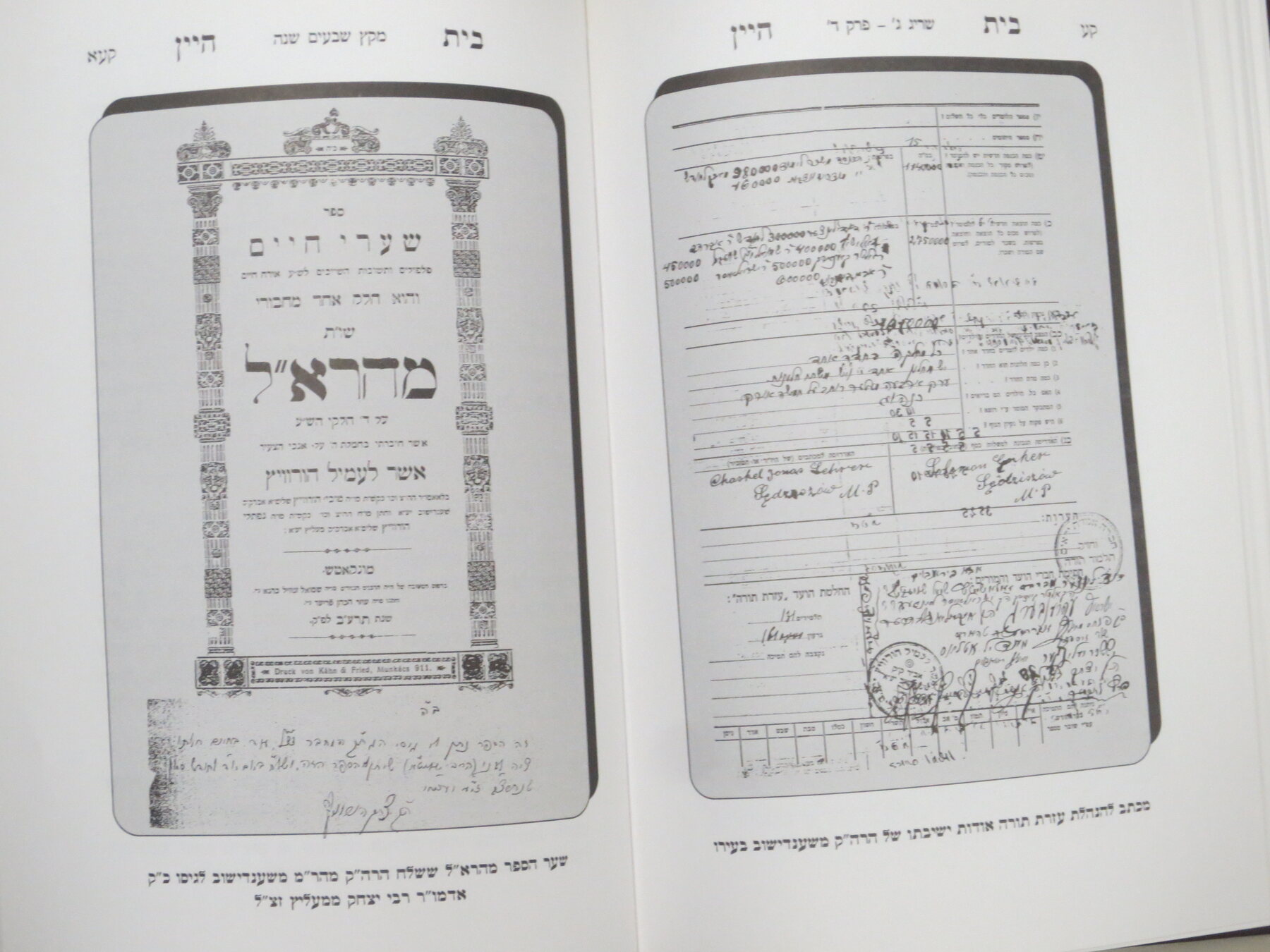
Examine the object ↗The inscription remains in its proper Shendishov–Melitz context and is not presented as a generic Shendishov manuscript.
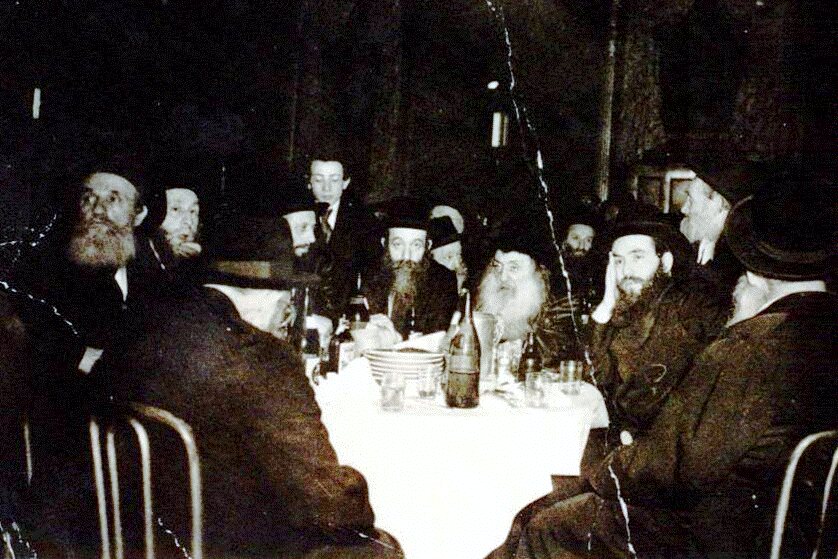
Examine the inscription ↗A photograph becomes useful when the occasion, people, public work and related records can be followed together.
Open its historical context →The bilingual constitution records purpose, membership and communal responsibility inside the larger American collection.
Enter the American context →Here the cover itself is the artifact: a record of when the dispersed American history was first gathered into a sustained publication.
Open the publication record →האוצר לדורותיו
The generation page explains the Rebbe, Torah, court, family and places. The archive preserves the original objects that establish and illuminate that record.
Open the chain of generations →מאוצר לחומר מתועד
Authoritative names, titles, aliases and careful correction of mistaken identifications.
Where the item came from, who preserved it, and how its chain of custody is known.
The people, date, place, event and related records that allow an object to speak.
Established, probable and unresolved information remain visibly distinguished.
Ownership, permission and public-access limits travel with the record.
Original filename, condition, digitization and backup information remain attached.
שמירה · סריקה · זיהוי
The archive protects physical material while also preserving the information most easily lost: the original filename, the person who supplied it, remembered names, the occasion, uncertain identifications, rights, condition and the relationship to other records.
השבת אבידה לדורות
Photographs, invitations, letters, recordings, family albums and remembered details can restore names and connections that would otherwise disappear. Materials are reviewed, identified and placed in their authoritative archival home.