מהרי״דבן מהר״ט · חצר הקודש באמעריקע

Rabbi Yisroel Dovid Horowitz of Shendishov

מהרי״ד · כ״ק אדמו״ר זי״ע

The established American chapter

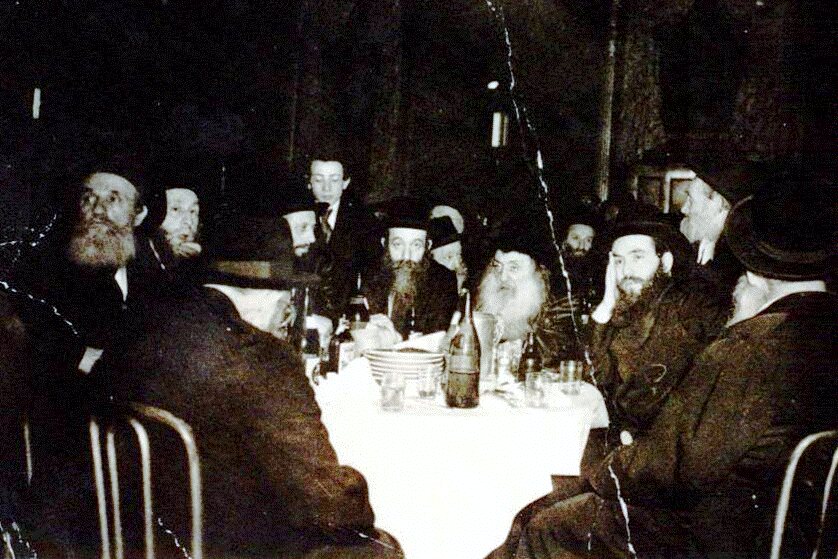
Rabbi Yisroel Dovid at a gathering of Admorim in New York

Biography

Rabbi Yisroel Dovid established the lasting Shendishover court in America before the destruction of Jewish Galicia.

His Lower East Side home and beis medrash were a place of Torah and avodah, hospitality, counsel, relief work, and responsibility for the wider ציבור.

01תורתו ודרכו

Torah and derech

A published address from the 1930s places the beis medrash, friendship, and the presence of Hashem inside one shared idea.

Tovim Me’orot preserves his avodah, personal conduct, chinuch, hospitality, Torah, and the ways in which he received people.

Torah and the living derech →
02חצרו ואנשיו

The court and its people

The sources describe followers in the hundreds: older Shotzer Chassidim, families attached to Shendishov for generations, followers of Rabbi Tuvia, and Jews from other Galician and Polish courts.

He served as a vice president of Agudas HaAdmorim, chaired meetings when needed, and worked for decades through Vaad HaEzra and other relief efforts.

03ביתו והמשך השלשלת

Family and continuation

The direct continuation passed through his eldest son, Rabbi Meir, and from him to the present Shendishover Rebbe.

See the complete chain →

The Lower East Side court

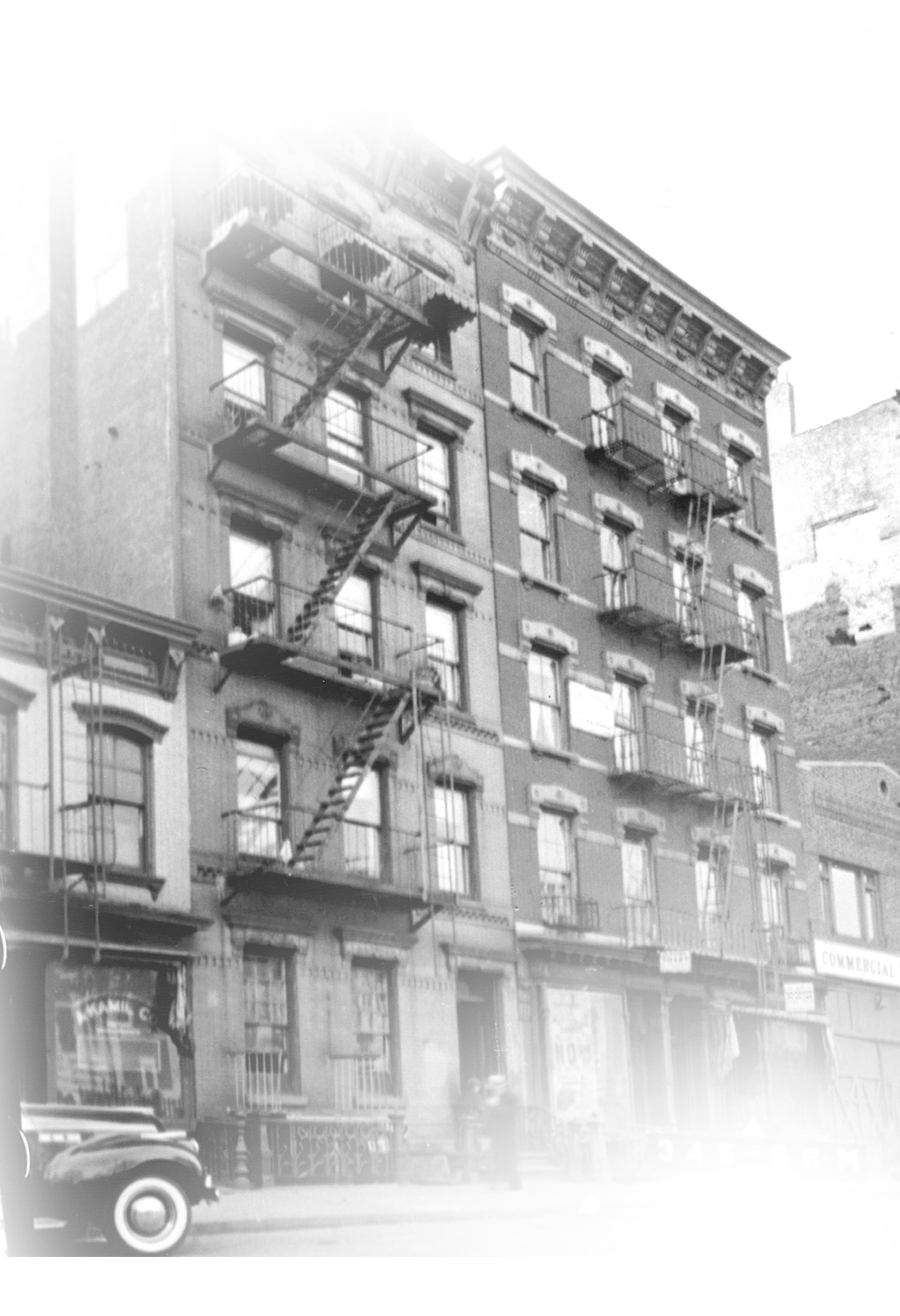
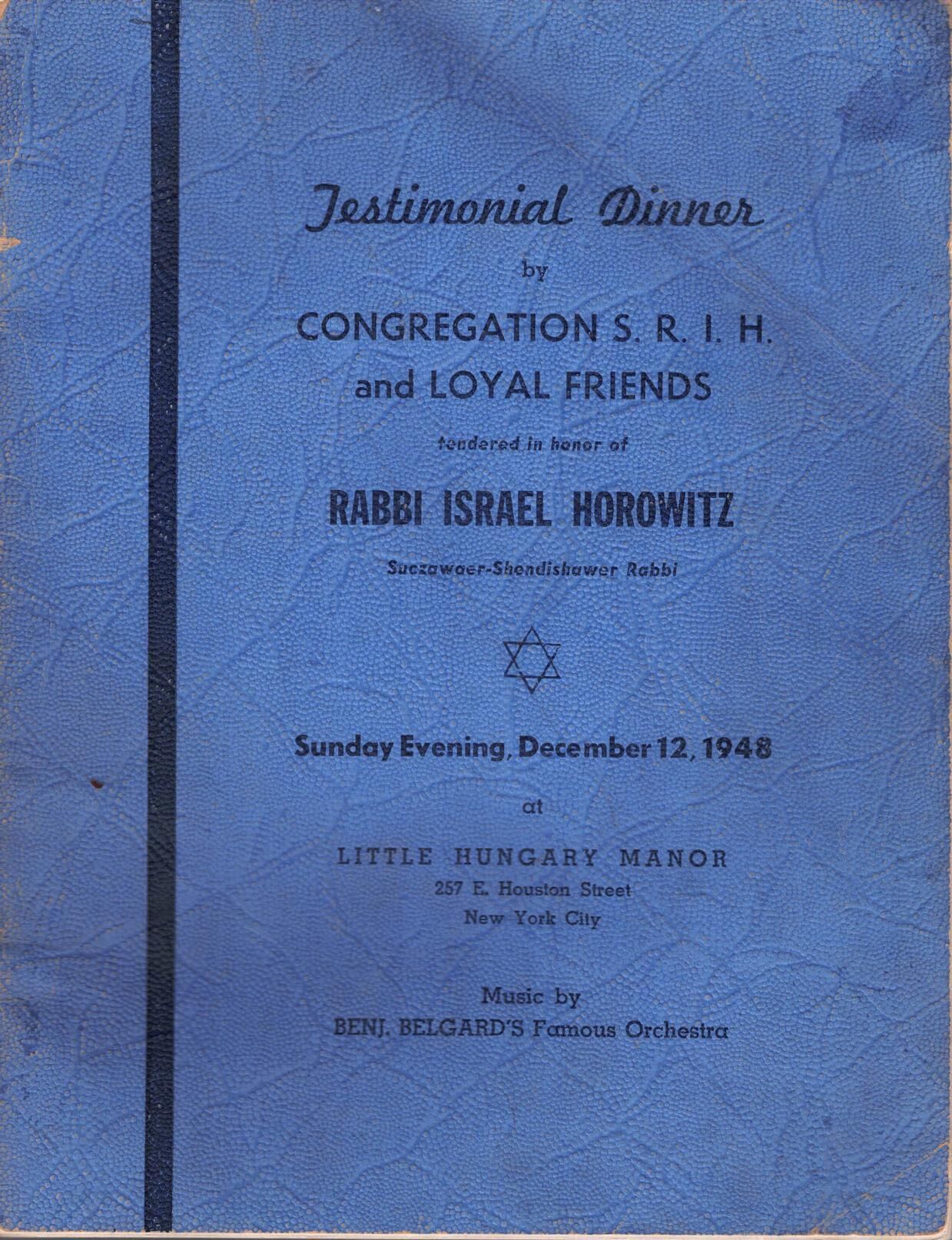
The Rivington Street court, the reported large hall of the 1930s, the 1948 congregation journal, three American cemetery sections, photographs, and testimony preserve its physical and communal setting.

Open the place and its history →
The Lower East Side court

Seforim and original material

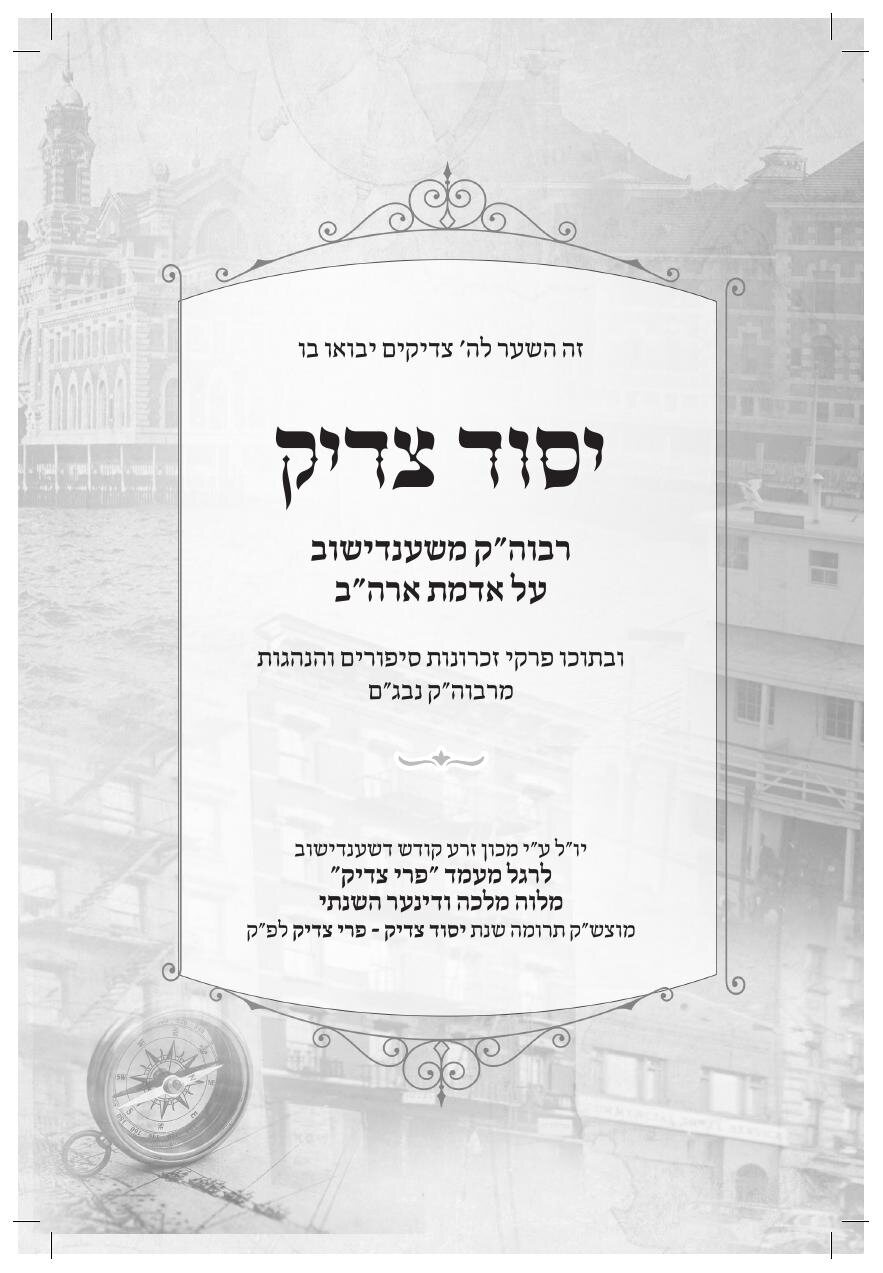
Rabbi Yisroel Dovid in New Yorkכינוס אדמו״ריםRabbi Yisroel Dovid in New YorkThe congregation’s annual journalזשורנאל תש״טThe congregation’s annual journalThe American accountיסוד צדיקThe American account

Letters, voices, memories, and occasions open here in their proper context.

Each item remains one permanent archive record. From this Rebbe’s center it opens directly—not as a duplicate, but through the person, date, place, and source to which it belongs.