Ropshitz and Melitz
The spiritual and familial inheritance from which the distinct Shendishov court emerged, carried through the Torah and הנהגה of the houses of Ropshitz and Melitz.
Follow the dynasty from Galicia to America and the living court today, through its Rebbes, communities, institutions, seforim, journeys, and public life.
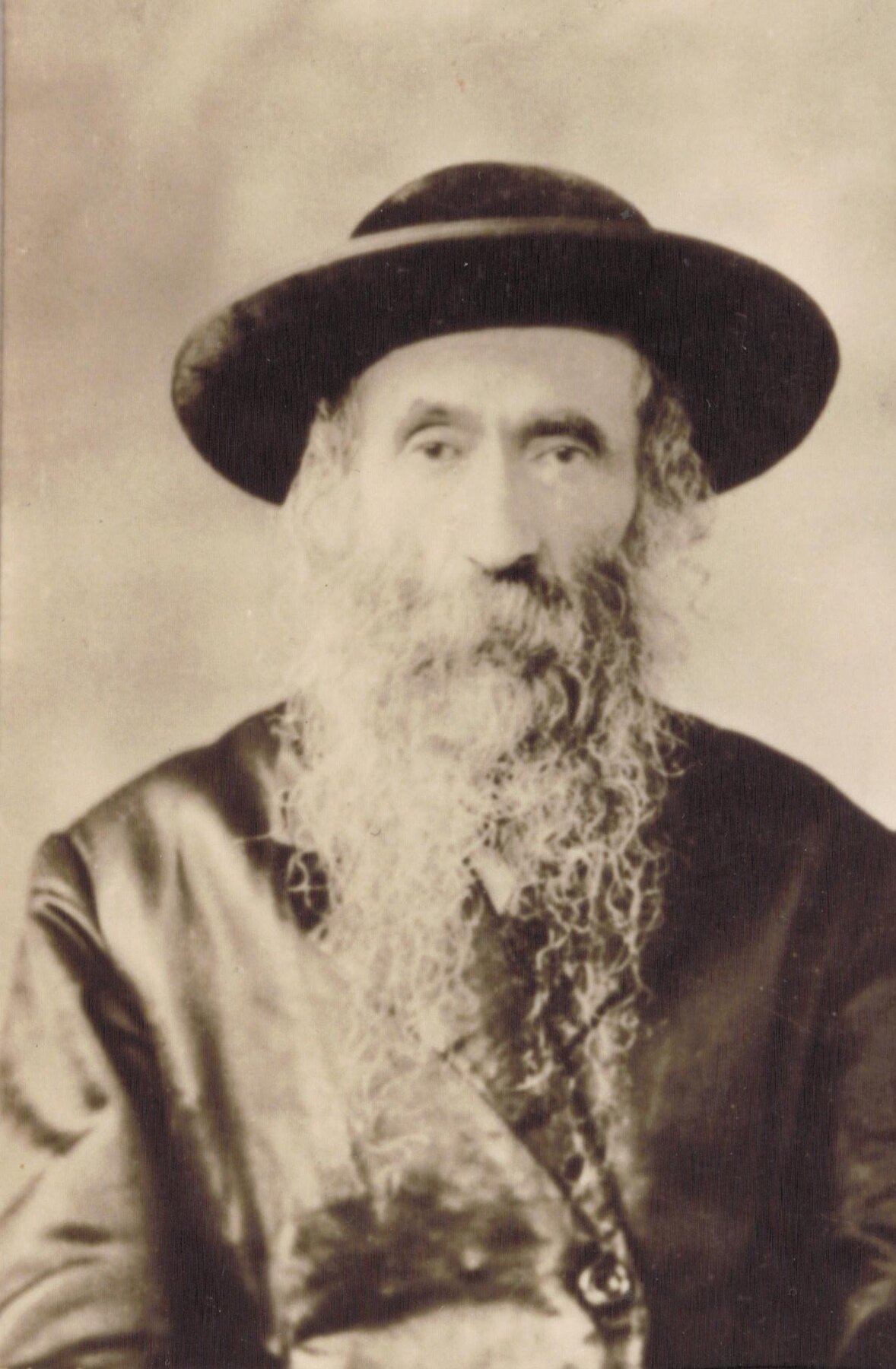
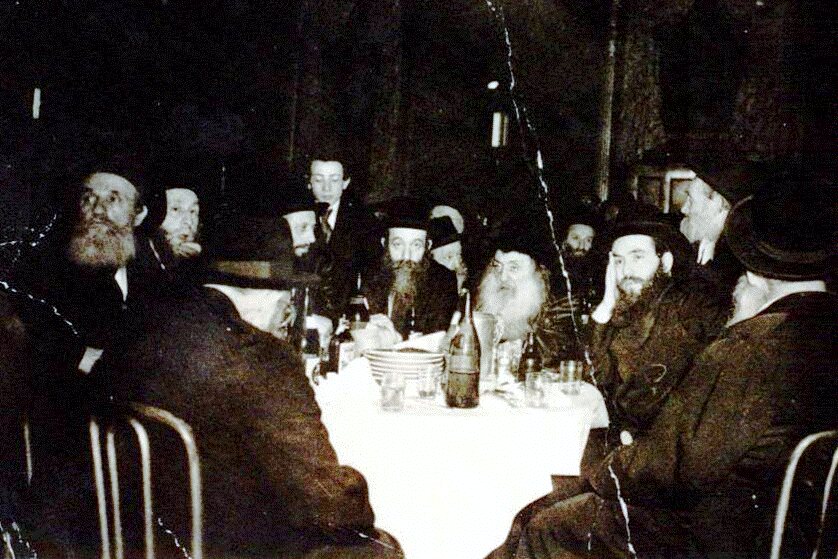
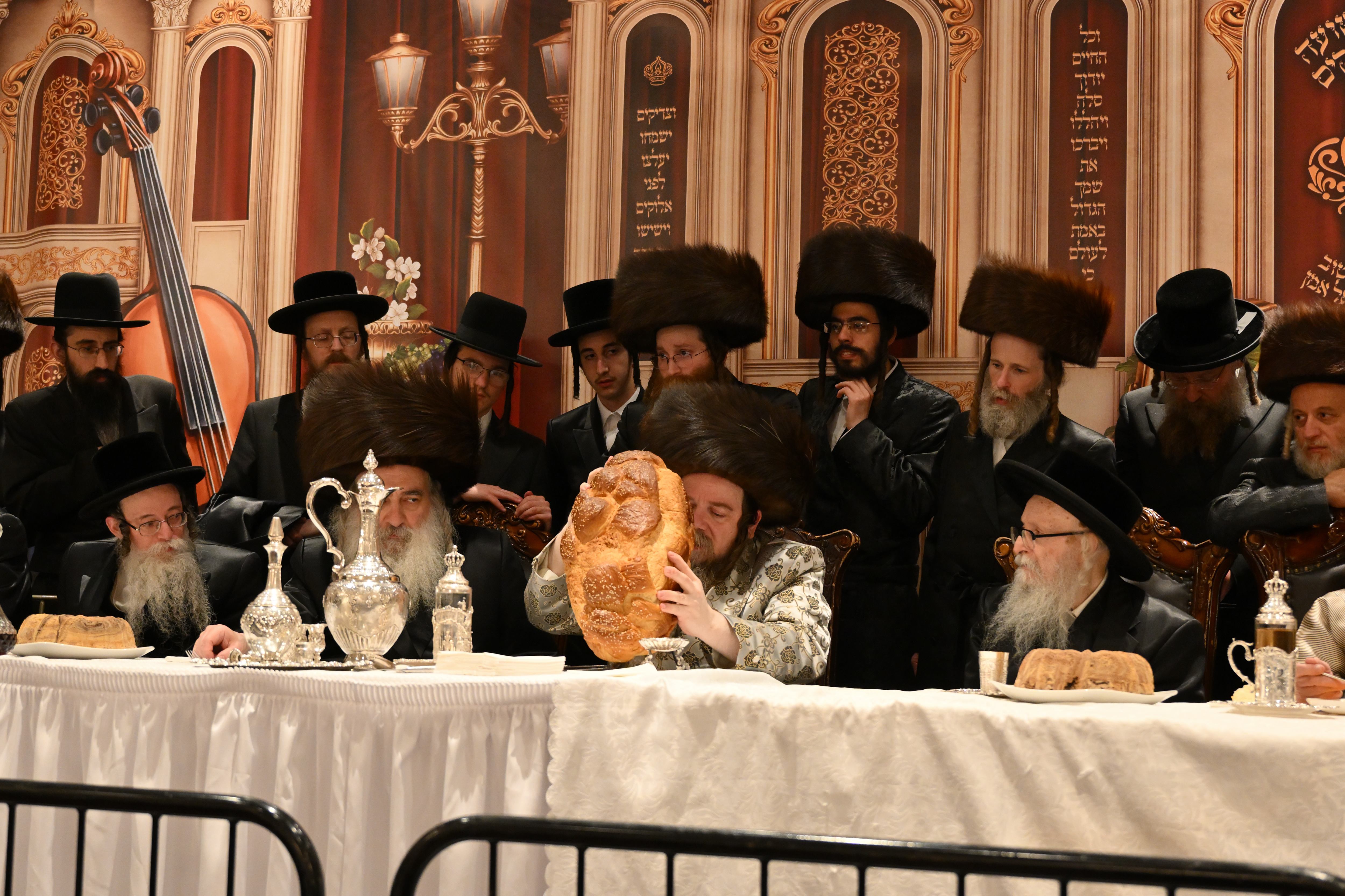
The spiritual and familial inheritance from which the distinct Shendishov court emerged, carried through the Torah and הנהגה of the houses of Ropshitz and Melitz.
רבי אברהם משענדישוב established the distinct Shendishov court in Sędziszów Małopolski. Its story includes his Torah and הנהגה, the family, the town, and responsibility for the wider ציבור.
The court continued through successive generations. Their Torah, הנהגה, families, institutions, and places form the main bridge from Galicia into the American chapter.
Yisod Tzaddik records three journeys and dates the departure after the third visit to 17 Adar I 5689—February 27, 1929—from Pier 86 in Manhattan. Press and travel records remain the next comparison layer.
The Lower East Side court stood within wider rabbinic and communal networks. Contemporary newspapers, congregational records, and surviving accounts preserve the scale and reach of that public life.
War and destruction altered the expected course of the dynasty. Rabbi Yisroel Dovid Horowitz carried the established American chapter forward from the Lower East Side, preserving a living connection with the house of Shendishov.
The congregation’s annual dinner journal preserves a detailed picture of its people, officers, institutions, advertisements, photographs, and the place of the Shendishover Rebbe within that communal world.
Rabbi Meir Horowitz carried the inheritance of his father into a changed American setting, preserving Torah, family memory, practice, and connection across another period.
Work with elders, manuscripts, publications, photographs, and family memory increasingly joined preservation with a renewed life of Torah and מסורה.
The Rebbe’s Torah and avodah gave renewed life to the inherited path; seforim, niggunim, publications, and the sustained building of Pnei Chaim carried that light to a wider ציבור.
The present Shendishover Rebbe gathered and renewed the continuation through Torah, avodah, counsel, community, publications, holy-site preservation, and reconnection across families and places.
Each period is illuminated through the records it left behind: Torah, family memory, congregational documents, cemetery records, publications, photographs, and the testimony of those who were there.