מכון זרע קודש · מפעל הספרים
How scattered memory became a treasury
Tovim Me’orot, P’ninei Or, Otzar HaMoros, Matov Nehora, Yisod Tzaddik, and Pnei Chaim form one developing work of rescue, learning, and transmission.
The first task: save
The early Tovim Me’orot collections preserve Torah, oral traditions, biographies, family memory, manuscripts, letters, clippings, and memorial pages. Their density is part of their importance: material that might otherwise have disappeared was gathered before a complete public story could be written.
From archive to shared language
Medor Ledor and Otzar HaMoros introduced a more visual and continuous account. P’ninei Or and Matov Nehora made the Rebbe’s Torah, schedules, minhagim, historical pieces, and the recurring life of the court available to אנשי שלומינו near and far.
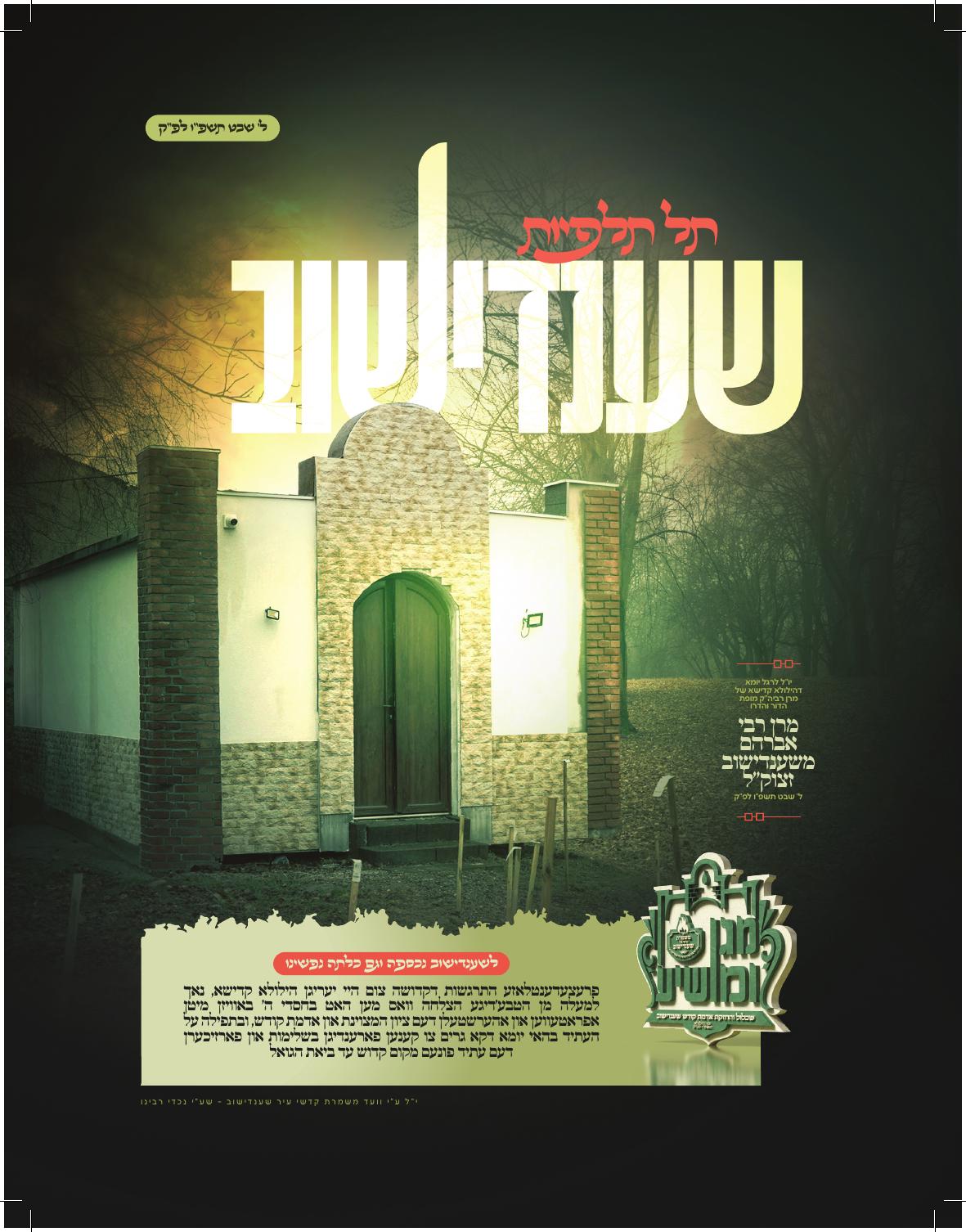
Yisod Tzaddik gathered the American chapter through maps, documents, newspapers, photographs, and memories. Pnei Chaim gathered years of the Rebbe’s Torah into a substantial sefer. Journey publications and the newest cemetery record connect the archive to physical places and present responsibility.
The next form
The website continues the same work in a different vessel. A name can lead to a generation, a photograph to an occasion, a teaching to its printed source, and a place to documents, testimony, and present work. The aim is a connected בית אוצר—not a shelf of disconnected pages.
Old articles, enlarged by later work
The earlier articles remain the core witnesses, but they are not frozen in their first printed form. Unpublished notes, correspondence with writers, identifications supplied after publication, book plans, new documents, and later research can restore missing names and context. When verified, those additions are woven into the article itself; unresolved material remains in the research file until it can be stated responsibly.