מאורעות בחצרות קדשינו · תש״פ
The hillula returns the present court to Shendishov
On the yahrzeit of Rabbi Avraham Horowitz, the first Shendishover Rebbe, the present Rebbe and a ציבור of descendants and אנשי שלומינו returned to the town from which the dynasty took its name.
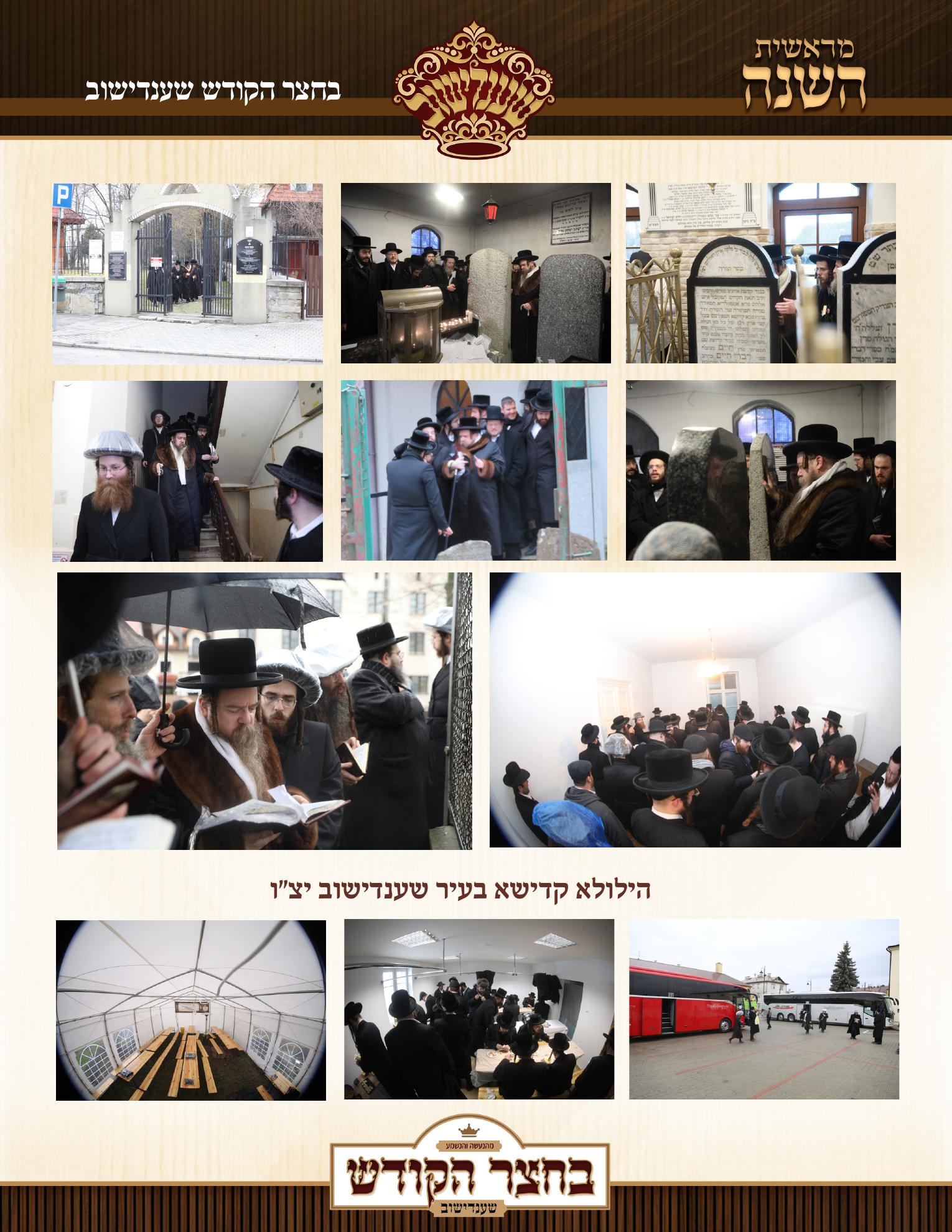
Returning to the first Rebbe
Rabbi Avraham established his court in Shendishov in Galicia, and his resting place remained there after the Jewish life of the town was destroyed. For later generations in America, the town was carried through Torah, family memories, old publications, and the name of the court itself. The journey returned that inherited name to a physical place.
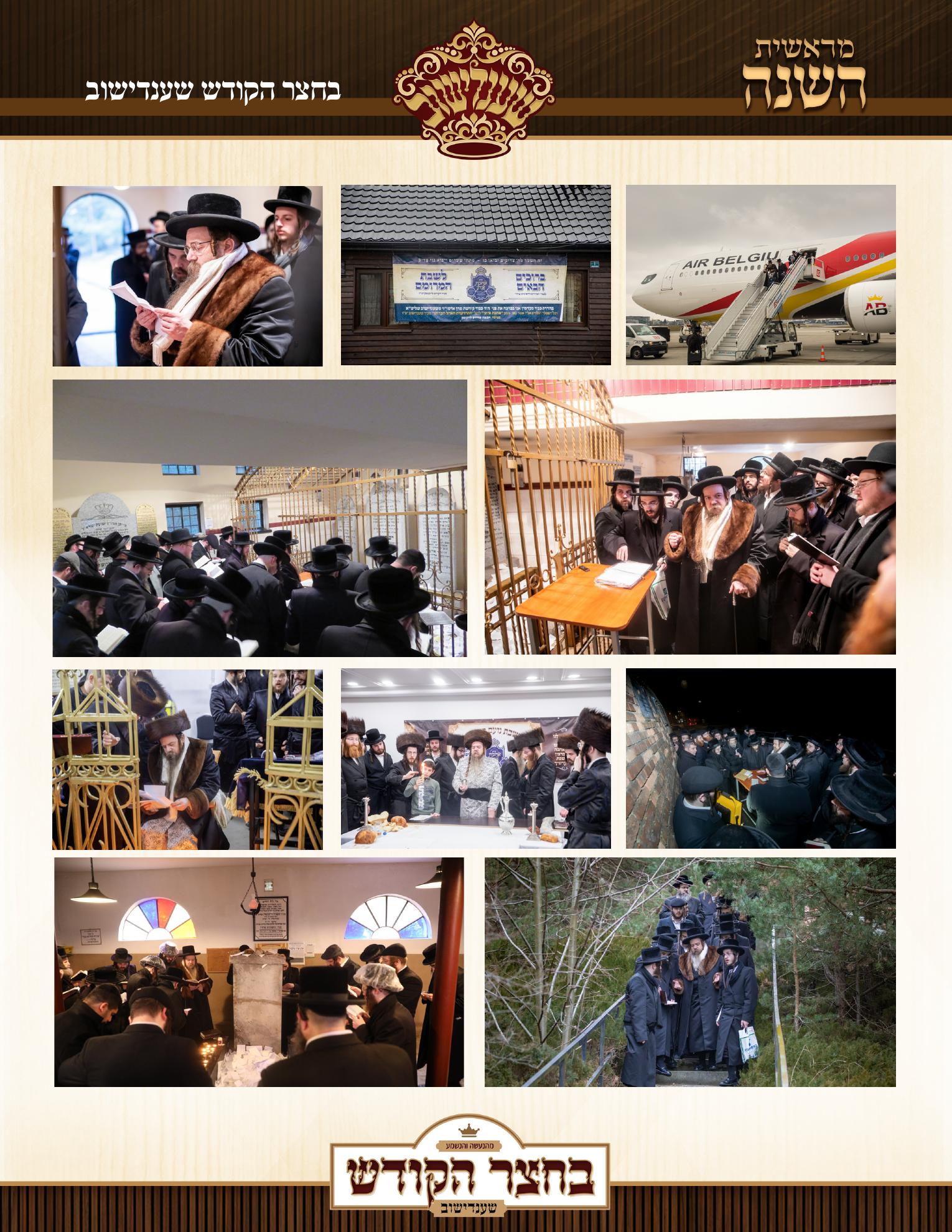
The hillula drew the ציבור to the ohel for tefillah. In the Rebbe’s presence, the visit joined personal requests and family memory with the larger chain from Ropshitz and Melitz to Shendishov and America.
A journey through the roots
Shendishov stood within a wider route through the sacred geography of Galicia and Poland. The group traveled to kevarim of tzaddikim and to places bound to the ancestry and Torah of the dynasty, with the Shendishover hillula at the heart of the journey.
The detailed itinerary, transportation, lodging, tefillos, and gatherings turned the trip into a communal undertaking. Preparation allowed participants to understand whom they were visiting and how each place belonged to the chain.
The cemetery becomes a present responsibility
Arrival at the cemetery also made its physical condition impossible to ignore. The ohel, the graves, the approach to the site, and the nearby mass grave all required practical care if future generations were to return with dignity.
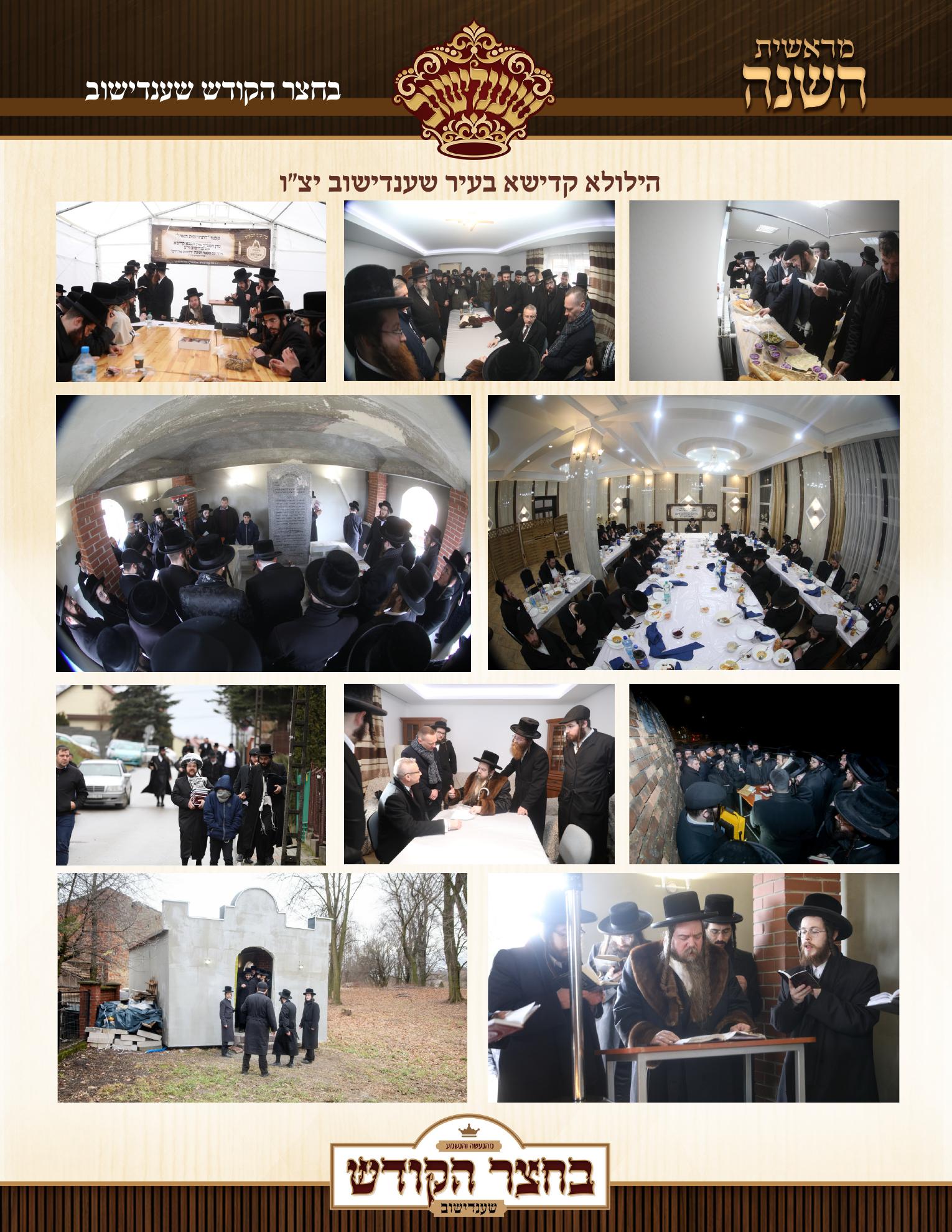
The journeys therefore became part of the road toward restoration. Prayer led to responsibility: securing access, maintaining the ohel, protecting the cemetery, improving hospitality, and preserving the memory of the Jews murdered there. The town ceased to be only a chapter from the past and became a place of present avodah.