תש״ט · ציבור ומוסדות
The people behind the 1948 Shendishover dinner
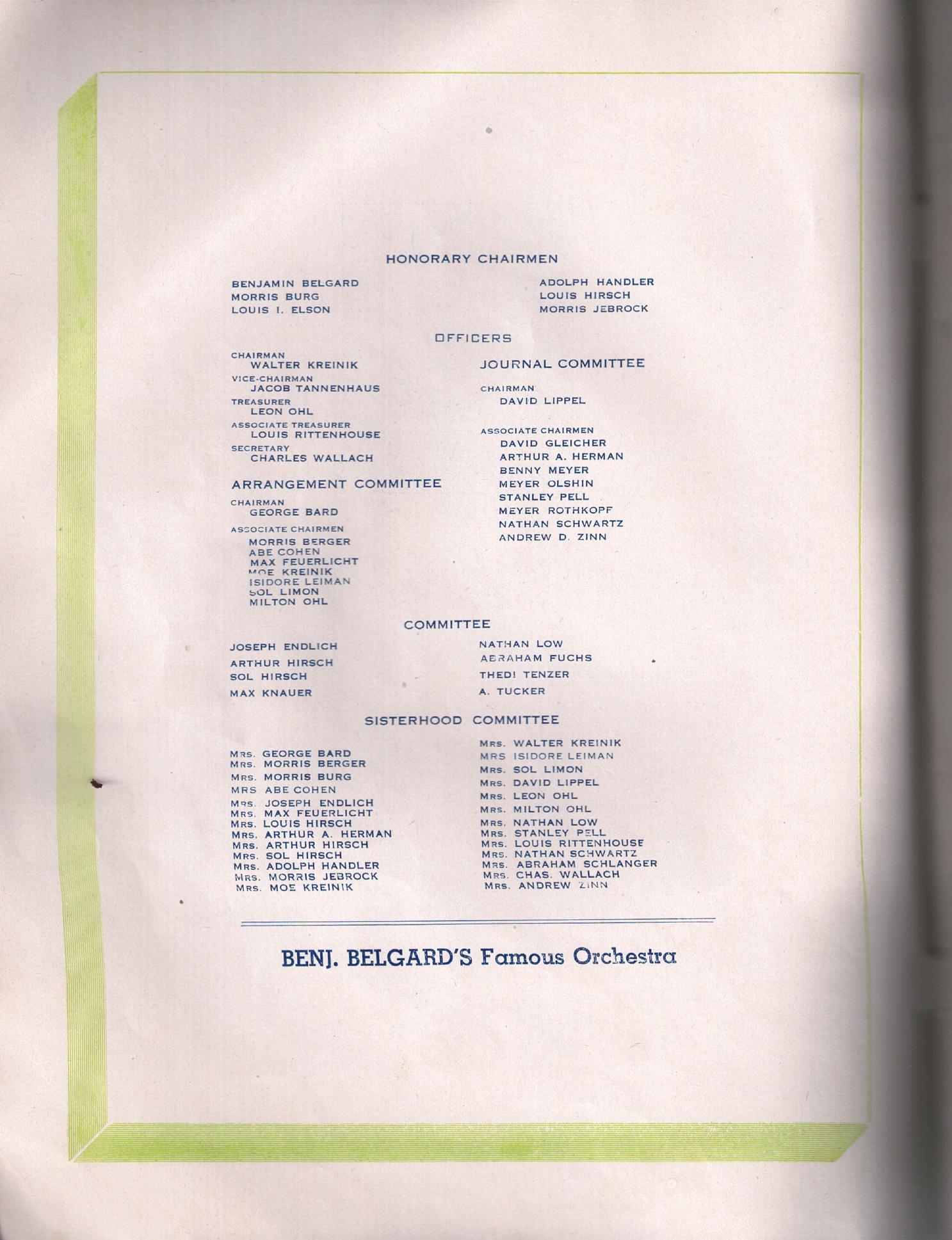
Behind the 1948 testimonial dinner stood a broad circle of officers, organizers, hosts, and loyal friends. Their names open a window onto the people who sustained the Shendishover court in New York.
From landsleit to a congregation
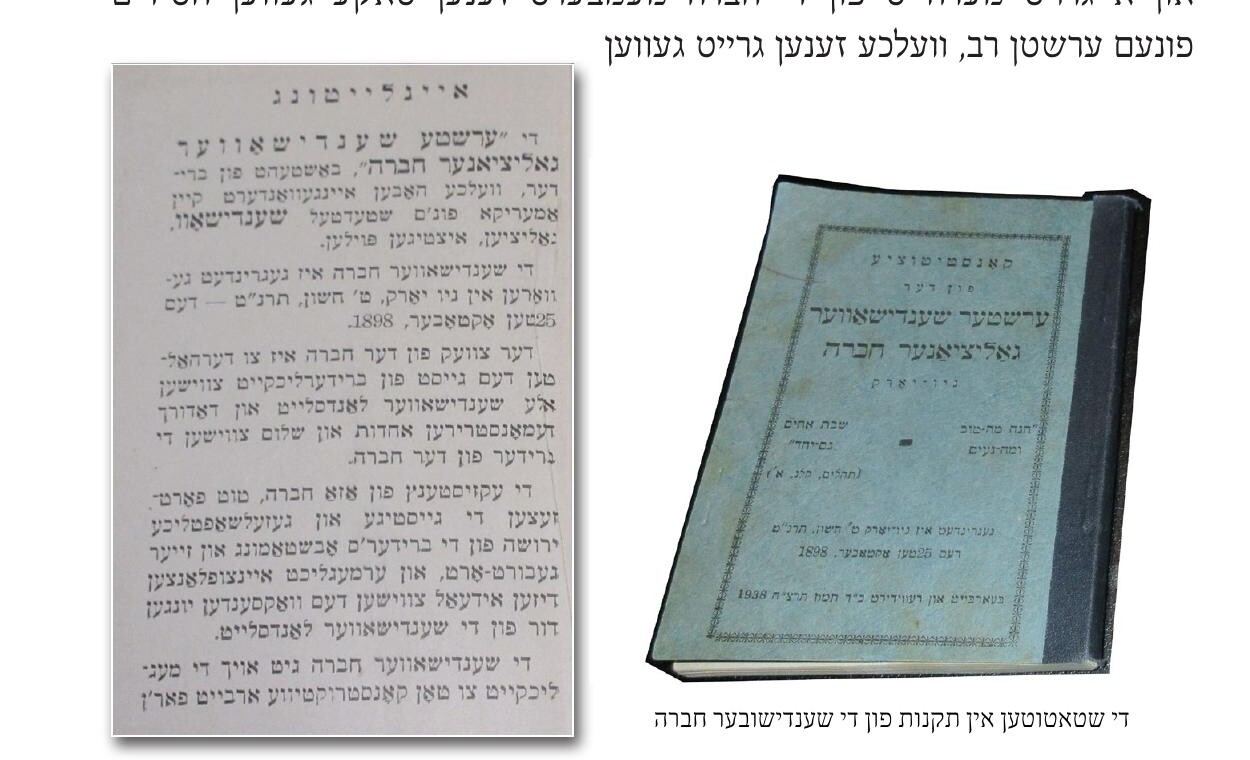
The American Shendishover ציבור did not appear suddenly in 1948. Jews from Shendishov and the surrounding Galician towns had organized in New York decades earlier. They established societies, gathered for tefillah, cared for members in need, and retained memories of the rabbanim and Rebbes of home.
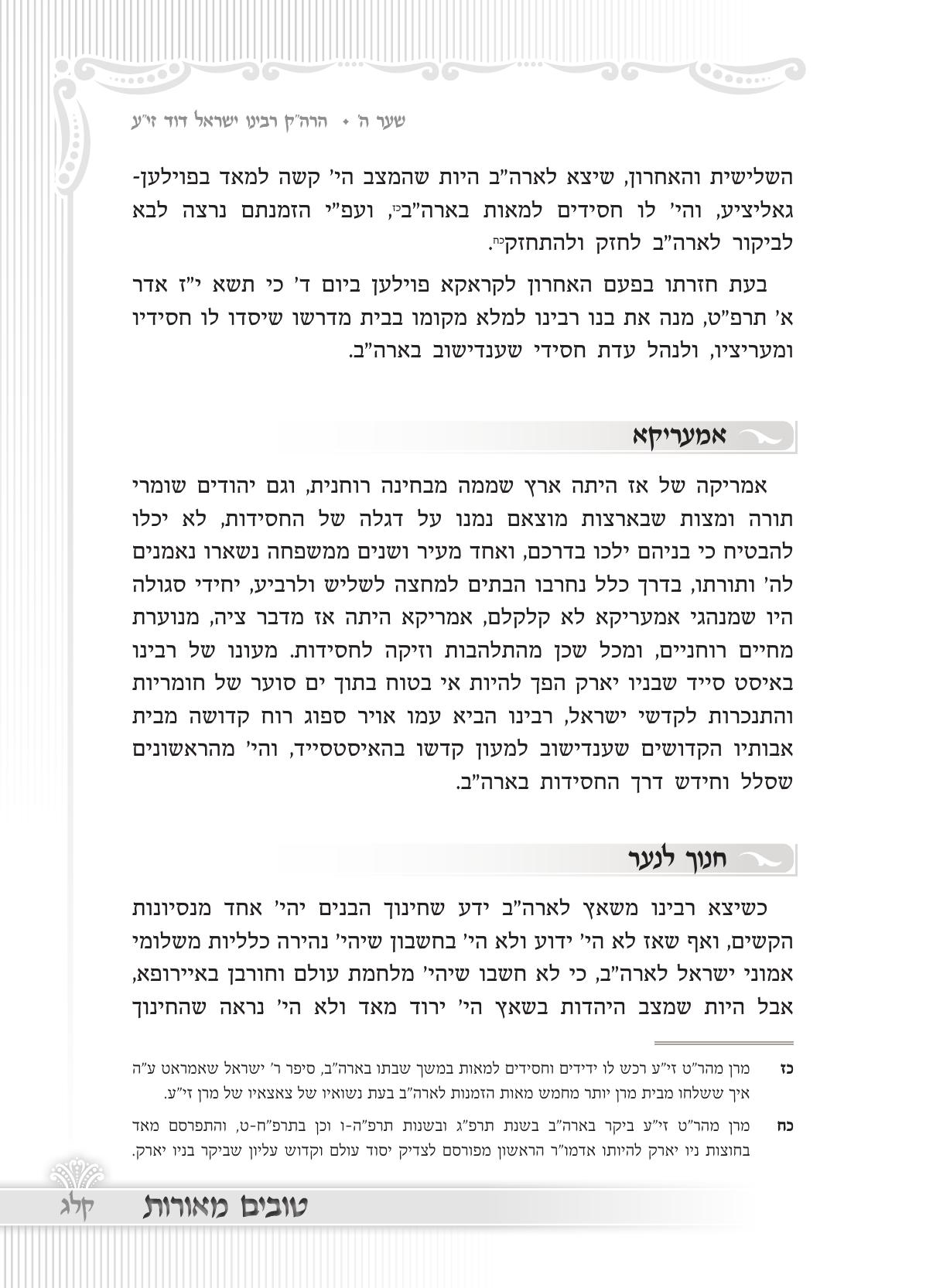
With the arrival and settlement of Rabbi Yisroel Dovid Horowitz, those older loyalties could gather around a living Rebbe. Families attached to Shendishov were joined by Shotzer Chassidim, immigrants connected to other Galician courts, rabbanim, and Jews who had come to know the Rebbe in America.
The work behind the honor
The committee page assigns distinct tasks. The journal committee prepared the printed book and gathered support; the arrangement committee built the evening; the reception committee stood at the door and received the guests. Above them, honorary chairmen lent their names and standing to the occasion.
That division of labor tells the story of a functioning ציבור. A Rebbe’s court required regular people to carry responsibility: arranging gatherings, maintaining the beis medrash, raising funds, welcoming visitors, and answering the needs that reached the Rebbe’s home.
Names that continued beyond one evening
Many families who appeared around the court remained connected through tefillah, yahrzeits, simchos, cemetery societies, and later generations. Others belonged especially to this period of the Lower East Side. Together they show the breadth of the circle without turning every participant into the same kind of Chassid.
The dinner thus offers something rare: a moment when the usually quiet labor of communal continuity became visible in print. The Rebbe stood at the center, but an entire ציבור stood with him.