מפעל התורה · תשע״ב–תשפ״ג
From small weekly sheets to a lasting Torah treasury
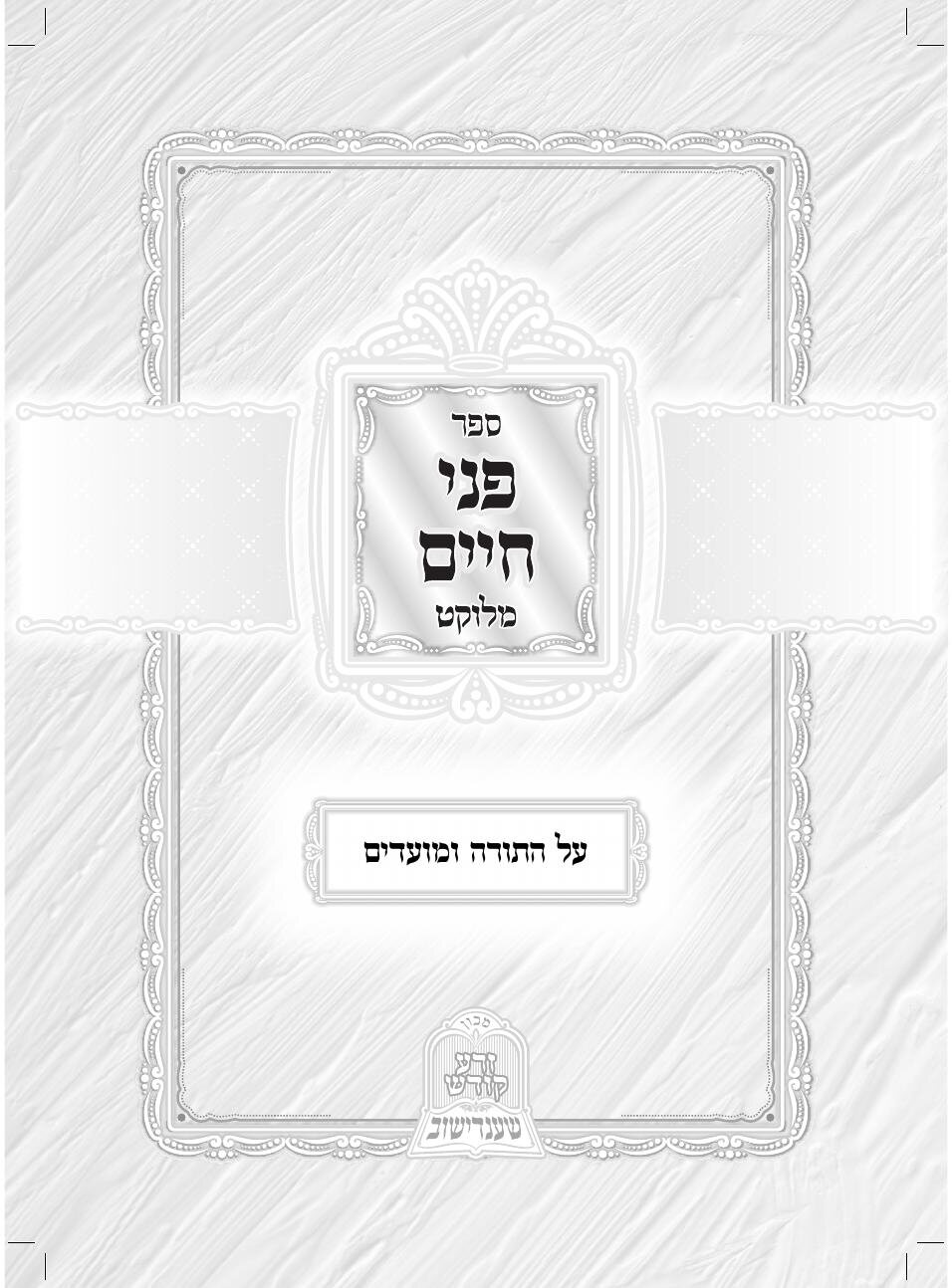
The publication record shows a continuous editorial path: early P’ninei Or sheets, the illustrated Otzar HaMoros and Matov Nehora issues, collected festival volumes, and finally Pnei Chaim—a 545-page sefer built from years of the Rebbe’s Torah.
The first sheets
P’ninei Or began as a direct vehicle for Torah and guidance connected to the parshah and the life of the court. Surviving issues preserve the early editorial voice, the role of Igud Bachurei Shendishov, and the joining of the present Rebbe’s Torah to the path of Shendishov and Ropshitz.
The sheets show the work before it became a large sefer: recurring learning, writing, distribution, and contact with readers near and far.
A mature illustrated publication
Otzar HaMoros and Matov Nehora widened the form. Torah and minhagim appeared beside biographies, historic photographs, documents, letters, current notices, and appeals for unidentified material. The publication became both a beis medrash on paper and an instrument for gathering memory.
The Pesach 5776 issue identifies itself as the first of a new series; the Shavuos issue as the second. By 5778, longer issues show a developed editorial system with recurring departments and substantial source work.
Old material was not discarded
The 92-page Pesach collection printed in 5781 preserved earlier P’ninei Or and Matov Nehora issues in their original forms. The publications were treated as a developing record, not disposable announcements.
Pnei Chaim
Pnei Chaim brought years of notes, spoken Torah, published sheets, seasonal teachings, checking, and arrangement into a major sefer. Its scale makes visible what the small issues had been building all along: a body of Torah ordered across parshiyos and the Jewish year.