א שטאט מיט א לעבן
שענדישוב · Sędziszów Małopolski
די הייליגע שטאט וואס האט אמאל געווירבלט. און ווערט נישט פארגעסן.
The Jewish town that gave Shendishov its name—its court and community, homes and batei midrash, families and institutions, destruction and memory, the ohel and cemetery, and the living responsibility that brings people back today.
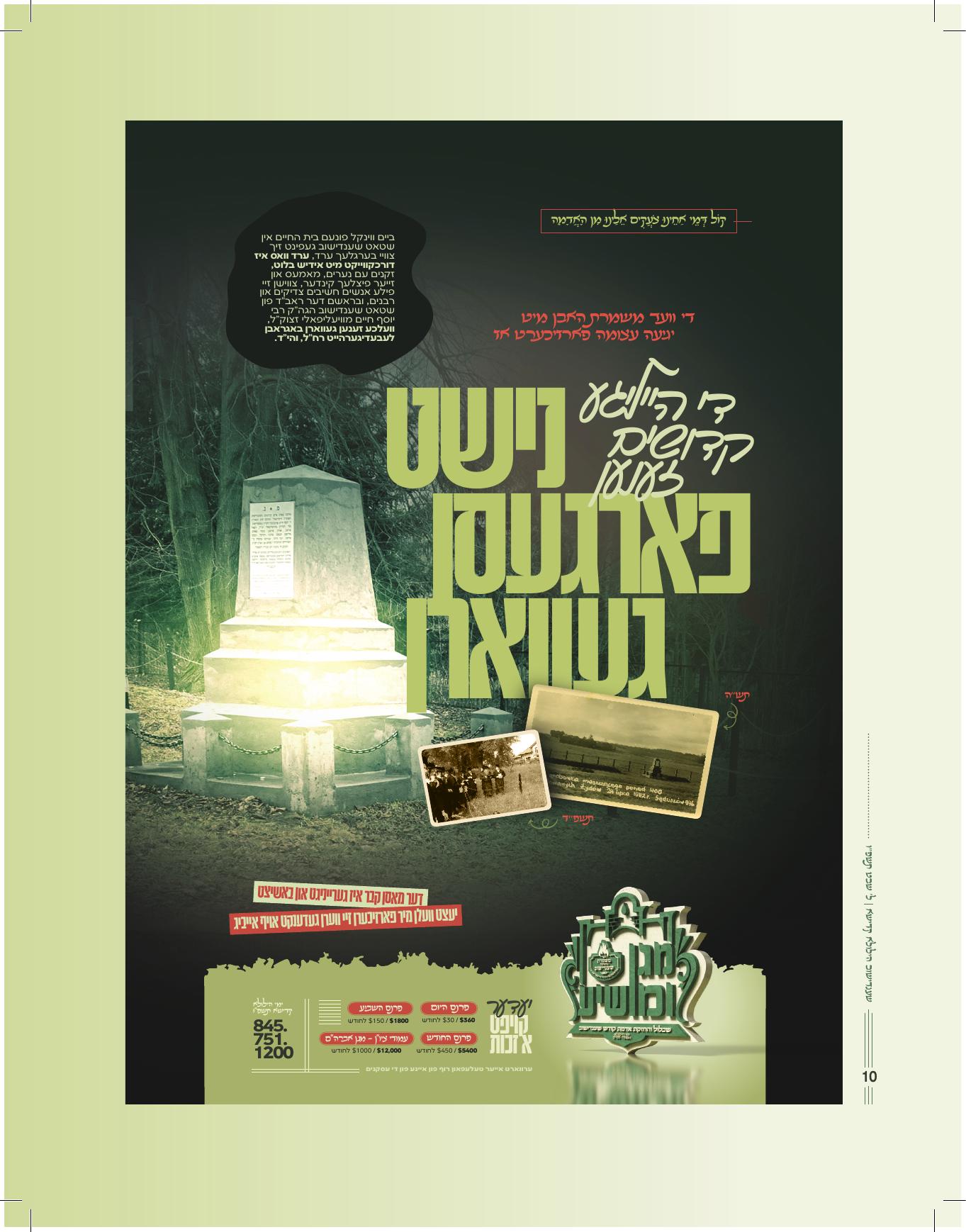
נייעס און פריש צוגעלייגט
Latest from Shendishov
אדמת קודש
The sacred place
Ohel · cemetery · mass grave · kevarimEnter the site →א לעבעדיגע שמירה
ועד משמרת קדשי העיר
Rescue · restoration · care · hospitalitySee the work →אייער שורש אין שטאט
Families & descendants
Names · homes · records · memoriesFind the family trail →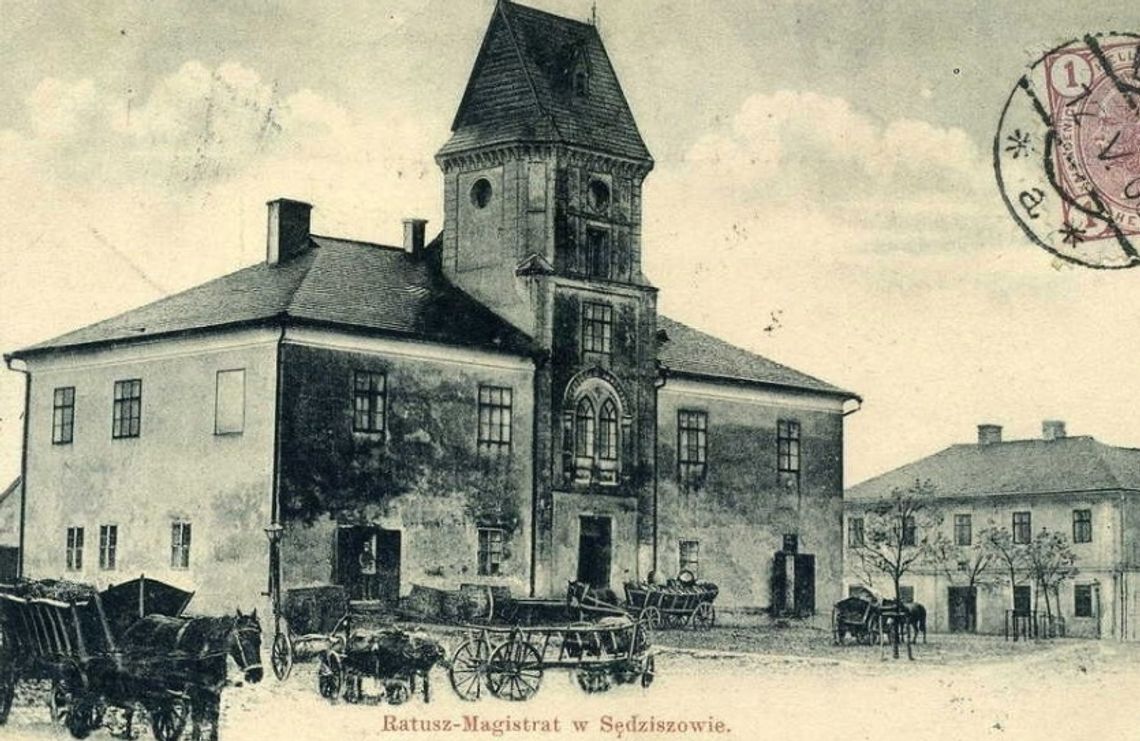
קהילת שענדישוב
A complete Jewish town—not a footnote before the cemetery.
In 1890, 1,443 of 2,850 residents were Jewish; in 1910, 1,425 of 2,651. Behind the figures stood a crowded world of batei midrash and communal offices, learning and charity, householders and craftsmen, commerce, guests and families tied to the surrounding villages.
The historic center begins with that life. A street, building, person or family can open into maps, documents, photographs, civil records, memories and the Shendishover generations.
1849 cadastral map1890 1,443 Jewish residents1910 1,425 Jewish residents
 Original sources keep person, date and place together.
רבנות וחצר הקודש
The court lived inside the town—and drew people to it.
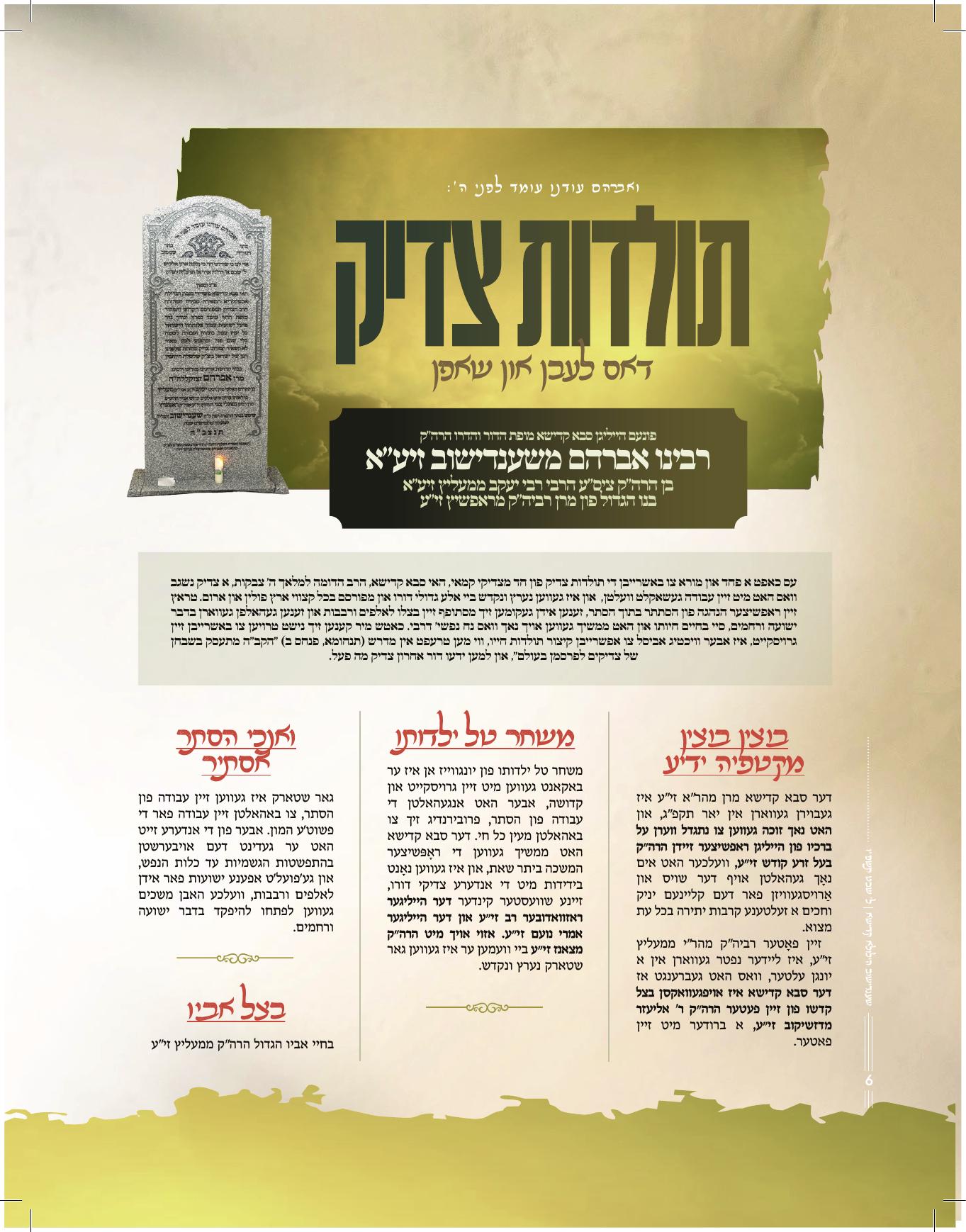
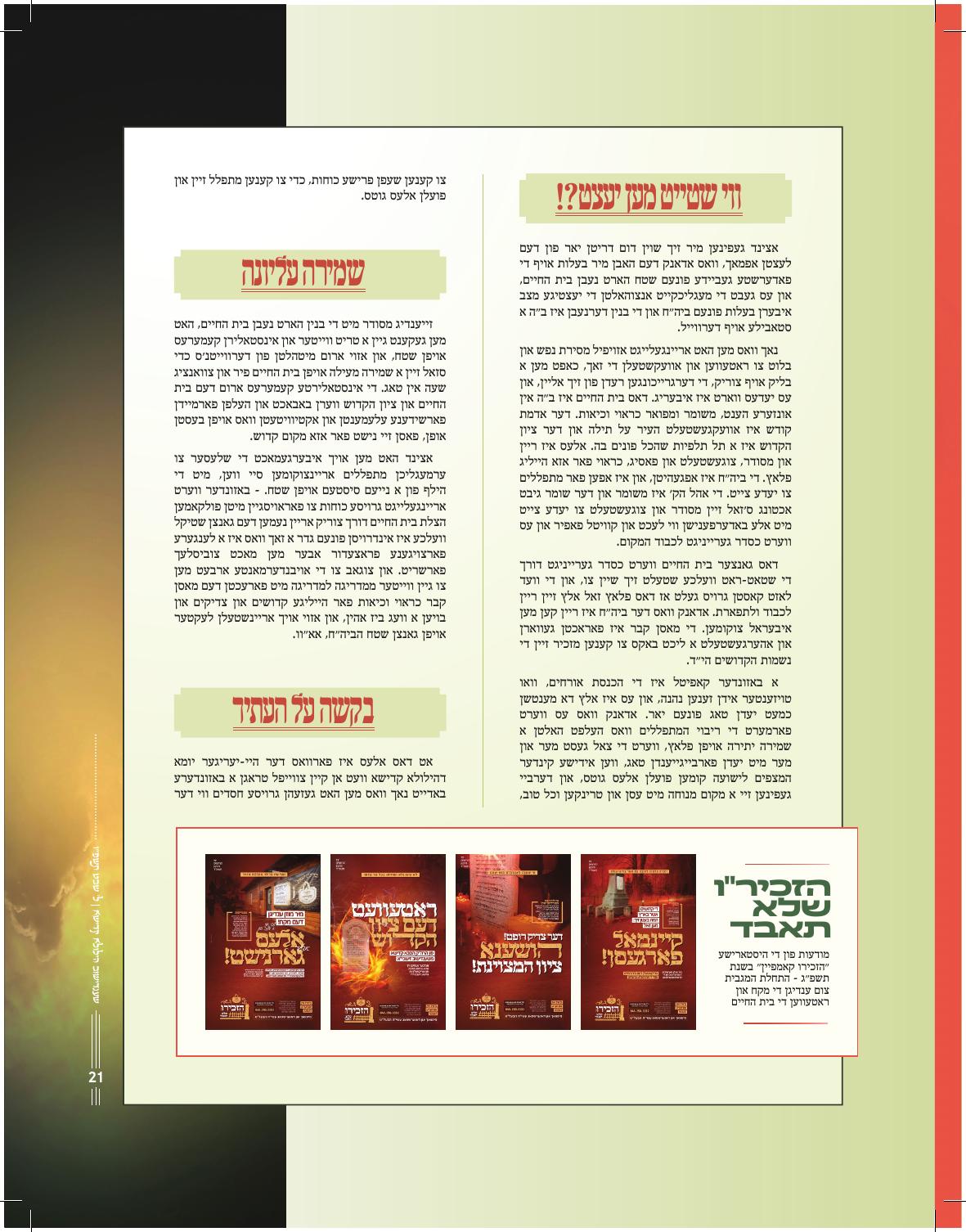
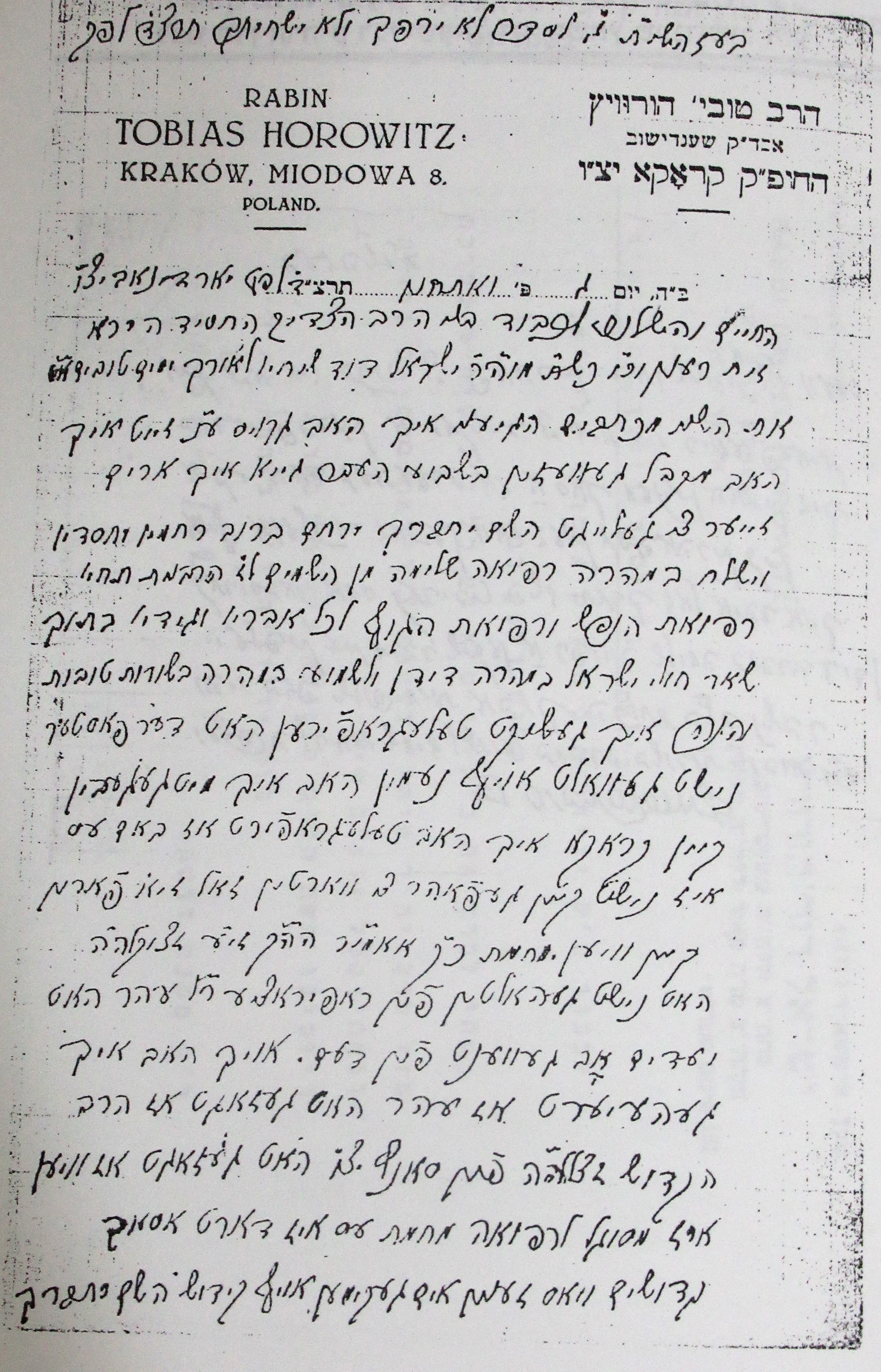
Rabbi Avraham Horowitz made Shendishov a distinct chassidic center. Rabbi Tuvia continued the Shendishover הנהגה. Letters, seals and rebuilding sources illuminate Rabbi Asher Lemel’s later responsibilities. Each has his own full center; here their lives return to the streets, people and institutions of Shendishov.
פאר קינדער און אייניקלעך פון שטאט
Begin with a name. Recover a place, a family and a world.
The descendants’ gateway will connect surnames and variants with civil records, old addresses and parcels, the 1849 map, cemetery evidence, victim lists, photographs, testimonies, landsmanshaft records and family trees. A 1935 town film and family-held photographs are among the most important materials still to secure, identify and publish with permission.
Family name→Record or photograph→House, grave or institution→Connected people
חורבן וזכרון
Names before numbers.
The destroyed community, the killings of 1942 and the mass grave must be told through people, families and sources. Published estimates conflict—partly because different records count different events and groups. The site will not flatten 300, 400, nearly 500 and 680 into one false certainty.
Open the documented destruction chapter →בית החיים · אהל · קבר אחים
One sacred landscape, four records.
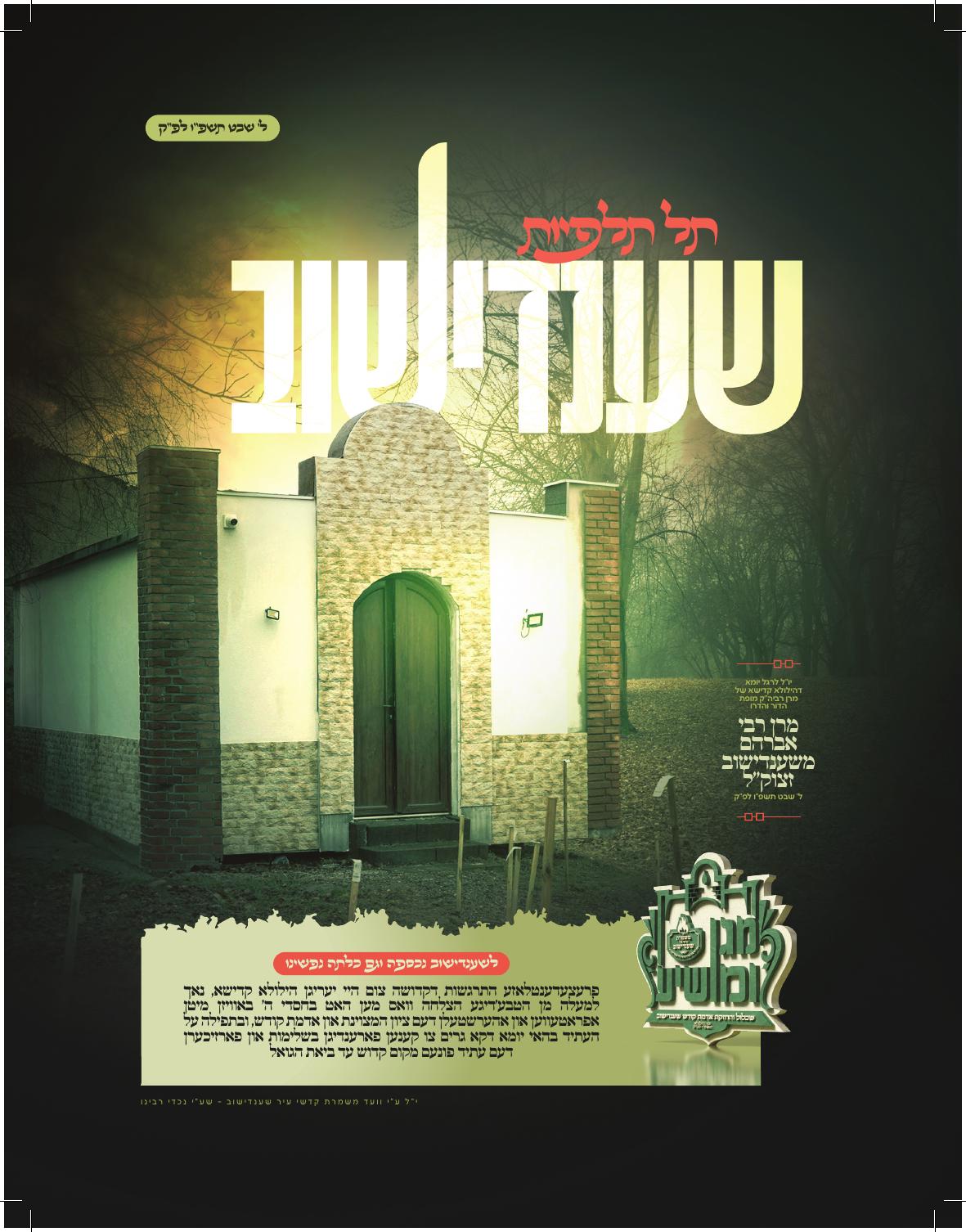
The ohel
Its earlier history, rebuilding, inscriptions, photographs and the tefillos of visitors.
The cemetery
Boundaries, surviving evidence, identified kevarim, maintenance and a future grave index.
The mass grave
The victims, memorial, preservation and a source-by-source record of disputed totals.
The halachic file
Historic evidence, expert inspection and rabbinic questions remain carefully access-controlled.
א הויפט־מוסד אינעם שטאט־צענטער
ועד משמרת קדשי עיר שענדישוב
The Vaad carries the living responsibility for the sacred ground: securing and restoring the place, caring for visitors, and keeping Shendishov from returning to neglect.
Secure the place
Cemetery care, fencing, boundaries, maintenance and the continuing legal and practical work behind preservation.
Restore with dignity
The renewed ohel and tziyun, documented through original publications and before-and-after material.
Receive the visitors
A building near the cemetery, year-round care described by the Vaad, and expanded food, prayer and lodging arrangements for the hillula.
Make the work visible
Dated reports, finished work, current needs and approved ways to participate—without exposing security or private negotiations.
שיבה לשענדישוב
The return is part of the town’s continuing history.
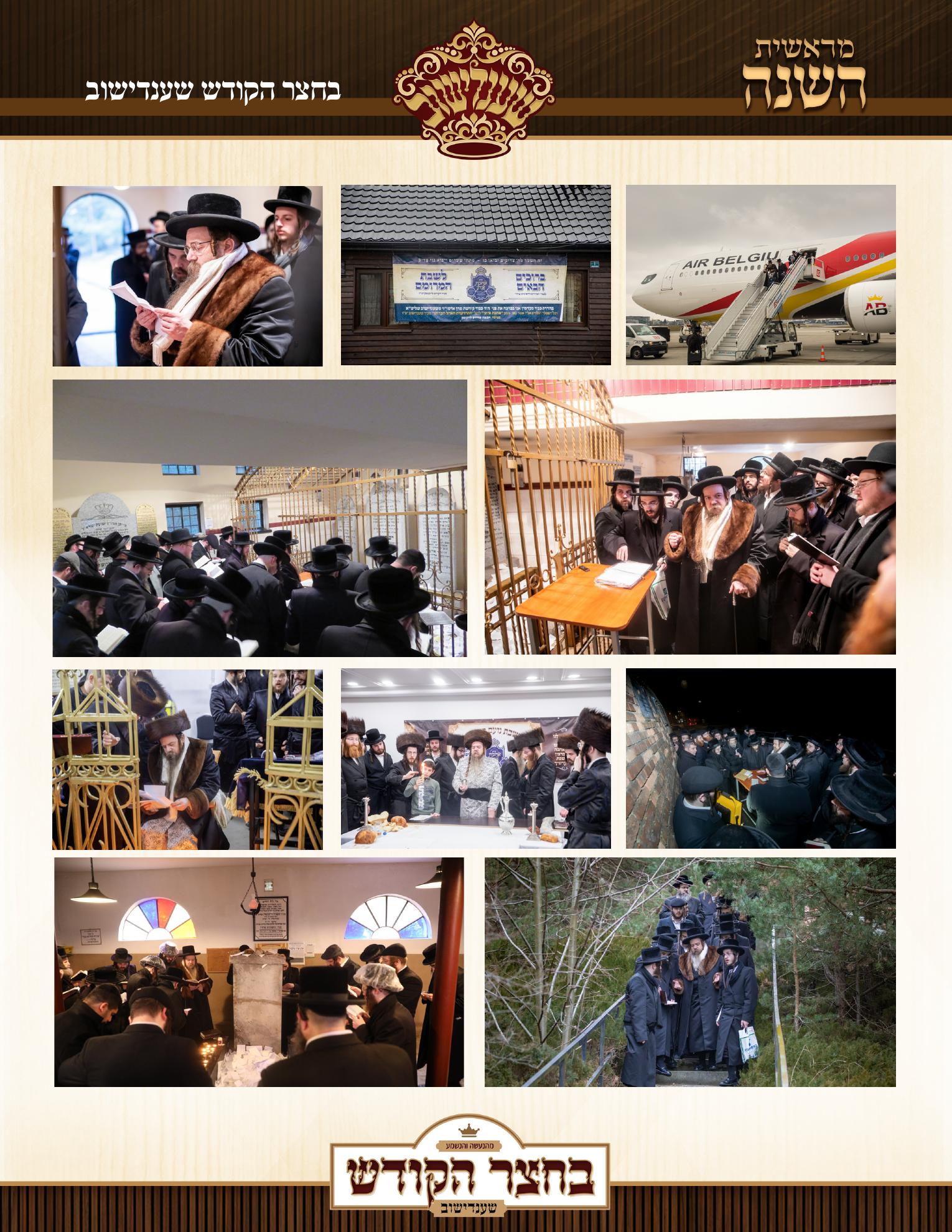
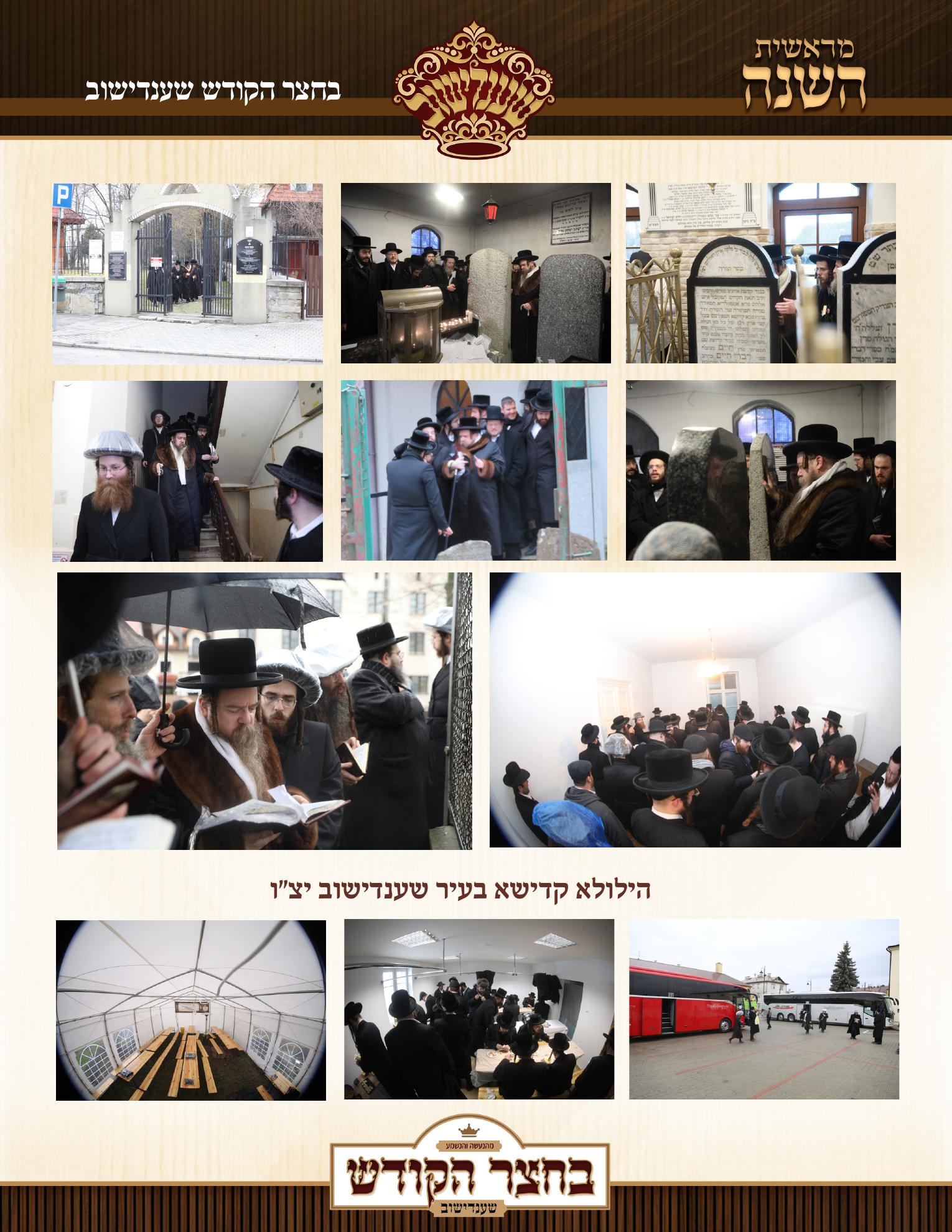
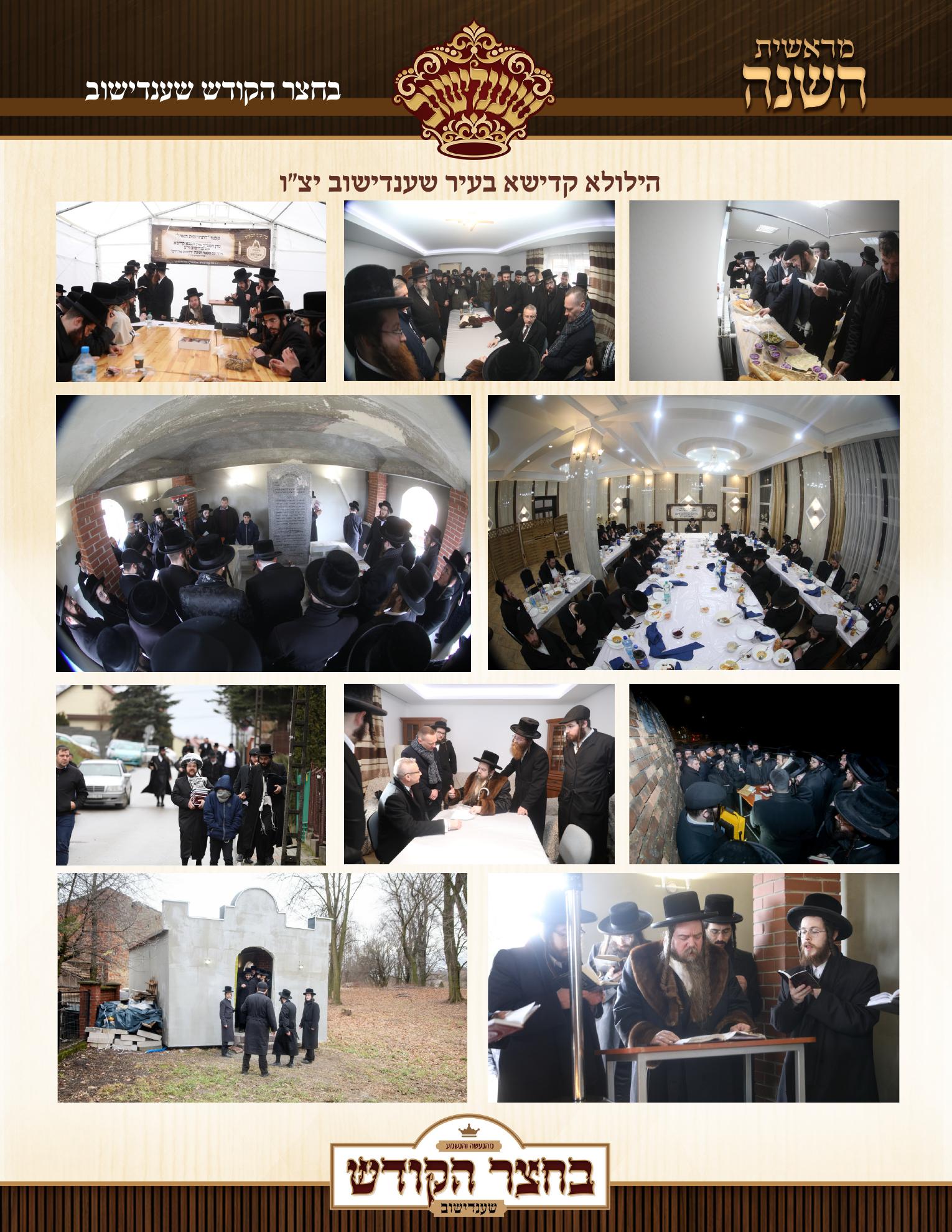
Travel with the Rebbe, the annual hillula, tefillah at the ohel, communal meals and the care of visitors are not detached event galleries. Each journey joins the present court to the old town, the קדושים and the work of preservation.
Open the illustrated hillula account →נסע ונלך
Plan a respectful visit.
Operational details stay separate from history so they can be checked and updated without rewriting the record.
Verified location
Jewish cemetery · Sędziszów Małopolski
Entrance near the intersection of Kościuszki and Szkarpowa streets.
50.0679, 21.69919Open directions ↗Gate access and present conditions should be confirmed before arrival.
Tefillos, names, group arrangements, conduct and weather/access notes.
Use only dated, confirmed information for food, minyanim, mikveh and the הכנסת אורחים.
A short, dignified list with address, distance, parking and group suitability—not a general hotel feed.
חדר המחקר
Maps, names, photographs and records return to their place.
External sources are evidence and research leads. Family-controlled sources govern internal names and genealogy; conflicts remain visible until resolved.
דער שטאט־צענטער איז געבויט צו וואקסן.