The sacred ground
Cemetery boundaries, fencing, cleaning, the mass grave, identified kevarim and long-term protection.
ועד משמרת קדשי עיר שענדישוב
The Vaad is the living institutional address for the sacred places of Shendishov—uniting descendants, rabbinic backing, preservation work, hospitality and the continuing care of the site.
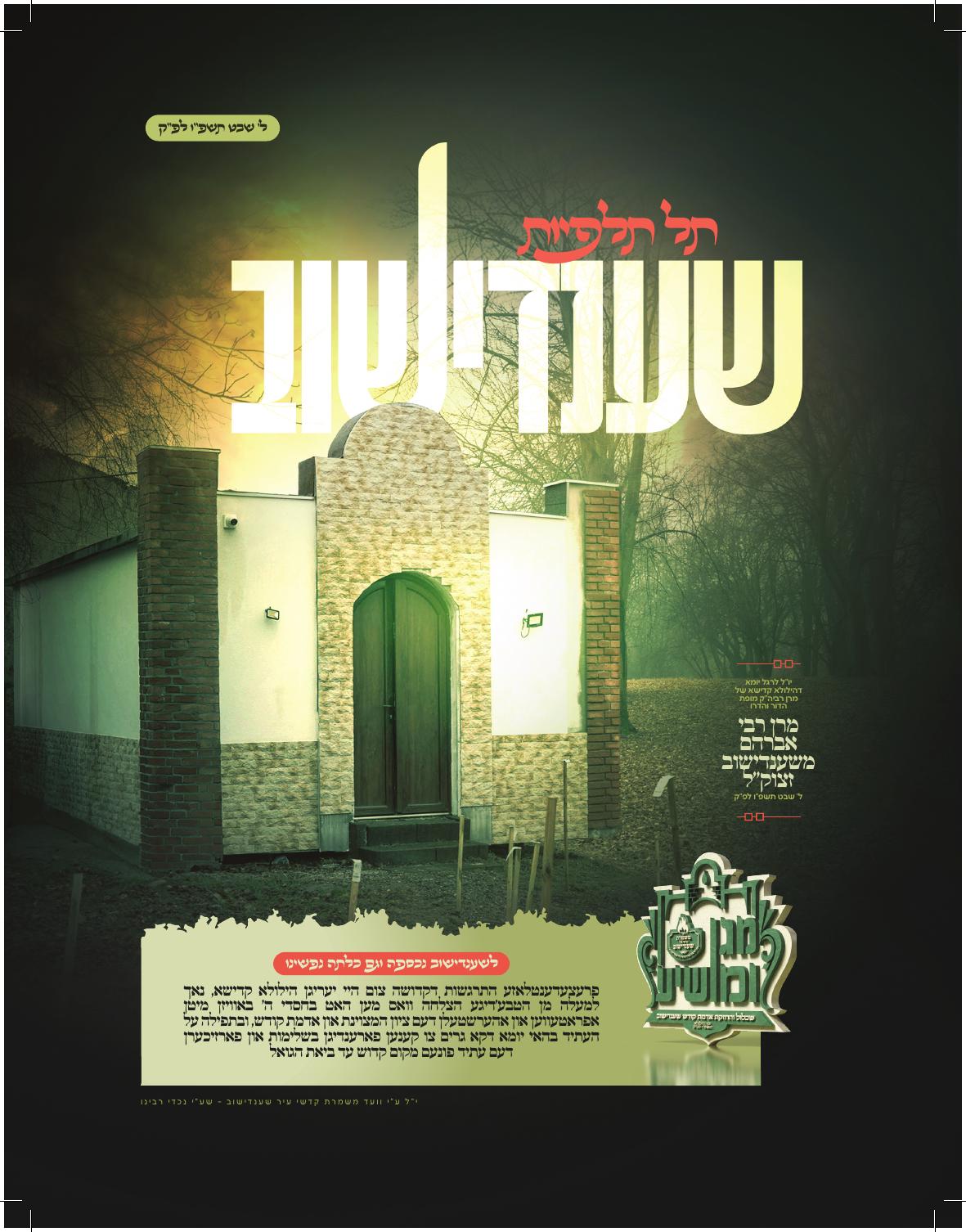
די עבודת הקודש
Cemetery boundaries, fencing, cleaning, the mass grave, identified kevarim and long-term protection.
Restoration on the historic site, inscriptions, photographs, repairs and dignified access for tefillah.
Hospitality near the cemetery and expanded food, prayer, lodging and group arrangements around the hillula.
Local relationships, practical supervision, dated reports, maintenance and work that remains.
פון סכנה צו שמירה
The source record documents periods of neglect, damaged boundaries, difficult access and danger to the sacred ground. The תשפ״ג campaign began an intensive phase of rescue; later publications document renewed control, restoration of the ohel, repair of the cemetery, protection of the mass grave and a functioning hospitality base.
Every public claim here must lead to dated evidence: a publication, photograph, contract-safe summary, rabbinic letter or completed-work report. Legal negotiations, security arrangements and sensitive locations remain protected.
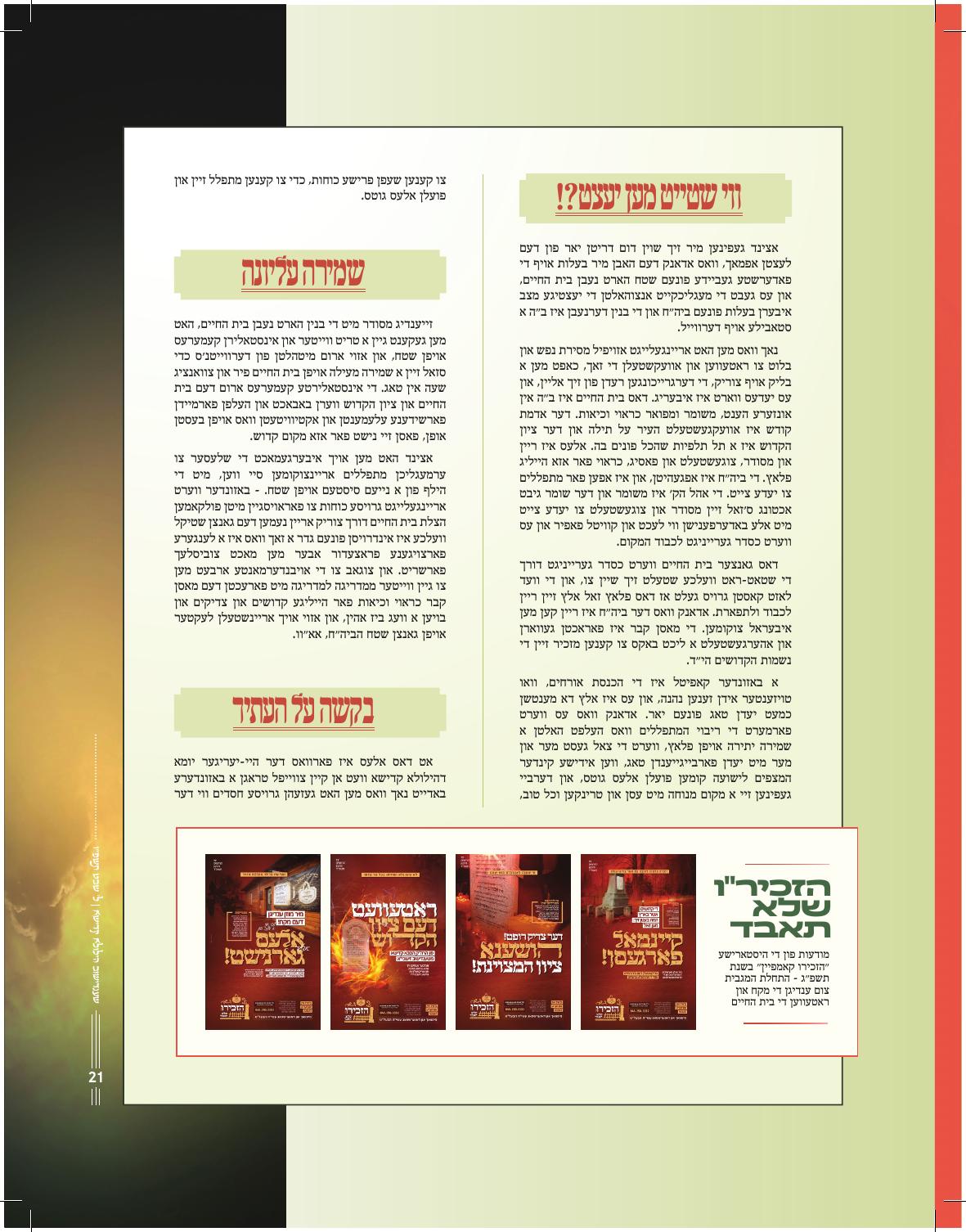
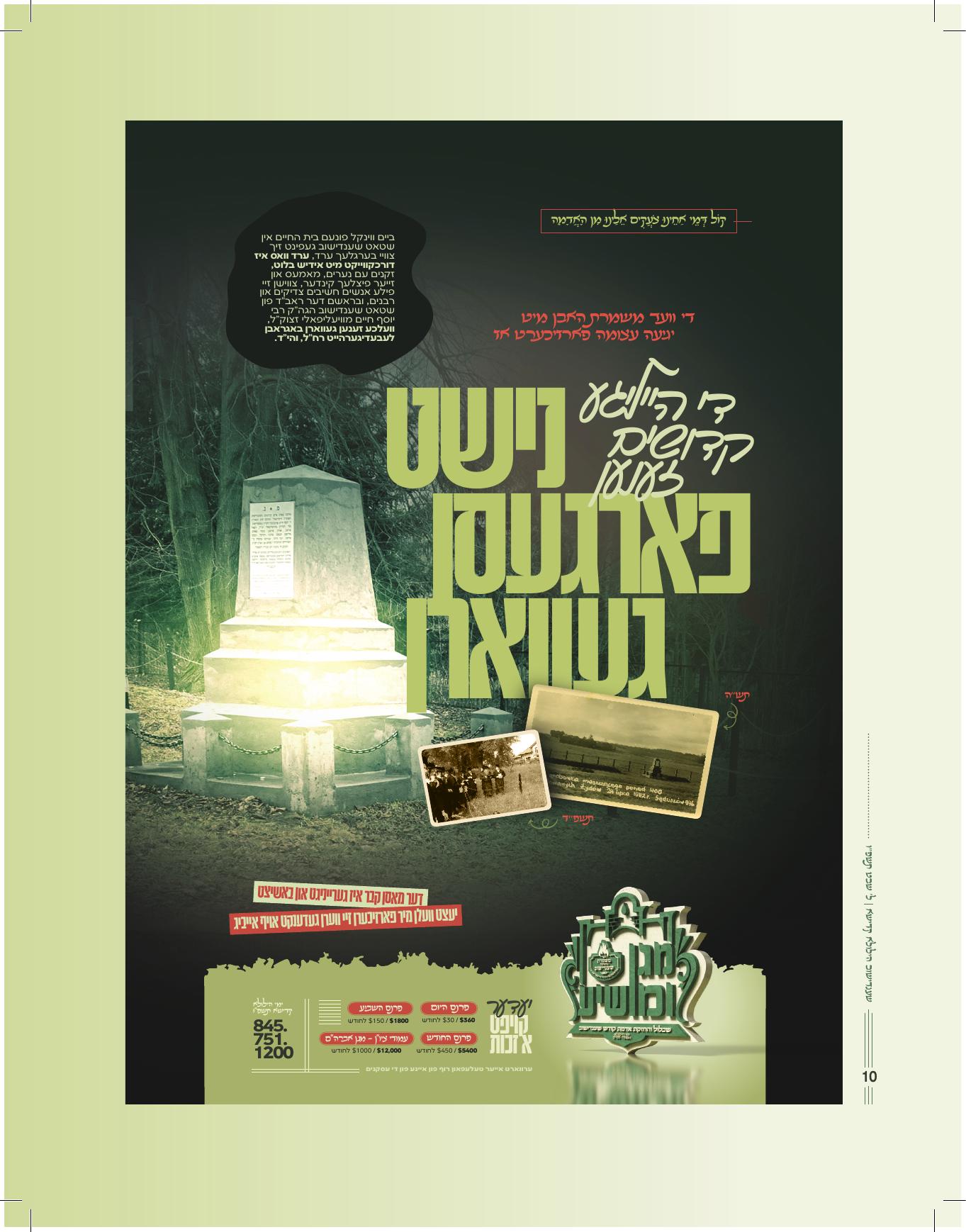
די געשיכטע פונעם אוהל
The finished structure is only the final visible layer. This chapter will preserve the full path through photographs, documents, memories and the Vaad’s working record—without publishing sensitive operational material.
Old photographs, descriptions, inscriptions, site memories and every reliable clue to the earlier ohel and its surroundings.
The physical state, access problems, boundary concerns and the reason intervention became urgent.
Plans, halachic guidance, construction stages, recovered details and dated before-and-after evidence.
Maintenance, tefillah, the hillula, visitor access and the responsibility that begins after construction ends.
א מקום וואס לעבט
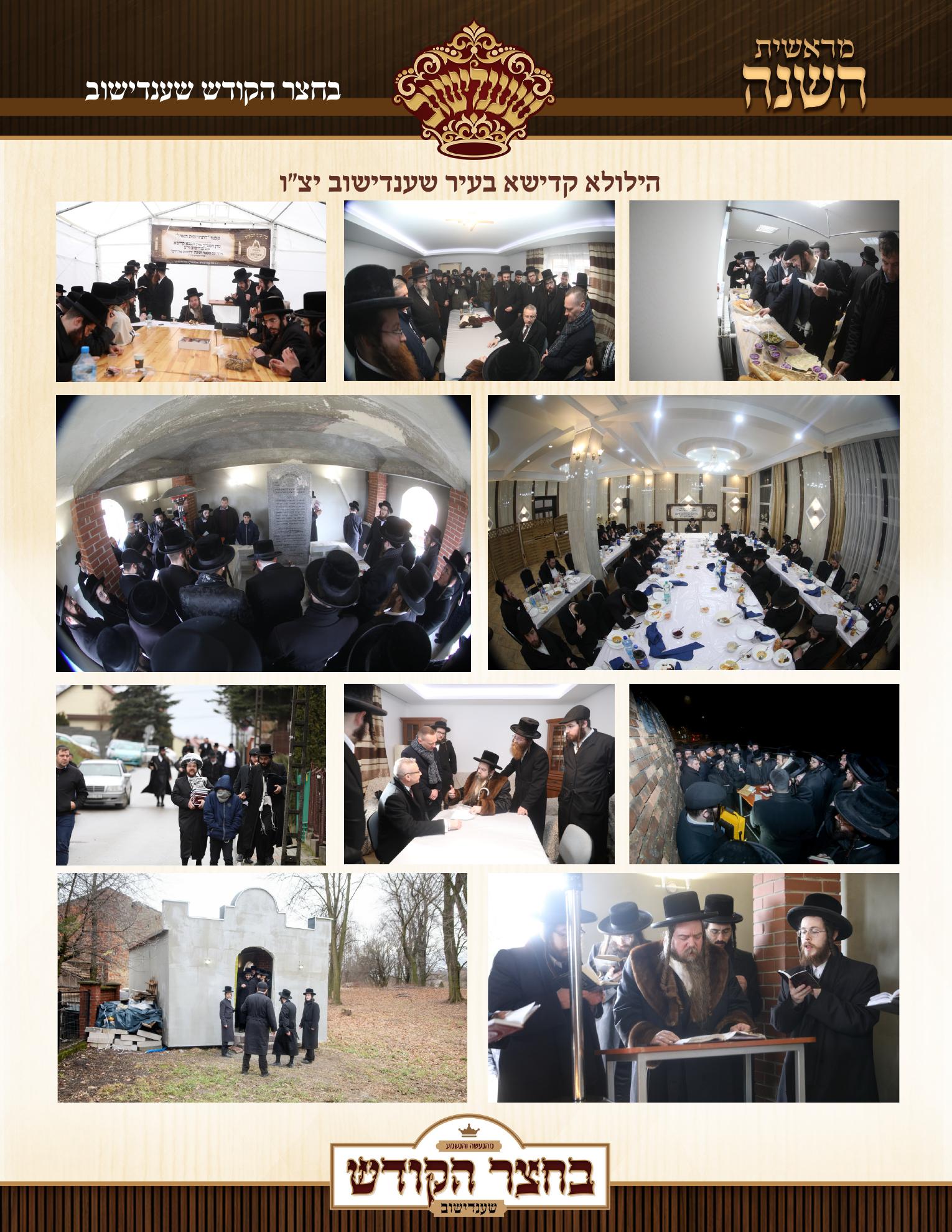
The rebuilding reaches its purpose when the Rebbe, families, descendants and visitors return for tefillah. Journeys, the hillula, groups inside the ohel, prayer in rain and cold, meals and hospitality turn preservation into a continuing relationship with the place.
These are not decorative event photographs. Each image should carry its date, occasion, people where appropriate, photographer or publication source, and the part of the larger journey it records.
Open the illustrated return and hillula chapter →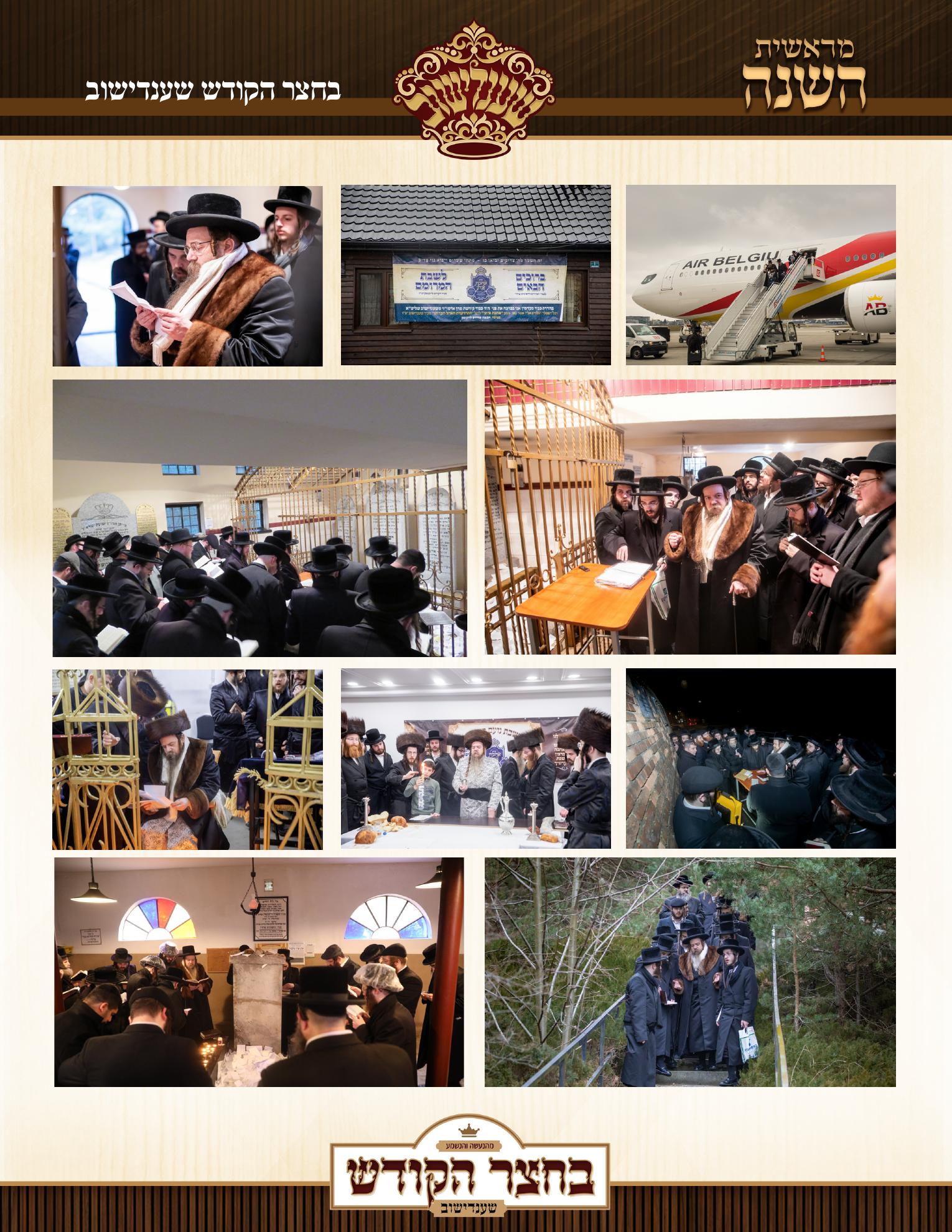
הנהגה ושותפות
Public campaign material identifies Rabbi Yisroel Horowitz as chairman. The Vaad operates from within the Shendishov community, with rabbanim, Rebbes who descend from the סבא קדישא, board members, descendants, visitors and supporters taking different roles.
The public center will show only confirmed names and approved responsibilities. A complete internal record can preserve the wider board, legal and municipal contacts, donors, descendants and project history without exposing private information.
דין וחשבון
Ohel, fencing, cleaning, mass-grave protection, hospitality building and visitor facilities—each with dates and images.
Grounds, access, repairs, local supervision, visitor needs and the annual hillula operation.
Historic maps, expert inspections, testimonies and rabbinic guidance, with restricted layers where required.
Approved appeals, project-specific giving, names for tefillah and ways to contribute information or practical help.
Continue through the town center